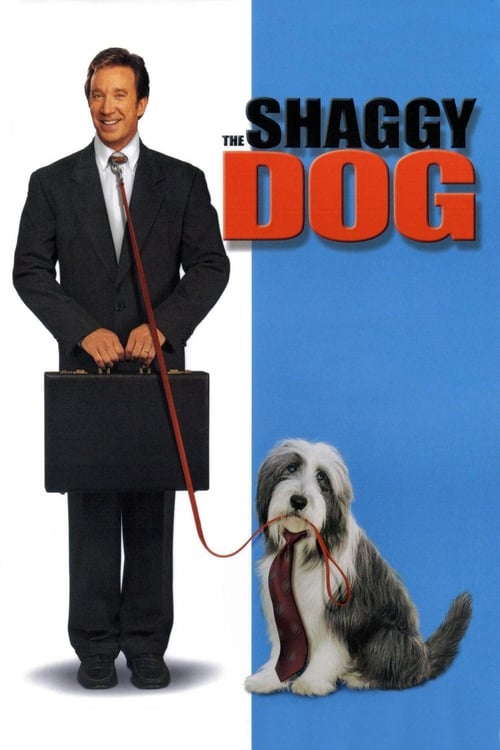
The Shaggy Dog
The tale of a workaholic dad-turned-dog who finds that being man's best friend shows him the most important job - being a great dad.
Working with a moderate budget of $50.0M, the film achieved a respectable showing with $87.1M in global revenue (+74% profit margin).
2 wins & 6 nominations


Plot Structure
Story beats plotted across runtime


Narrative Arc
Emotional journey through the story's key moments
Story Circle
Blueprint 15-beat structure
Arcplot Score Breakdown
Weighted: Precision (70%) + Arc (15%) + Theme (15%)
The Shaggy Dog (2006) showcases precise plot construction, characteristic of Brian Robbins's storytelling approach. This structural analysis examines how the film's 15-point plot structure maps to proven narrative frameworks across 1 hour and 38 minutes. With an Arcplot score of 7.6, the film showcases strong structural fundamentals.
Structural Analysis
The Status Quo at 1 minutes (1% through the runtime) establishes Dave Douglas is a workaholic deputy district attorney who prioritizes his career over his family. Opening shows him distracted during his daughter's talent show, taking work calls and missing her performance.. Significantly, this early placement immediately immerses viewers in the story world.
The inciting incident occurs at 11 minutes when Carly brings home a stray dog named Shaggy from the animal testing lab she broke into. Dave reluctantly agrees to keep the dog temporarily despite his allergies, setting up the catalyst for transformation. The dog is a result of Dr. Kozak's genetic experiments.. At 12% through the film, this Disruption aligns precisely with traditional story structure. This beat shifts the emotional landscape, launching the protagonist into the central conflict.
The First Threshold at 24 minutes marks the transition into Act II, occurring at 24% of the runtime. This reveals the protagonist's commitment to Dave is bitten by Shaggy the dog and begins his transformation. He starts experiencing strange sensations and dog-like behaviors. This irreversible event forces him into the "new world" where he will literally see life from a different perspective., moving from reaction to action.
At 48 minutes, the Midpoint arrives at 49% of the runtime—precisely centered, creating perfect narrative symmetry. Notably, this crucial beat False victory: Dave as a dog successfully breaks into Kozak's lab and discovers evidence of illegal animal experimentation. He seems to be winning both worlds - getting evidence for his case AND spending time with family. But the stakes raise: Kozak realizes someone is investigating him., fundamentally raising what's at risk. The emotional intensity shifts, dividing the narrative into clear before-and-after phases.
The Collapse moment at 72 minutes (74% through) represents the emotional nadir. Here, Dave is captured by Dr. Kozak while in dog form and taken to the lab to be experimented on (potential death). His family doesn't know where he is. His career case is dismissed. He faces literal death and has lost everything - the "whiff of death" moment where he might remain a dog forever or be killed., demonstrates the protagonist at their lowest point. This beat's placement in the final quarter sets up the climactic reversal.
The Second Threshold at 77 minutes initiates the final act resolution at 79% of the runtime. Dave's family (led by Carly) realizes the dog is their father and comes to rescue him. Dave accepts his dog nature and uses his enhanced abilities purposefully. The synthesis: combining his prosecutor skills with his new dog perspective and family support to stop Kozak., demonstrating the transformation achieved throughout the journey.
Emotional Journey
The Shaggy Dog's emotional architecture traces a deliberate progression across 15 carefully calibrated beats.
Narrative Framework
This structural analysis employs proven narrative structure principles that track dramatic progression. By mapping The Shaggy Dog against these established plot points, we can identify how Brian Robbins utilizes or subverts traditional narrative conventions. The plot point approach reveals not only adherence to structural principles but also creative choices that distinguish The Shaggy Dog within the comedy genre.
Brian Robbins's Structural Approach
Among the 8 Brian Robbins films analyzed on Arcplot, the average structural score is 7.2, reflecting strong command of classical structure. The Shaggy Dog represents one of the director's most structurally precise works. For comparative analysis, explore the complete Brian Robbins filmography.
Comparative Analysis
Additional comedy films include The Bad Guys, Ella Enchanted and The Evening Star. For more Brian Robbins analyses, see Meet Dave, Hardball and A Thousand Words.
Plot Points by Act
Act I
SetupStatus Quo
Dave Douglas is a workaholic deputy district attorney who prioritizes his career over his family. Opening shows him distracted during his daughter's talent show, taking work calls and missing her performance.
Theme
Dave's daughter Carly tells him "You're never really here, Dad," establishing the film's core theme about being emotionally present versus physically present. His wife Rebecca echoes this concern about his priorities.
Worldbuilding
Setup of Dave's world: his obsession with prosecuting pharmaceutical company Grant & Strictland, his neglect of family (missing son Josh's football game, ignoring daughter's interests), his dog allergy and refusal to get a pet. Establishes his type-A controlling personality.
Disruption
Carly brings home a stray dog named Shaggy from the animal testing lab she broke into. Dave reluctantly agrees to keep the dog temporarily despite his allergies, setting up the catalyst for transformation. The dog is a result of Dr. Kozak's genetic experiments.
Resistance
Dave deals with the dog in the house while pursuing his case against Grant & Strictland. He discovers Carly's animal rights activism. The dog exhibits strange behavior. Dave tries to maintain his normal routine while chaos builds at home.
Act II
ConfrontationFirst Threshold
Dave is bitten by Shaggy the dog and begins his transformation. He starts experiencing strange sensations and dog-like behaviors. This irreversible event forces him into the "new world" where he will literally see life from a different perspective.
Mirror World
Dave's relationship with his family becomes the B-story mirror. As a dog, he experiences what it's like to be ignored and marginalized (how his family felt). The dog Shaggy becomes his literal mirror, showing him what unconditional love and presence look like.
Premise
The "fun and games" of Dave randomly transforming into a dog. Comedy sequences of him struggling with dog instincts during important meetings, enhanced senses, trying to hide his condition. He investigates Dr. Kozak's lab as a dog and uncovers the animal testing conspiracy.
Midpoint
False victory: Dave as a dog successfully breaks into Kozak's lab and discovers evidence of illegal animal experimentation. He seems to be winning both worlds - getting evidence for his case AND spending time with family. But the stakes raise: Kozak realizes someone is investigating him.
Opposition
Dave loses control over his transformations. His dog behavior intensifies at the worst moments (courtroom, important meetings). Kozak pursues him. His double life becomes unsustainable. Family relationships strain as his erratic behavior (from their perspective) worsens. His career case falls apart.
Collapse
Dave is captured by Dr. Kozak while in dog form and taken to the lab to be experimented on (potential death). His family doesn't know where he is. His career case is dismissed. He faces literal death and has lost everything - the "whiff of death" moment where he might remain a dog forever or be killed.
Crisis
Dave in his darkest moment realizes what truly matters. Trapped in a cage facing experimentation, he reflects on how he's wasted his time on career advancement while missing his children's lives. His family simultaneously realizes he's missing and pieces together the truth.
Act III
ResolutionSecond Threshold
Dave's family (led by Carly) realizes the dog is their father and comes to rescue him. Dave accepts his dog nature and uses his enhanced abilities purposefully. The synthesis: combining his prosecutor skills with his new dog perspective and family support to stop Kozak.
Synthesis
The finale: Dave and family work together to expose Kozak's crimes and save the test animals. Chase and confrontation at the lab. Dave uses both human intelligence and dog abilities. Family bonds strengthen through cooperation. Kozak is defeated and arrested. Dave is cured of his transformation.
Transformation
Final image mirrors the opening: another school event, but this time Dave is fully present, phone turned off, engaged with his daughter. The family has a dog (normal dog), showing Dave has overcome his allergy and control issues. He's become the present father his family needed.