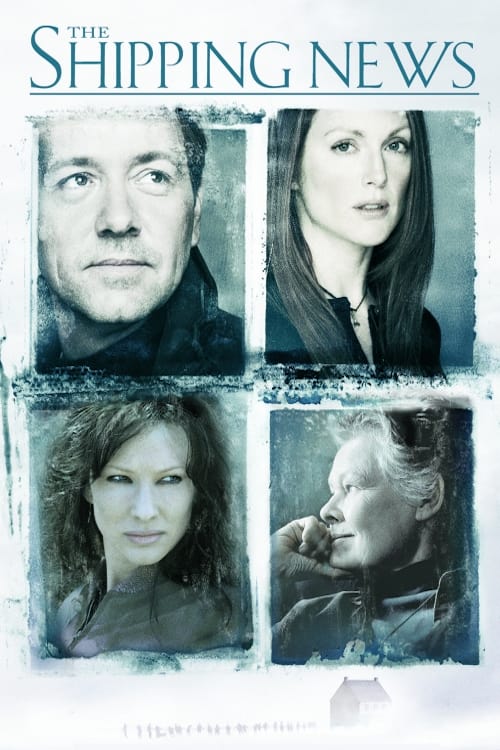
The Shipping News
An emotionally-beaten man with his young daughter moves to his ancestral home in Newfoundland to reclaim his life.
The film underperformed commercially against its mid-range budget of $38.0M, earning $24.7M globally (-35% loss). While initial box office returns were modest, the film has gained appreciation for its distinctive approach within the drama genre.
Nominated for 2 BAFTA 2 wins & 13 nominations


Plot Structure
Story beats plotted across runtime


Narrative Arc
Emotional journey through the story's key moments
Story Circle
Blueprint 15-beat structure
Arcplot Score Breakdown
Weighted: Precision (70%) + Arc (15%) + Theme (15%)
The Shipping News (2001) reveals carefully calibrated narrative design, characteristic of Lasse Hallström's storytelling approach. This structural analysis examines how the film's 15-point plot structure maps to proven narrative frameworks across 1 hour and 51 minutes. With an Arcplot score of 6.3, the film takes an unconventional approach to traditional narrative frameworks.
Structural Analysis
The Status Quo at 2 minutes (1% through the runtime) establishes Quoyle is introduced as a perpetually defeated man in upstate New York, bullied since childhood, working a dead-end job, trapped in a loveless marriage with the unfaithful Petal. His life is defined by failure and passive acceptance.. Of particular interest, this early placement immediately immerses viewers in the story world.
The inciting incident occurs at 14 minutes when Petal dies in a car accident after abandoning Quoyle and selling their daughter. Quoyle is suddenly alone with his children, his already broken life now shattered completely. This forces him to confront his inability to continue as he has been.. At 12% through the film, this Disruption aligns precisely with traditional story structure. This beat shifts the emotional landscape, launching the protagonist into the central conflict.
The First Threshold at 27 minutes marks the transition into Act II, occurring at 25% of the runtime. This illustrates the protagonist's commitment to Quoyle makes the active choice to leave New York and move to Newfoundland with his daughters and aunt. He crosses into the new world of his family's homeland, committing to a complete life change despite his fears., moving from reaction to action.
At 56 minutes, the Midpoint arrives at 50% of the runtime—precisely centered, creating perfect narrative symmetry. Significantly, this crucial beat Quoyle's relationship with Wavey deepens and he begins to gain confidence in his work and life. He experiences a false victory—feeling that he's successfully escaped his past and built something new. However, the stakes are raised as his family's dark history begins to surface., fundamentally raising what's at risk. The emotional intensity shifts, dividing the narrative into clear before-and-after phases.
The Collapse moment at 82 minutes (74% through) represents the emotional nadir. Here, Quoyle confronts the full horror of his family legacy—revelations about abuse and violence in the ancestral home. The house itself, which he's been trying to restore, represents the rotting foundation of his identity. His sense of self collapses; he cannot escape what he comes from., reveals the protagonist at their lowest point. This beat's placement in the final quarter sets up the climactic reversal.
The Second Threshold at 89 minutes initiates the final act resolution at 80% of the runtime. Quoyle realizes that he is not bound by his family's past—he can break the knot. With Agnis's wisdom and Wavey's love, he sees that he can choose his own identity. He decides to literally sever ties with the ancestral house and fully commit to his new life and family., demonstrating the transformation achieved throughout the journey.
Emotional Journey
The Shipping News's emotional architecture traces a deliberate progression across 15 carefully calibrated beats.
Narrative Framework
This structural analysis employs structural analysis methodology used to understand storytelling architecture. By mapping The Shipping News against these established plot points, we can identify how Lasse Hallström utilizes or subverts traditional narrative conventions. The plot point approach reveals not only adherence to structural principles but also creative choices that distinguish The Shipping News within the drama genre.
Lasse Hallström's Structural Approach
Among the 12 Lasse Hallström films analyzed on Arcplot, the average structural score is 7.0, demonstrating varied approaches to story architecture. The Shipping News takes a more unconventional approach compared to the director's typical style. For comparative analysis, explore the complete Lasse Hallström filmography.
Comparative Analysis
Additional drama films include After Thomas, South Pacific and Dirty Dancing: Havana Nights. For more Lasse Hallström analyses, see Casanova, A Dog's Purpose and Something to Talk About.
Plot Points by Act
Act I
SetupStatus Quo
Quoyle is introduced as a perpetually defeated man in upstate New York, bullied since childhood, working a dead-end job, trapped in a loveless marriage with the unfaithful Petal. His life is defined by failure and passive acceptance.
Theme
Quoyle's aunt Agnis tells him about their family's knot-tying history and says, "We're all tied by blood to someone." This establishes the theme of family bonds, heritage, and finding where you belong.
Worldbuilding
Quoyle's miserable existence is established: his toxic marriage to Petal, his two young daughters, his menial job, his passivity. Petal is shown cheating and treating him with contempt. The world is one where Quoyle has learned to expect nothing.
Disruption
Petal dies in a car accident after abandoning Quoyle and selling their daughter. Quoyle is suddenly alone with his children, his already broken life now shattered completely. This forces him to confront his inability to continue as he has been.
Resistance
Aunt Agnis appears and proposes that Quoyle return with her to their ancestral home in Newfoundland. Quoyle resists, doubts himself, and debates whether he can start over. Agnis gently pushes him toward this new life, offering hope and guidance.
Act II
ConfrontationFirst Threshold
Quoyle makes the active choice to leave New York and move to Newfoundland with his daughters and aunt. He crosses into the new world of his family's homeland, committing to a complete life change despite his fears.
Mirror World
Quoyle meets Wavey Prowse, a widow with her own pain and loss, at a local gathering. She represents the possibility of love built on mutual healing and understanding, contrasting with his destructive marriage to Petal. She embodies the theme of finding home through connection.
Premise
Quoyle explores his new life in Newfoundland: taking a job at the local newspaper covering car accidents and shipping news, renovating the dilapidated family house, connecting with colorful locals, bonding with his daughters. He begins to find competence and belonging, though haunted by his past.
Midpoint
Quoyle's relationship with Wavey deepens and he begins to gain confidence in his work and life. He experiences a false victory—feeling that he's successfully escaped his past and built something new. However, the stakes are raised as his family's dark history begins to surface.
Opposition
The opposition intensifies from multiple angles: Quoyle learns disturbing truths about his family's violent past in Newfoundland; his old insecurities resurface; external forces threaten his newfound stability. The weight of inherited trauma and his own worthlessness creeps back in, threatening to undo his progress.
Collapse
Quoyle confronts the full horror of his family legacy—revelations about abuse and violence in the ancestral home. The house itself, which he's been trying to restore, represents the rotting foundation of his identity. His sense of self collapses; he cannot escape what he comes from.
Crisis
Quoyle wrestles with despair and the question of whether he can ever be free from his damaged origins. He sits in darkness with his demons, processing the grief and shame. This is his dark night—deciding whether to give in to his legacy or choose a different path.
Act III
ResolutionSecond Threshold
Quoyle realizes that he is not bound by his family's past—he can break the knot. With Agnis's wisdom and Wavey's love, he sees that he can choose his own identity. He decides to literally sever ties with the ancestral house and fully commit to his new life and family.
Synthesis
Quoyle takes decisive action: he destroys or abandons the cursed family house, fully embraces his relationship with Wavey, commits to his daughters and community, and finds his voice as a writer. He synthesizes his newfound confidence with acceptance of his scars, becoming whole.
Transformation
The final image shows Quoyle confident, connected, and at peace in Newfoundland with Wavey and his daughters. He has found his home—not through geography or bloodline, but through choice and love. The defeated man from the opening is transformed into someone who belongs.