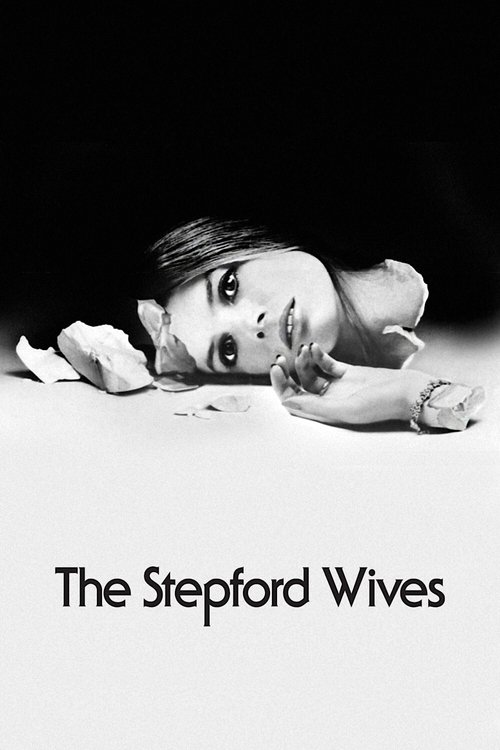
The Stepford Wives
Joanna Eberhart comes to the town of Stepford, Connecticut with her family, but soon discovers there lies a sinister truth in the all too perfect behavior of the female residents.
Despite its shoestring budget of $500K, The Stepford Wives became a massive hit, earning $8.7M worldwide—a remarkable 1640% return. The film's distinctive approach connected with viewers, illustrating how strong storytelling can transcend budget limitations.
1 win & 1 nomination
Plot Structure
Story beats plotted across runtime


Narrative Arc
Emotional journey through the story's key moments
Story Circle
Blueprint 15-beat structure
Arcplot Score Breakdown
Weighted: Precision (70%) + Arc (15%) + Theme (15%)
The Stepford Wives (1975) demonstrates meticulously timed dramatic framework, characteristic of Bryan Forbes's storytelling approach. This structural analysis examines how the film's 15-point plot structure maps to proven narrative frameworks across 1 hour and 57 minutes. With an Arcplot score of 6.6, the film balances conventional beats with creative variation.
Characters
Cast & narrative archetypes

Joanna Eberhart
Bobbie Markowe
Walter Eberhart
Dale Coba
Charmaine Wimperis
Carol Van Sant
Ted Van Sant
Dave Markowe
Main Cast & Characters
Joanna Eberhart
Played by Katharine Ross
A talented photographer and independent-minded woman who moves to Stepford with her family, growing increasingly disturbed by the submissive behavior of the town's wives.
Bobbie Markowe
Played by Paula Prentiss
Joanna's outspoken best friend and fellow newcomer who shares her suspicions about the strange conformity of Stepford's women.
Walter Eberhart
Played by Peter Masterson
Joanna's husband who becomes increasingly involved with the mysterious Men's Association, gradually distancing himself from his wife.
Dale Coba
Played by Patrick O'Neal
A sinister former Disney engineer and leader of the Men's Association who orchestrates the transformation of Stepford's wives.
Charmaine Wimperis
Played by Tina Louise
A tennis-loving newcomer who initially bonds with Joanna and Bobbie before undergoing a disturbing personality change.
Carol Van Sant
Played by Nanette Newman
One of the original Stepford wives whose eerily perfect domestic behavior represents the unsettling ideal that awaits newcomers.
Ted Van Sant
Played by Josef Sommer
Carol's husband and a prominent member of the Men's Association who helps maintain the town's dark secret.
Dave Markowe
Played by John Aprea
Bobbie's husband who, like Walter, becomes drawn into the Men's Association and its sinister agenda.
Structural Analysis
The Status Quo at 1 minutes (1% through the runtime) establishes Joanna Eberhart and her family drive through the picturesque Connecticut countryside to their new home in Stepford, leaving behind their urban New York life. Joanna is a professional photographer, independent and creative.. Structural examination shows that this early placement immediately immerses viewers in the story world.
The inciting incident occurs at 14 minutes when Joanna witnesses Charmaine's disturbing transformation from a vibrant, tennis-playing woman into a robotic housewife overnight, triggering Joanna's first real fear that something is deeply wrong in Stepford.. At 12% through the film, this Disruption aligns precisely with traditional story structure. This beat shifts the emotional landscape, launching the protagonist into the central conflict.
The First Threshold at 29 minutes marks the transition into Act II, occurring at 24% of the runtime. This reveals the protagonist's commitment to Joanna makes the active choice to fully investigate the Men's Association, convinced it holds the answer to what's happening to the women. She commits to uncovering the truth rather than passively accepting Stepford life or simply leaving., moving from reaction to action.
At 57 minutes, the Midpoint arrives at 49% of the runtime—precisely centered, creating perfect narrative symmetry. The analysis reveals that this crucial beat Bobbie suddenly transforms into a docile housewife, just like the others. This false defeat devastates Joanna—her closest ally is now lost. The stakes become intensely personal: Joanna realizes she's next, and she's completely alone., fundamentally raising what's at risk. The emotional intensity shifts, dividing the narrative into clear before-and-after phases.
The Collapse moment at 87 minutes (75% through) represents the emotional nadir. Here, Joanna discovers her own replica—a lifeless android duplicate of herself—in the Men's Association. She realizes the men have been creating robot replacements of their wives. This is her "whiff of death": her authentic self is about to be murdered and replaced., illustrates the protagonist at their lowest point. This beat's placement in the final quarter sets up the climactic reversal.
The Second Threshold at 93 minutes initiates the final act resolution at 79% of the runtime. Joanna is killed and replaced by her android duplicate. Unlike traditional narratives where the protagonist gains new knowledge to triumph, this threshold represents the complete victory of the patriarchal conspiracy—a dark inversion where the antagonist's plan succeeds., demonstrating the transformation achieved throughout the journey.
Emotional Journey
The Stepford Wives's emotional architecture traces a deliberate progression across 15 carefully calibrated beats.
Narrative Framework
This structural analysis employs proven narrative structure principles that track dramatic progression. By mapping The Stepford Wives against these established plot points, we can identify how Bryan Forbes utilizes or subverts traditional narrative conventions. The plot point approach reveals not only adherence to structural principles but also creative choices that distinguish The Stepford Wives within the mystery genre.
Comparative Analysis
Additional mystery films include Lone Star, The Wicker Man and A Soldier's Story.
Plot Points by Act
Act I
SetupStatus Quo
Joanna Eberhart and her family drive through the picturesque Connecticut countryside to their new home in Stepford, leaving behind their urban New York life. Joanna is a professional photographer, independent and creative.
Theme
At a welcome gathering, one of the Stepford wives makes an unsettling comment about how being a wife means putting your husband's needs first, hinting at the film's exploration of gender roles, identity, and the cost of suburban conformity.
Worldbuilding
Joanna explores Stepford and meets the eerily perfect housewives who obsess over cleaning products and serving their husbands. She bonds with two other newcomers, Bobbie and Charmaine, who share her skepticism about the town's strangely docile women. The Men's Association is introduced as a mysterious, exclusive club.
Disruption
Joanna witnesses Charmaine's disturbing transformation from a vibrant, tennis-playing woman into a robotic housewife overnight, triggering Joanna's first real fear that something is deeply wrong in Stepford.
Resistance
Joanna and Bobbie investigate the town, debating whether the wives are being drugged or brainwashed. They discuss leaving Stepford but hesitate. Joanna tries to organize a consciousness-raising group but gets no interest from the perfect wives. The men's increasingly controlling behavior escalates.
Act II
ConfrontationFirst Threshold
Joanna makes the active choice to fully investigate the Men's Association, convinced it holds the answer to what's happening to the women. She commits to uncovering the truth rather than passively accepting Stepford life or simply leaving.
Mirror World
Joanna's friendship with Bobbie deepens as her only authentic relationship in Stepford. Bobbie represents the life Joanna wants to preserve—independent, skeptical, real—making their bond the emotional core that carries the theme of female autonomy versus male control.
Premise
Joanna and Bobbie investigate together, breaking into the Men's Association, researching the town's history, and trying to find evidence. The premise delivers on its promise: a paranoid thriller exploring what's really happening to these women, with mounting dread as each investigation yields disturbing clues.
Midpoint
Bobbie suddenly transforms into a docile housewife, just like the others. This false defeat devastates Joanna—her closest ally is now lost. The stakes become intensely personal: Joanna realizes she's next, and she's completely alone.
Opposition
Joanna desperately tries to escape Stepford with her children, but her husband Walter blocks her at every turn. The men close ranks. Joanna visits the transformed Bobbie hoping to reach her friend, but finds only an empty shell. The paranoia intensifies as Joanna realizes no one will help her.
Collapse
Joanna discovers her own replica—a lifeless android duplicate of herself—in the Men's Association. She realizes the men have been creating robot replacements of their wives. This is her "whiff of death": her authentic self is about to be murdered and replaced.
Crisis
In the dark culmination, Joanna confronts the male conspiracy and her husband's betrayal. The horror of her situation—that the man she trusted has orchestrated her destruction—sinks in as she faces her inevitable transformation with nowhere left to run.
Act III
ResolutionSecond Threshold
Joanna is killed and replaced by her android duplicate. Unlike traditional narratives where the protagonist gains new knowledge to triumph, this threshold represents the complete victory of the patriarchal conspiracy—a dark inversion where the antagonist's plan succeeds.
Synthesis
The finale shows the aftermath: the robotic Joanna now inhabits Stepford as a perfect housewife, shopping in a slow, dreamlike sequence alongside the other transformed women. The horror is complete—the town has consumed another independent woman.
Transformation
The closing image mirrors the opening: Joanna in Stepford, but now she is transformed into the very thing she feared. Empty-eyed and mechanical, she glides through the supermarket with the other wives—a chilling final image of complete dehumanization and loss of self.