The Taste of Things
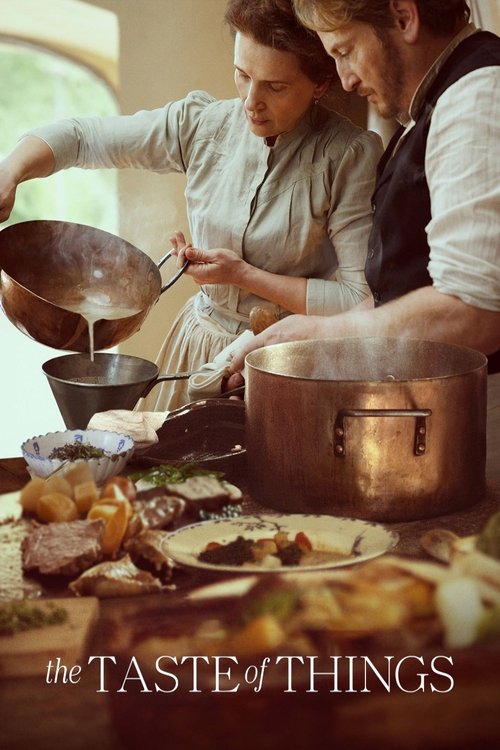
Set in 1889 France, Dodin Bouffant is a chef living with his personal cook and lover Eugénie. They share a long history of gastronomy and love but Eugénie refuses to marry Dodin, so the food lover decides to do something he has never done before: cook for her.
The film disappointed at the box office against its modest budget of $6.5M, earning $6.0M globally (-8% loss).
8 wins & 29 nominations


Plot Structure
Story beats plotted across runtime


Narrative Arc
Emotional journey through the story's key moments
Story Circle
Blueprint 15-beat structure
Arcplot Score Breakdown
Weighted: Precision (70%) + Arc (15%) + Theme (15%)
The Taste of Things (2023) demonstrates meticulously timed dramatic framework, characteristic of Trần Anh Hùng's storytelling approach. This structural analysis examines how the film's 15-point plot structure maps to proven narrative frameworks across 2 hours and 15 minutes. With an Arcplot score of 6.9, the film balances conventional beats with creative variation.
Characters
Cast & narrative archetypes

Eugénie
Dodin Bouffant
Pauline
Violette
Main Cast & Characters
Eugénie
Played by Juliette Binoche
A brilliant cook who has worked alongside Dodin for 20 years, creating culinary masterpieces while maintaining emotional independence despite their deep connection.
Dodin Bouffant
Played by Benoît Magimel
A renowned gourmet and gastronome who lives for culinary perfection and has loved Eugénie for two decades, though she refuses to marry him.
Pauline
Played by Bonnie Chagneau-Ravoire
A young kitchen assistant who learns the art of cooking from Eugénie and Dodin, representing the next generation of culinary artists.
Violette
Played by Galatéa Bellugi
Another kitchen assistant who works alongside Eugénie, helping to prepare elaborate meals in the household.
Structural Analysis
The Status Quo at 1 minutes (1% through the runtime) establishes Opening in the kitchen: Eugénie and her team prepare an elaborate multi-course meal with precision and artistry. The harmonious collaboration between Eugénie and Dodin is established through their twenty-year culinary partnership.. Of particular interest, this early placement immediately immerses viewers in the story world.
The inciting incident occurs at 16 minutes when Dodin proposes marriage to Eugénie for the first time. This disrupts their comfortable twenty-year arrangement. Eugénie gently refuses, preferring to maintain her independence and their current relationship, creating the central dramatic tension.. At 12% through the film, this Disruption aligns precisely with traditional story structure. This beat shifts the emotional landscape, launching the protagonist into the central conflict.
The First Threshold at 33 minutes marks the transition into Act II, occurring at 25% of the runtime. This shows the protagonist's commitment to Dodin makes an active choice: instead of continuing to propose, he will cook for Eugénie himself—reversing their roles. This decision represents his commitment to express love through their shared language of food rather than conventional courtship., moving from reaction to action.
At 68 minutes, the Midpoint arrives at 50% of the runtime—precisely centered, creating perfect narrative symmetry. Structural examination shows that this crucial beat False victory: Eugénie, moved by Dodin's declaration of love through cooking, accepts his proposal. They agree to marry. The stakes seem resolved, but subtle signs of Eugénie's declining health begin to appear, raising the true stakes., fundamentally raising what's at risk. The emotional intensity shifts, dividing the narrative into clear before-and-after phases.
The Collapse moment at 100 minutes (74% through) represents the emotional nadir. Here, Eugénie dies peacefully. The literal "whiff of death"—Dodin loses not just his love but his culinary partner, his creative equal, and his reason for cooking. The kitchen falls silent., demonstrates the protagonist at their lowest point. This beat's placement in the final quarter sets up the climactic reversal.
The Second Threshold at 108 minutes initiates the final act resolution at 80% of the runtime. Dodin returns to the kitchen and begins to teach Pauline, passing on Eugénie's techniques and philosophy. He synthesizes his grief with his love of the craft, understanding that honoring Eugénie means continuing the work they shared., demonstrating the transformation achieved throughout the journey.
Emotional Journey
The Taste of Things's emotional architecture traces a deliberate progression across 15 carefully calibrated beats.
Narrative Framework
This structural analysis employs systematic plot point analysis that identifies crucial turning points. By mapping The Taste of Things against these established plot points, we can identify how Trần Anh Hùng utilizes or subverts traditional narrative conventions. The plot point approach reveals not only adherence to structural principles but also creative choices that distinguish The Taste of Things within the romance genre.
Trần Anh Hùng's Structural Approach
Among the 2 Trần Anh Hùng films analyzed on Arcplot, the average structural score is 6.8, demonstrating varied approaches to story architecture. The Taste of Things represents one of the director's most structurally precise works. For comparative analysis, explore the complete Trần Anh Hùng filmography.
Comparative Analysis
Additional romance films include South Pacific, Dirty Dancing: Havana Nights and The Evening Star. For more Trần Anh Hùng analyses, see Norwegian Wood.
Plot Points by Act
Act I
SetupStatus Quo
Opening in the kitchen: Eugénie and her team prepare an elaborate multi-course meal with precision and artistry. The harmonious collaboration between Eugénie and Dodin is established through their twenty-year culinary partnership.
Theme
During the dinner with distinguished guests, conversation turns to the philosophy of cooking and eating. A guest remarks that true gastronomy is not about showing off, but about love and dedication to the craft—foreshadowing the central thematic question about devotion.
Worldbuilding
Extended sequences establish the world of 1885 French haute cuisine. We see the rituals of the kitchen, the relationship dynamics between Dodin and Eugénie, their mutual respect, and the unspoken romantic tension beneath their professional collaboration.
Disruption
Dodin proposes marriage to Eugénie for the first time. This disrupts their comfortable twenty-year arrangement. Eugénie gently refuses, preferring to maintain her independence and their current relationship, creating the central dramatic tension.
Resistance
Dodin grapples with Eugénie's refusal while they continue their culinary work. He invites the Prince's chef to a meal, which becomes a debate about culinary philosophy—excess versus restraint, performance versus authenticity. Dodin considers how to win Eugénie's heart.
Act II
ConfrontationFirst Threshold
Dodin makes an active choice: instead of continuing to propose, he will cook for Eugénie himself—reversing their roles. This decision represents his commitment to express love through their shared language of food rather than conventional courtship.
Mirror World
Introduction of Pauline, the young kitchen assistant who becomes Dodin's protégée. She represents pure, uncorrupted passion for cooking and mirrors the theme of dedication versus duty. Her presence reflects what drew Dodin and Eugénie together initially.
Premise
The extended sequence of Dodin cooking an intimate meal for Eugénie. This "promise of the premise" delivers what audiences came for: sensual, meditative food preparation as an act of love. Their relationship deepens through shared appreciation and mutual vulnerability.
Midpoint
False victory: Eugénie, moved by Dodin's declaration of love through cooking, accepts his proposal. They agree to marry. The stakes seem resolved, but subtle signs of Eugénie's declining health begin to appear, raising the true stakes.
Opposition
Eugénie's health deteriorates. She continues cooking despite increasing fatigue. The Opposition is not external antagonism but time and mortality itself. Dodin and Eugénie plan their future while the audience recognizes she is dying.
Collapse
Eugénie dies peacefully. The literal "whiff of death"—Dodin loses not just his love but his culinary partner, his creative equal, and his reason for cooking. The kitchen falls silent.
Crisis
Dodin withdraws from the world. The kitchen is unused. He sits alone with his grief, processing the loss. The film holds space for mourning, showing the emptiness in the spaces Eugénie once filled.
Act III
ResolutionSecond Threshold
Dodin returns to the kitchen and begins to teach Pauline, passing on Eugénie's techniques and philosophy. He synthesizes his grief with his love of the craft, understanding that honoring Eugénie means continuing the work they shared.
Synthesis
Dodin and Pauline prepare meals together. He finds purpose in mentorship and in preserving the culinary traditions and values he and Eugénie developed. The kitchen comes alive again, though forever changed.
Transformation
Final image mirrors the opening: a meal being prepared with care and artistry. But now Dodin works with Pauline, transformed by loss into a teacher. The film closes on the enduring power of craft, love, and tradition—cooking continues as an act of devotion.