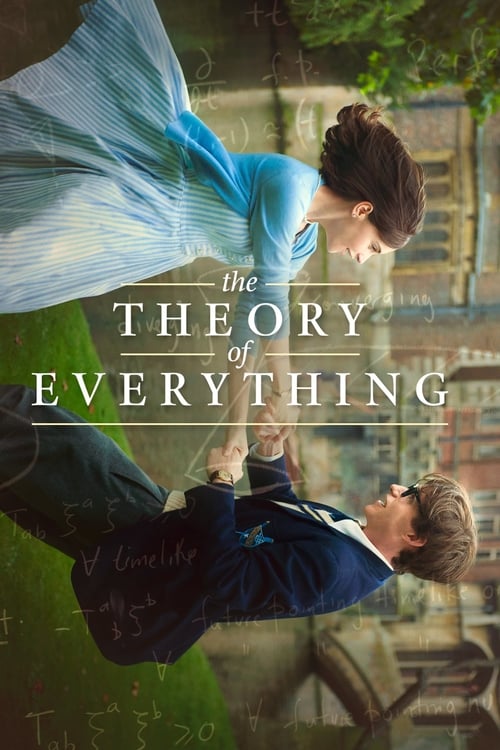
The Theory of Everything
The Theory of Everything is the extraordinary story of one of the world’s greatest living minds, the renowned astrophysicist Stephen Hawking, who falls deeply in love with fellow Cambridge student Jane Wilde.
Despite a mid-range budget of $15.0M, The Theory of Everything became a massive hit, earning $123.7M worldwide—a remarkable 725% return.
1 Oscar. 25 wins & 128 nominations


Plot Structure
Story beats plotted across runtime


Narrative Arc
Emotional journey through the story's key moments
Story Circle
Blueprint 15-beat structure
Arcplot Score Breakdown
Weighted: Precision (70%) + Arc (15%) + Theme (15%)
The Theory of Everything (2014) exhibits meticulously timed narrative architecture, characteristic of James Marsh's storytelling approach. This structural analysis examines how the film's 15-point plot structure maps to proven narrative frameworks across 2 hours and 3 minutes. With an Arcplot score of 6.9, the film balances conventional beats with creative variation.
Characters
Cast & narrative archetypes

Stephen Hawking
Jane Wilde Hawking
Jonathan Hellyer Jones
Dennis Sciama
Elaine Mason
Main Cast & Characters
Stephen Hawking
Played by Eddie Redmayne
Brilliant Cambridge physicist who develops ALS and revolutionary theories about the universe while fighting physical deterioration.
Jane Wilde Hawking
Played by Felicity Jones
Stephen's wife, a literature student who falls in love with him and becomes his caretaker, eventually struggling with the burden.
Jonathan Hellyer Jones
Played by Charlie Cox
Church choir director who befriends Jane and provides emotional support, later developing romantic feelings.
Dennis Sciama
Played by David Thewlis
Stephen's doctoral advisor and mentor at Cambridge who guides his early theoretical work.
Elaine Mason
Played by Maxine Peake
Stephen's nurse who becomes his second wife, providing care and companionship.
Structural Analysis
The Status Quo at 1 minutes (1% through the runtime) establishes Stephen Hawking cycles energetically through Cambridge as a young, physically healthy PhD student in 1963, full of life and optimism about studying cosmology.. Structural examination shows that this early placement immediately immerses viewers in the story world.
The inciting incident occurs at 14 minutes when Stephen falls on the courtyard, unable to get up. At the hospital, doctors diagnose him with motor neuron disease (ALS) and give him two years to live.. At 12% through the film, this Disruption aligns precisely with traditional story structure. This beat shifts the emotional landscape, launching the protagonist into the central conflict.
The First Threshold at 30 minutes marks the transition into Act II, occurring at 25% of the runtime. This reveals the protagonist's commitment to Stephen completes and successfully defends his PhD thesis on black holes and the origins of the universe, choosing to fully commit to his scientific work and life with Jane despite his diagnosis., moving from reaction to action.
At 61 minutes, the Midpoint arrives at 50% of the runtime—precisely centered, creating perfect narrative symmetry. Structural examination shows that this crucial beat Stephen attends the opera reception and meets the Queen, a false victory showing him at the peak of recognition and their family appearing perfect. But the strain is showing - Jane is exhausted and Stephen's condition continues to worsen., fundamentally raising what's at risk. The emotional intensity shifts, dividing the narrative into clear before-and-after phases.
The Collapse moment at 91 minutes (74% through) represents the emotional nadir. Here, Jane breaks down emotionally, confessing to Jonathan that she has loved him. The marriage - the central relationship that defied Stephen's death sentence - has died, even though Stephen himself has survived far beyond expectations., reveals the protagonist at their lowest point. This beat's placement in the final quarter sets up the climactic reversal.
The Second Threshold at 99 minutes initiates the final act resolution at 80% of the runtime. Stephen tells Jane, "Look what we made," showing their children. They both realize they can honor what they built together while accepting they must part. Stephen gives Jane his blessing to be with Jonathan., demonstrating the transformation achieved throughout the journey.
Emotional Journey
The Theory of Everything's emotional architecture traces a deliberate progression across 15 carefully calibrated beats.
Narrative Framework
This structural analysis employs systematic plot point analysis that identifies crucial turning points. By mapping The Theory of Everything against these established plot points, we can identify how James Marsh utilizes or subverts traditional narrative conventions. The plot point approach reveals not only adherence to structural principles but also creative choices that distinguish The Theory of Everything within the drama genre.
James Marsh's Structural Approach
Among the 2 James Marsh films analyzed on Arcplot, the average structural score is 6.9, demonstrating varied approaches to story architecture. The Theory of Everything exemplifies the director's characteristic narrative technique. For comparative analysis, explore the complete James Marsh filmography.
Comparative Analysis
Additional drama films include After Thomas, South Pacific and Dirty Dancing: Havana Nights. For more James Marsh analyses, see The Mercy.
Plot Points by Act
Act I
SetupStatus Quo
Stephen Hawking cycles energetically through Cambridge as a young, physically healthy PhD student in 1963, full of life and optimism about studying cosmology.
Theme
At a party, Jane asks Stephen what his thesis is about. He says he's studying time, and she asks "What is that?" He responds: "It's a simple question - about the nature of time itself." The theme: understanding what truly matters in the time we have.
Worldbuilding
Stephen navigates Cambridge academic life, encounters Jane Wilde at a party, begins courting her while working on his PhD under Dennis Sciama. His brilliance is evident but his ideas are unconventional.
Disruption
Stephen falls on the courtyard, unable to get up. At the hospital, doctors diagnose him with motor neuron disease (ALS) and give him two years to live.
Resistance
Stephen initially pushes Jane away, not wanting to burden her. Jane insists on staying with him, declaring "I want us to be together for as long as we've got." They marry and Stephen begins working on his groundbreaking thesis about the beginning of time.
Act II
ConfrontationFirst Threshold
Stephen completes and successfully defends his PhD thesis on black holes and the origins of the universe, choosing to fully commit to his scientific work and life with Jane despite his diagnosis.
Mirror World
Jane and Stephen welcome their first child, establishing their family life. Jane embodies the human, emotional world that mirrors and supports Stephen's intellectual pursuits.
Premise
Stephen rises to academic fame while his physical condition deteriorates. Jane manages the household and children while supporting his career. They navigate the promise of their relationship - love and science coexisting despite impossible odds.
Midpoint
Stephen attends the opera reception and meets the Queen, a false victory showing him at the peak of recognition and their family appearing perfect. But the strain is showing - Jane is exhausted and Stephen's condition continues to worsen.
Opposition
Jane befriends Jonathan, the choir director, who helps with Stephen and the children. Stephen loses his ability to walk and eventually to speak after a pneumonia crisis and tracheotomy. The marriage deteriorates as Jane becomes more isolated and Stephen grows closer to his nurse Elaine.
Collapse
Jane breaks down emotionally, confessing to Jonathan that she has loved him. The marriage - the central relationship that defied Stephen's death sentence - has died, even though Stephen himself has survived far beyond expectations.
Crisis
Jane and Stephen face the reality that their marriage cannot continue. They process the end of their relationship while acknowledging what they've accomplished together and the love that still exists beneath the pain.
Act III
ResolutionSecond Threshold
Stephen tells Jane, "Look what we made," showing their children. They both realize they can honor what they built together while accepting they must part. Stephen gives Jane his blessing to be with Jonathan.
Synthesis
The final act shows Stephen receiving honors from the Queen, publishing "A Brief History of Time," and achieving worldwide fame. Jane and Stephen separate amicably. Both find new partners while maintaining mutual respect and co-parenting.
Transformation
At the film's end, Stephen reverses time in his mind, going backward through his life to the moment he first met Jane at the party. Despite everything - the disease, the separation, the suffering - he would do it all again. The transformation: from fearing limited time to understanding that love and work give time its meaning.