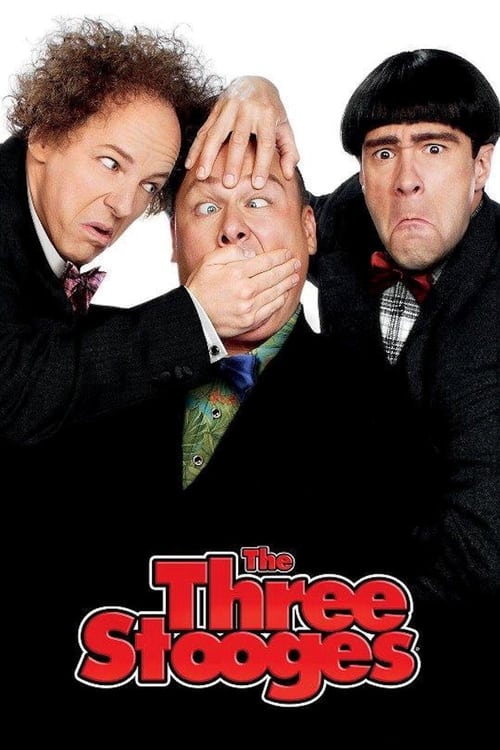
The Three Stooges
Left on the doorstep of an orphanage run by nuns, three newborn knuckleheads grow up to be finger-poking, nyuk-nyuking janitors named Larry, Curly and Moe. When they learn that financial problems will soon force the only home they've ever known to close, the trio sets out to raise $830,000 in one month. Out in the world for the very first time, the three innocent bumblers become embroiled in a murder plot and find stardom on a TV reality show.
Working with a mid-range budget of $30.0M, the film achieved a steady performer with $54.8M in global revenue (+83% profit margin).


Plot Structure
Story beats plotted across runtime


Narrative Arc
Emotional journey through the story's key moments
Story Circle
Blueprint 15-beat structure
Arcplot Score Breakdown
Weighted: Precision (70%) + Arc (15%) + Theme (15%)
The Three Stooges (2012) demonstrates precise dramatic framework, characteristic of Peter Farrelly's storytelling approach. This structural analysis examines how the film's 15-point plot structure maps to proven narrative frameworks across 1 hour and 32 minutes. With an Arcplot score of 7.0, the film balances conventional beats with creative variation.
Characters
Cast & narrative archetypes

Moe Howard
Larry Fine
Curly Howard
Sister Mary-Mengele
Sister Bernice
Lydia
Mac
Main Cast & Characters
Moe Howard
Played by Chris Diamantopoulos
The leader of the Three Stooges, aggressive and bossy, constantly slapping and eye-poking his brothers to keep them in line.
Larry Fine
Played by Sean Hayes
The middle Stooge, easygoing peacemaker caught between Moe's aggression and Curly's antics.
Curly Howard
Played by Will Sasso
The childlike, dim-witted youngest Stooge with a heart of gold and signature "nyuk nyuk" laugh.
Sister Mary-Mengele
Played by Larry David
The tough, no-nonsense head nun at the orphanage who raised the Stooges with tough love.
Sister Bernice
Played by Jane Lynch
Compassionate nun at the orphanage who genuinely cares for the Stooges and the children.
Lydia
Played by Sofia Vergara
Femme fatale who manipulates the Stooges into a murder-for-hire scheme to kill her husband.
Mac
Played by Craig Bierko
Lydia's wealthy husband who becomes the target of her murderous plot.
Structural Analysis
The Status Quo at 1 minutes (1% through the runtime) establishes Baby Moe, Larry, and Curly are left in a basket at the Sisters of Mercy Orphanage, establishing their lifelong bond and status as unwanted outcasts.. Notably, this early placement immediately immerses viewers in the story world.
The inciting incident occurs at 12 minutes when Adult Stooges learn the orphanage will close in 30 days unless they raise $830,000. The only home they've ever known faces destruction.. At 13% through the film, this Disruption is delayed, allowing extended setup of the story world. This beat shifts the emotional landscape, launching the protagonist into the central conflict.
The First Threshold at 23 minutes marks the transition into Act II, occurring at 25% of the runtime. This illustrates the protagonist's commitment to Moe accepts Lydia's offer to "take care of" her husband Teddy for money, not realizing it's a murder-for-hire scheme. He unknowingly commits to becoming a hitman., moving from reaction to action.
At 46 minutes, the Midpoint arrives at 50% of the runtime—precisely centered, creating perfect narrative symmetry. Significantly, this crucial beat Moe discovers the truth: Larry and Curly were actually trying to save Teddy, not kill him, and Lydia manipulated them all. His celebrity status means nothing as he realizes he's failed his friends and been used., fundamentally raising what's at risk. The emotional intensity shifts, dividing the narrative into clear before-and-after phases.
The Collapse moment at 69 minutes (75% through) represents the emotional nadir. Here, The three Stooges split up completely. Moe declares "I don't need you anymore," severing their lifelong bond. The orphanage is about to be sold. Their friendship dies, echoing the thematic "death" of their family., indicates the protagonist at their lowest point. This beat's placement in the final quarter sets up the climactic reversal.
The Second Threshold at 74 minutes initiates the final act resolution at 80% of the runtime. The Stooges reunite after realizing their bond is unbreakable. They gain evidence of Lydia's murder plot. Armed with renewed friendship and the truth, they launch into Act 3 to save Teddy and the orphanage., demonstrating the transformation achieved throughout the journey.
Emotional Journey
The Three Stooges's emotional architecture traces a deliberate progression across 15 carefully calibrated beats.
Narrative Framework
This structural analysis employs a 15-point narrative structure framework that maps key story moments. By mapping The Three Stooges against these established plot points, we can identify how Peter Farrelly utilizes or subverts traditional narrative conventions. The plot point approach reveals not only adherence to structural principles but also creative choices that distinguish The Three Stooges within the comedy genre.
Peter Farrelly's Structural Approach
Among the 6 Peter Farrelly films analyzed on Arcplot, the average structural score is 6.5, demonstrating varied approaches to story architecture. The Three Stooges represents one of the director's most structurally precise works. For comparative analysis, explore the complete Peter Farrelly filmography.
Comparative Analysis
Additional comedy films include The Bad Guys, Ella Enchanted and The Evening Star. For more Peter Farrelly analyses, see Dumb and Dumber, Green Book and There's Something About Mary.
Plot Points by Act
Act I
SetupStatus Quo
Baby Moe, Larry, and Curly are left in a basket at the Sisters of Mercy Orphanage, establishing their lifelong bond and status as unwanted outcasts.
Theme
Mother Superior tells the boys that "family isn't just about who shares your blood, it's about who you'd bleed for" - the core theme of chosen family and loyalty.
Worldbuilding
The Stooges grow up at the orphanage, never adopted, causing chaos with their slapstick antics. We see their unbreakable bond and good hearts despite being troublemakers. The orphanage struggles financially.
Disruption
Adult Stooges learn the orphanage will close in 30 days unless they raise $830,000. The only home they've ever known faces destruction.
Resistance
The Stooges debate how to raise the money. They venture into the modern world, completely out of touch with contemporary society. Multiple schemes fail comically as they struggle to adapt.
Act II
ConfrontationFirst Threshold
Moe accepts Lydia's offer to "take care of" her husband Teddy for money, not realizing it's a murder-for-hire scheme. He unknowingly commits to becoming a hitman.
Mirror World
Moe is separated from Larry and Curly when he's recruited for the Jersey Shore reality show, introducing a world of shallow fame that contrasts with the Stooges' authentic brotherhood.
Premise
The promise of the premise: classic Three Stooges slapstick mayhem in the modern world. Moe becomes a reality TV star while Larry and Curly continue the murder plot. Physical comedy escalates with eye pokes, slaps, and pratfalls.
Midpoint
Moe discovers the truth: Larry and Curly were actually trying to save Teddy, not kill him, and Lydia manipulated them all. His celebrity status means nothing as he realizes he's failed his friends and been used.
Opposition
The Stooges are fractured. Moe's ego and the betrayal drive them apart. Lydia and Mac's scheme intensifies. The orphanage deadline looms. Their friendship - their only real asset - crumbles under pressure and misunderstanding.
Collapse
The three Stooges split up completely. Moe declares "I don't need you anymore," severing their lifelong bond. The orphanage is about to be sold. Their friendship dies, echoing the thematic "death" of their family.
Crisis
Each Stooge separately reflects on what they've lost. Moe realizes fame is empty without his brothers. Larry and Curly mourn the broken trio. They process their failure and the imminent loss of the orphanage.
Act III
ResolutionSecond Threshold
The Stooges reunite after realizing their bond is unbreakable. They gain evidence of Lydia's murder plot. Armed with renewed friendship and the truth, they launch into Act 3 to save Teddy and the orphanage.
Synthesis
The Stooges execute a slapstick finale to stop the murder, expose Lydia and Mac, save Teddy, and raise money for the orphanage. They combine their classic physical comedy with newfound teamwork and purpose.
Transformation
The Stooges return to the orphanage, having saved it. They help three new orphan boys find adoption, passing on the lesson that family is who you choose. They remain together, transformed from outcasts to heroes.