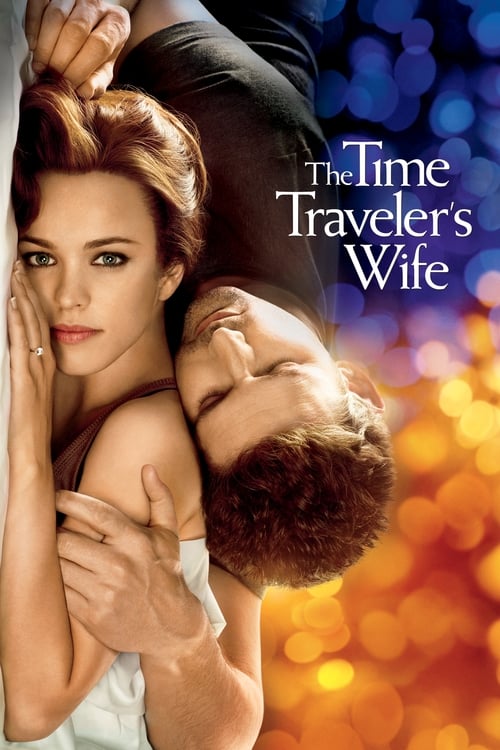
The Time Traveler's Wife
Due to a genetic disorder, handsome librarian Henry DeTamble involuntarily zips through time, appearing at various moments in the life of his true love, the beautiful artist Clare Abshire.
Despite a mid-range budget of $39.0M, The Time Traveler's Wife became a financial success, earning $101.3M worldwide—a 160% return.
1 win & 5 nominations


Plot Structure
Story beats plotted across runtime


Narrative Arc
Emotional journey through the story's key moments
Story Circle
Blueprint 15-beat structure
Arcplot Score Breakdown
Weighted: Precision (70%) + Arc (15%) + Theme (15%)
The Time Traveler's Wife (2009) demonstrates carefully calibrated plot construction, characteristic of Robert Schwentke's storytelling approach. This structural analysis examines how the film's 15-point plot structure maps to proven narrative frameworks across 1 hour and 47 minutes. With an Arcplot score of 7.5, the film showcases strong structural fundamentals.
Characters
Cast & narrative archetypes

Clare Abshire
Henry DeTamble
Gomez
Charisse
Richard DeTamble
Main Cast & Characters
Clare Abshire
Played by Rachel McAdams
An art student who has known Henry since childhood due to his time traveling, waiting for their relationship to align in linear time.
Henry DeTamble
Played by Eric Bana
A librarian with a genetic disorder that causes him to involuntarily time travel, struggling to maintain a relationship across temporal chaos.
Gomez
Played by Ron Livingston
Clare's close friend and protector who is suspicious and jealous of Henry's relationship with Clare.
Charisse
Played by Jane McLean
Clare's best friend and Gomez's wife, who provides emotional support and grounding throughout Clare's tumultuous relationship.
Richard DeTamble
Played by Arliss Howard
Henry's father, a famous violinist struggling with alcoholism and grief over his wife's death.
Structural Analysis
The Status Quo at 2 minutes (2% through the runtime) establishes Young Henry witnesses his mother's death in a car accident while experiencing his first time travel episode. Establishes Henry's world: he is cursed with involuntary time travel triggered by stress.. Structural examination shows that this early placement immediately immerses viewers in the story world.
The inciting incident occurs at 12 minutes when Clare walks into the library where Henry works and tells him they're going to be married. Henry (who hasn't met her yet in his timeline) is confronted with his predetermined future.. At 12% through the film, this Disruption aligns precisely with traditional story structure. This beat shifts the emotional landscape, launching the protagonist into the central conflict.
The First Threshold at 26 minutes marks the transition into Act II, occurring at 24% of the runtime. This indicates the protagonist's commitment to Henry proposes to Clare and she accepts. He makes the active choice to commit to their relationship despite his condition, entering a world of marriage and attempted normalcy., moving from reaction to action.
At 52 minutes, the Midpoint arrives at 49% of the runtime—precisely centered, creating perfect narrative symmetry. Of particular interest, this crucial beat Clare suffers another devastating miscarriage. False defeat: their dream of having a family seems impossible. Henry realizes his genetic disorder may prevent them from ever having children. Stakes are raised., fundamentally raising what's at risk. The emotional intensity shifts, dividing the narrative into clear before-and-after phases.
The Collapse moment at 78 minutes (73% through) represents the emotional nadir. Here, Henry time-travels to a winter scene where he is shot by Clare's brother while hunting. He returns to the present badly wounded, feet frozen. His feet are amputated. Literal "whiff of death" and loss of mobility foreshadows his mortality., indicates the protagonist at their lowest point. This beat's placement in the final quarter sets up the climactic reversal.
The Second Threshold at 85 minutes initiates the final act resolution at 80% of the runtime. Henry visits Clare from the future and tells her she will have Alba. Clare discovers she's pregnant. New information: their love will create life despite everything. They find renewed purpose in their remaining time., demonstrating the transformation achieved throughout the journey.
Emotional Journey
The Time Traveler's Wife's emotional architecture traces a deliberate progression across 15 carefully calibrated beats.
Narrative Framework
This structural analysis employs proven narrative structure principles that track dramatic progression. By mapping The Time Traveler's Wife against these established plot points, we can identify how Robert Schwentke utilizes or subverts traditional narrative conventions. The plot point approach reveals not only adherence to structural principles but also creative choices that distinguish The Time Traveler's Wife within the drama genre.
Robert Schwentke's Structural Approach
Among the 7 Robert Schwentke films analyzed on Arcplot, the average structural score is 7.1, reflecting strong command of classical structure. The Time Traveler's Wife represents one of the director's most structurally precise works. For comparative analysis, explore the complete Robert Schwentke filmography.
Comparative Analysis
Additional drama films include After Thomas, South Pacific and Dirty Dancing: Havana Nights. For more Robert Schwentke analyses, see RED, Snake Eyes: G.I. Joe Origins and Allegiant.
Plot Points by Act
Act I
SetupStatus Quo
Young Henry witnesses his mother's death in a car accident while experiencing his first time travel episode. Establishes Henry's world: he is cursed with involuntary time travel triggered by stress.
Theme
Adult Henry tells Clare in the meadow: "I never wanted to have this thing. But I have it, and it's part of me." Theme stated: accepting what we cannot control while cherishing what we can.
Worldbuilding
Intercut timelines establish the rules: Henry time-travels naked and involuntarily. Adult Henry visits young Clare in the meadow throughout her childhood. Present-day Clare knows Henry, but present-day Henry hasn't met her yet.
Disruption
Clare walks into the library where Henry works and tells him they're going to be married. Henry (who hasn't met her yet in his timeline) is confronted with his predetermined future.
Resistance
Henry and Clare begin dating in the present. Henry debates whether he can have a normal relationship. Clare knows their future, but Henry experiences doubt and fear. He learns to trust what she already knows.
Act II
ConfrontationFirst Threshold
Henry proposes to Clare and she accepts. He makes the active choice to commit to their relationship despite his condition, entering a world of marriage and attempted normalcy.
Mirror World
Henry and Clare's wedding day. Despite Henry time-traveling away at the altar, his older self appears to marry Clare. The relationship that will teach both characters about acceptance and loss is solidified.
Premise
The promise of the premise: married life with a time traveler. Clare and Henry navigate his disappearances, their attempts to have a baby (complicated by miscarriages due to time-traveling fetuses), moments of joy and connection across time.
Midpoint
Clare suffers another devastating miscarriage. False defeat: their dream of having a family seems impossible. Henry realizes his genetic disorder may prevent them from ever having children. Stakes are raised.
Opposition
Pressure intensifies. Clare desperately wants a child while Henry grows more fearful. Henry meets his daughter Alba from the future and learns she inherited his condition. Their marriage strains under the weight of loss and Henry's increasing time jumps.
Collapse
Henry time-travels to a winter scene where he is shot by Clare's brother while hunting. He returns to the present badly wounded, feet frozen. His feet are amputated. Literal "whiff of death" and loss of mobility foreshadows his mortality.
Crisis
Henry in wheelchair, contemplating his limited future. Clare processes the reality that Henry will die young. Dark night: both characters face the inevitable tragedy of their love story.
Act III
ResolutionSecond Threshold
Henry visits Clare from the future and tells her she will have Alba. Clare discovers she's pregnant. New information: their love will create life despite everything. They find renewed purpose in their remaining time.
Synthesis
Alba is born. Henry cherishes his time with Clare and their daughter, knowing the end is near. Henry time-travels to the meadow where young Clare waits, shot again by her brother. He dies in Clare's arms in the present. Clare lives on, waiting.
Transformation
Older Clare waits in the meadow with Alba. An older Henry appears one final time, time-traveled from the past. They embrace. Clare has transformed from the girl waiting for Henry to the woman who understands that love exists outside linear time.