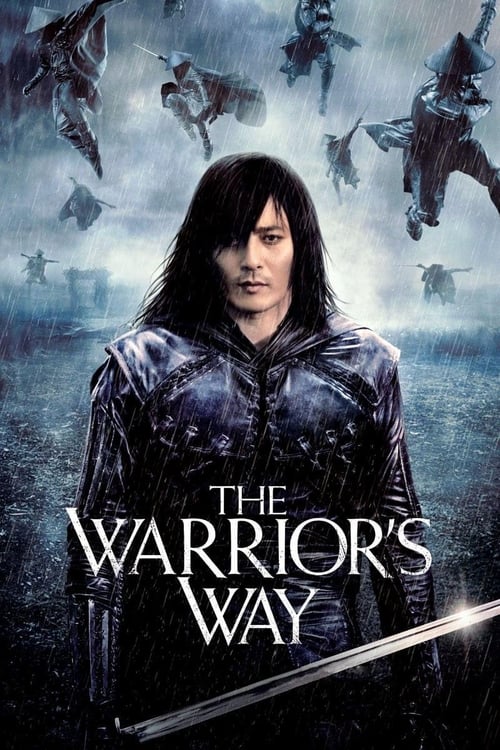
The Warrior's Way
A warrior-assassin is forced to hide in a small town in the American Badlands after refusing a mission.
The film commercial failure against its respectable budget of $42.0M, earning $11.1M globally (-74% loss). While initial box office returns were modest, the film has gained appreciation for its distinctive approach within the adventure genre.


Plot Structure
Story beats plotted across runtime


Narrative Arc
Emotional journey through the story's key moments
Story Circle
Blueprint 15-beat structure
Arcplot Score Breakdown
Weighted: Precision (70%) + Arc (15%) + Theme (15%)
The Warrior's Way (2010) showcases strategically placed narrative architecture, characteristic of Lee Seung-moo's storytelling approach. This structural analysis examines how the film's 15-point plot structure maps to proven narrative frameworks across 1 hour and 40 minutes. With an Arcplot score of 7.6, the film showcases strong structural fundamentals.
Characters
Cast & narrative archetypes

Yang
Lynne
Colonel
Ron
Saddest Flute
Baby Girl
Main Cast & Characters
Yang
Played by Jang Dong-gun
The world's greatest swordsman who refuses to kill the last surviving child of an enemy clan and flees to the American West seeking redemption.
Lynne
Played by Kate Bosworth
A knife-throwing circus performer haunted by tragedy who becomes Yang's ally and love interest in the frontier town.
Colonel
Played by Danny Huston
A sadistic outlaw who destroyed Lynne's family and terrorizes the town, representing pure malevolence and chaos.
Ron
Played by Geoffrey Rush
The town drunk and former circus performer who befriends Yang and finds renewed purpose through their friendship.
Saddest Flute
Played by Ti Lung
Yang's former teacher and mentor who pursues him to America to force him to complete his mission and kill the child.
Baby Girl
Played by Analin Rudd
The infant survivor of the enemy clan that Yang refuses to kill, representing innocence and Yang's path to redemption.
Structural Analysis
The Status Quo at 1 minutes (1% through the runtime) establishes Yang stands victorious over slaughtered enemy clan members, the world's greatest swordsman at the peak of his deadly power.. Significantly, this early placement immediately immerses viewers in the story world.
The inciting incident occurs at 13 minutes when Yang discovers he cannot kill the enemy clan's baby girl, defying his master's orders and betraying everything he was trained to be.. At 13% through the film, this Disruption is delayed, allowing extended setup of the story world. This beat shifts the emotional landscape, launching the protagonist into the central conflict.
The First Threshold at 24 minutes marks the transition into Act II, occurring at 24% of the runtime. This shows the protagonist's commitment to Yang actively chooses to stay in the town and protect the people, beginning to train and prepare to defend them against Colonel's gang., moving from reaction to action.
At 51 minutes, the Midpoint arrives at 51% of the runtime—precisely centered, creating perfect narrative symmetry. Significantly, this crucial beat Yang's past catches up - his former clan discovers his location, and Colonel's gang intensifies their threat, raising the stakes dramatically., fundamentally raising what's at risk. The emotional intensity shifts, dividing the narrative into clear before-and-after phases.
The Collapse moment at 74 minutes (74% through) represents the emotional nadir. Here, The town is devastated by Colonel's attack, innocent people die, and Yang's master Saddest Flute arrives for final confrontation - the warrior's hope for peaceful redemption appears destroyed., indicates the protagonist at their lowest point. This beat's placement in the final quarter sets up the climactic reversal.
The Second Threshold at 80 minutes initiates the final act resolution at 80% of the runtime. Yang synthesizes warrior skills with his newfound humanity - he will fight not as an assassin but as a protector, using his deadly abilities to defend rather than destroy., demonstrating the transformation achieved throughout the journey.
Emotional Journey
The Warrior's Way's emotional architecture traces a deliberate progression across 15 carefully calibrated beats.
Narrative Framework
This structural analysis employs proven narrative structure principles that track dramatic progression. By mapping The Warrior's Way against these established plot points, we can identify how Lee Seung-moo utilizes or subverts traditional narrative conventions. The plot point approach reveals not only adherence to structural principles but also creative choices that distinguish The Warrior's Way within the adventure genre.
Comparative Analysis
Additional adventure films include The Black Stallion, The Bad Guys and Puss in Boots.
Plot Points by Act
Act I
SetupStatus Quo
Yang stands victorious over slaughtered enemy clan members, the world's greatest swordsman at the peak of his deadly power.
Theme
Lynne tells Yang about choosing who you want to be rather than what others make you - foreshadowing the warrior's journey from killer to protector.
Worldbuilding
Introduction to the dying Western town, the circus performers and outcasts, Yang's arrival with the baby, and establishment of the town under threat from Colonel and his gang.
Disruption
Yang discovers he cannot kill the enemy clan's baby girl, defying his master's orders and betraying everything he was trained to be.
Resistance
Yang hides in the town, debates his new identity, resists getting involved in the town's problems, and struggles between his warrior past and potential peaceful future.
Act II
ConfrontationFirst Threshold
Yang actively chooses to stay in the town and protect the people, beginning to train and prepare to defend them against Colonel's gang.
Mirror World
Yang's relationship with Lynne deepens - she represents the possibility of redemption, love, and a life beyond killing.
Premise
Yang integrates into the town, develops his relationship with Lynne and the baby, learns to be part of a community, and experiences moments of peace and humanity.
Midpoint
Yang's past catches up - his former clan discovers his location, and Colonel's gang intensifies their threat, raising the stakes dramatically.
Opposition
Pressure mounts from both fronts: the approaching assassin clan and Colonel's escalating violence. Yang's two worlds collide as he struggles to protect the town while facing his past.
Collapse
The town is devastated by Colonel's attack, innocent people die, and Yang's master Saddest Flute arrives for final confrontation - the warrior's hope for peaceful redemption appears destroyed.
Crisis
Yang faces the darkness of his choice - mourning the dead, confronting the cost of his past, and wrestling with whether redemption is possible for someone with so much blood on his hands.
Act III
ResolutionSecond Threshold
Yang synthesizes warrior skills with his newfound humanity - he will fight not as an assassin but as a protector, using his deadly abilities to defend rather than destroy.
Synthesis
Epic finale battle where Yang faces both Colonel's gang and his former master, the townspeople fight alongside him, and he proves that a killer can become a guardian.
Transformation
Yang stands peacefully with Lynne and the baby in the rebuilt town, transformed from the world's greatest assassin into a protector and father figure - choosing life over death.