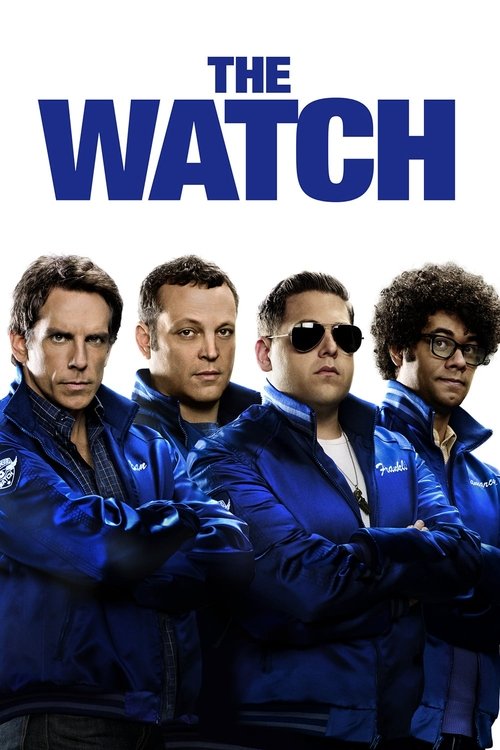
The Watch
Four everyday suburban guys come together as an excuse to escape their humdrum lives one night a week. But when they accidentally discover that their town has become overrun with aliens posing as ordinary suburbanites, they have no choice but to save their neighborhood – and the world – from total extermination.
Working with a respectable budget of $68.0M, the film achieved a respectable showing with $68.3M in global revenue (+0% profit margin).


Plot Structure
Story beats plotted across runtime


Narrative Arc
Emotional journey through the story's key moments
Story Circle
Blueprint 15-beat structure
Arcplot Score Breakdown
Weighted: Precision (70%) + Arc (15%) + Theme (15%)
The Watch (2012) reveals strategically placed narrative architecture, characteristic of Akiva Schaffer's storytelling approach. This structural analysis examines how the film's 15-point plot structure maps to proven narrative frameworks across 1 hour and 42 minutes. With an Arcplot score of 7.7, the film showcases strong structural fundamentals.
Characters
Cast & narrative archetypes

Evan Trautwig
Bob Finnerty
Franklin
Jamarcus
Abby Trautwig
Main Cast & Characters
Evan Trautwig
Played by Ben Stiller
Costco manager who forms a neighborhood watch after his security guard is murdered, struggling with infertility and control issues.
Bob Finnerty
Played by Vince Vaughn
Construction company owner and family man who joins the watch to escape domestic life and party with the guys.
Franklin
Played by Jonah Hill
High school dropout living with his parents who joins the watch seeking purpose and belonging.
Jamarcus
Played by Richard Ayoade
Mysterious British newcomer to the neighborhood who joins the watch and reveals unexpected skills.
Abby Trautwig
Played by Rosemarie DeWitt
Evan's wife who struggles with their infertility issues and feels emotionally disconnected from her husband.
Structural Analysis
The Status Quo at 1 minutes (1% through the runtime) establishes Evan Trautwig manages his Costco store with obsessive precision and pride, living a structured, control-focused life in suburban Glenview, Ohio. He's beloved by customers but distant from real connection.. The analysis reveals that this early placement immediately immerses viewers in the story world.
The inciting incident occurs at 13 minutes when Antonio, Evan's night security guard and friend, is brutally murdered at the Costco. The violent, mysterious death shatters Evan's sense of control and safety in his carefully managed world.. At 13% through the film, this Disruption is delayed, allowing extended setup of the story world. This beat shifts the emotional landscape, launching the protagonist into the central conflict.
The First Threshold at 26 minutes marks the transition into Act II, occurring at 25% of the runtime. This indicates the protagonist's commitment to Evan officially forms the neighborhood watch with three unlikely recruits: Bob, Franklin, and Jamarcus. Despite their incompetence, he commits to working with them to find Antonio's killer., moving from reaction to action.
At 52 minutes, the Midpoint arrives at 51% of the runtime—precisely centered, creating perfect narrative symmetry. Structural examination shows that this crucial beat The group captures and studies an alien orb, but their investigation leads to disaster when they accidentally reveal to each other their deepest insecurities. Evan learns he's infertile, explaining his childlessness and control issues. False defeat: they seem outmatched., fundamentally raising what's at risk. The emotional intensity shifts, dividing the narrative into clear before-and-after phases.
The Collapse moment at 75 minutes (74% through) represents the emotional nadir. Here, The watch falls apart completely when they're blamed for neighborhood destruction. Evan hits rock bottom emotionally, confronting his inability to control anything - the aliens, his fertility, or his team. The group disbands., indicates the protagonist at their lowest point. This beat's placement in the final quarter sets up the climactic reversal.
The Second Threshold at 81 minutes initiates the final act resolution at 79% of the runtime. Evan discovers the aliens' invasion plan and realizes only by reuniting the watch - trusting them despite their flaws - can they save the neighborhood. He chooses collaboration over control., demonstrating the transformation achieved throughout the journey.
Emotional Journey
The Watch's emotional architecture traces a deliberate progression across 15 carefully calibrated beats.
Narrative Framework
This structural analysis employs a 15-point narrative structure framework that maps key story moments. By mapping The Watch against these established plot points, we can identify how Akiva Schaffer utilizes or subverts traditional narrative conventions. The plot point approach reveals not only adherence to structural principles but also creative choices that distinguish The Watch within the comedy genre.
Akiva Schaffer's Structural Approach
Among the 3 Akiva Schaffer films analyzed on Arcplot, the average structural score is 7.5, reflecting strong command of classical structure. The Watch represents one of the director's most structurally precise works. For comparative analysis, explore the complete Akiva Schaffer filmography.
Comparative Analysis
Additional comedy films include The Bad Guys, Ella Enchanted and The Evening Star. For more Akiva Schaffer analyses, see Popstar: Never Stop Never Stopping, Hot Rod.
Plot Points by Act
Act I
SetupStatus Quo
Evan Trautwig manages his Costco store with obsessive precision and pride, living a structured, control-focused life in suburban Glenview, Ohio. He's beloved by customers but distant from real connection.
Theme
At a neighborhood watch meeting, someone mentions that "you can't control everything" and that community is about looking out for each other, not micromanaging - foreshadowing Evan's need to learn trust and let go.
Worldbuilding
Evan's controlled world is established: his marriage to Abby, his community involvement, his club memberships, and his Costco kingdom. We meet his employee Antonio, and see Evan's desperate need to belong and control his environment.
Disruption
Antonio, Evan's night security guard and friend, is brutally murdered at the Costco. The violent, mysterious death shatters Evan's sense of control and safety in his carefully managed world.
Resistance
Evan struggles with grief and helplessness as the police investigation goes nowhere. He attempts to form a neighborhood watch to solve the murder himself, initially unable to let go of his need for control.
Act II
ConfrontationFirst Threshold
Evan officially forms the neighborhood watch with three unlikely recruits: Bob, Franklin, and Jamarcus. Despite their incompetence, he commits to working with them to find Antonio's killer.
Mirror World
Bob becomes the thematic mirror - a father dealing with his own control issues with his daughter. The group's dysfunction forces Evan to confront that control doesn't equal connection or effectiveness.
Premise
The watch patrols the neighborhood with increasing chaos. They discover strange alien technology and encounter an extraterrestrial creature, realizing the murder is part of an alien invasion plot.
Midpoint
The group captures and studies an alien orb, but their investigation leads to disaster when they accidentally reveal to each other their deepest insecurities. Evan learns he's infertile, explaining his childlessness and control issues. False defeat: they seem outmatched.
Opposition
The aliens escalate their attacks. The watch discovers the aliens are among them, disguised as neighbors. Internal tensions rise as Evan's marriage suffers and the group fractures under pressure and mutual distrust.
Collapse
The watch falls apart completely when they're blamed for neighborhood destruction. Evan hits rock bottom emotionally, confronting his inability to control anything - the aliens, his fertility, or his team. The group disbands.
Crisis
Evan sits in darkness, processing his failures. He realizes that his obsessive control has been masking fear of vulnerability and that real strength comes from trusting others and accepting what he cannot change.
Act III
ResolutionSecond Threshold
Evan discovers the aliens' invasion plan and realizes only by reuniting the watch - trusting them despite their flaws - can they save the neighborhood. He chooses collaboration over control.
Synthesis
The reunited watch infiltrates the alien headquarters. Using each member's unique skills (not Evan's plan), they destroy the invasion transmitter and defeat the aliens, saving the town through teamwork, not control.
Transformation
Evan stands with his watch brothers at a neighborhood celebration. He's learned to embrace community over control, and accepted his life's imperfections. He and Abby discuss adoption, showing he's let go of controlling how his family forms.