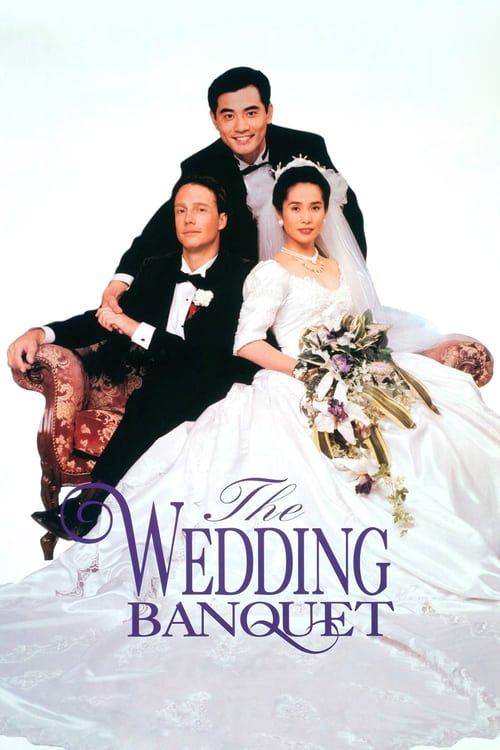
The Wedding Banquet
A Taiwanese-American man is happily settled in New York with his American boyfriend. He plans a marriage of convenience to a Chinese woman in order to keep his parents off his back and to get the woman a green card. Chaos follows when his parents arrive in New York for the wedding.
Despite its minimal budget of $875K, The Wedding Banquet became a box office phenomenon, earning $23.6M worldwide—a remarkable 2601% return. The film's unconventional structure engaged audiences, confirming that strong storytelling can transcend budget limitations.
Nominated for 1 Oscar. 13 wins & 11 nominations

Plot Structure
Story beats plotted across runtime


Narrative Arc
Emotional journey through the story's key moments
Story Circle
Blueprint 15-beat structure
Arcplot Score Breakdown
Weighted: Precision (70%) + Arc (15%) + Theme (15%)
The Wedding Banquet (1993) reveals precise narrative design, characteristic of Ang Lee's storytelling approach. This structural analysis examines how the film's 15-point plot structure maps to proven narrative frameworks across 1 hour and 48 minutes. With an Arcplot score of 6.8, the film balances conventional beats with creative variation.
Characters
Cast & narrative archetypes

Wai-Tung Gao
Simon
Wei-Wei
Mr. Gao
Mrs. Gao
Main Cast & Characters
Wai-Tung Gao
Played by Winston Chao
A gay Taiwanese-American landlord who enters a marriage of convenience to satisfy his traditional parents while maintaining his relationship with his partner Simon.
Simon
Played by Mitchell Lichtenstein
Wai-Tung's American partner who struggles with being pushed aside during the fake wedding arrangement and the strain it places on their relationship.
Wei-Wei
Played by May Chin
A struggling Chinese artist and Wai-Tung's tenant who agrees to marry him for a green card, becoming unexpectedly central to the family drama.
Mr. Gao
Played by Sihung Lung
Wai-Tung's traditional Taiwanese father, a retired military officer who desperately wants to see his son married and produce an heir before he dies.
Mrs. Gao
Played by Ah-Leh Gua
Wai-Tung's mother who travels from Taiwan with her husband, eager to see her son settled and concerned about continuing the family line.
Structural Analysis
The Status Quo at 1 minutes (1% through the runtime) establishes Wai-Tung and Simon live together as a couple in New York, maintaining appearances while Wai-Tung's parents in Taiwan pressure him to marry and produce an heir.. Structural examination shows that this early placement immediately immerses viewers in the story world.
The inciting incident occurs at 14 minutes when Wai-Tung's parents announce they're coming to America to find him a wife themselves, forcing the situation to a crisis point.. At 13% through the film, this Disruption is delayed, allowing extended setup of the story world. This beat shifts the emotional landscape, launching the protagonist into the central conflict.
The First Threshold at 26 minutes marks the transition into Act II, occurring at 24% of the runtime. This reveals the protagonist's commitment to Wai-Tung agrees to the fake marriage plan with Wei-Wei, actively choosing deception over truth and entering a world of escalating lies., moving from reaction to action.
At 55 minutes, the Midpoint arrives at 50% of the runtime—precisely centered, creating perfect narrative symmetry. Of particular interest, this crucial beat The lavish wedding banquet itself - a false victory where the deception succeeds spectacularly, but Wai-Tung and Wei-Wei consummate the marriage while drunk, creating real consequences., fundamentally raising what's at risk. The emotional intensity shifts, dividing the narrative into clear before-and-after phases.
The Collapse moment at 81 minutes (75% through) represents the emotional nadir. Here, The father suffers a heart attack - a "whiff of death" - and during recovery, it's revealed he has known the truth about Wai-Tung and Simon all along. The deception crumbles., illustrates the protagonist at their lowest point. This beat's placement in the final quarter sets up the climactic reversal.
The Second Threshold at 86 minutes initiates the final act resolution at 80% of the runtime. Wai-Tung realizes he can honor both his heritage and his truth. He accepts the pregnancy as a gift to his father while maintaining his relationship with Simon - synthesis of both worlds., demonstrating the transformation achieved throughout the journey.
Emotional Journey
The Wedding Banquet's emotional architecture traces a deliberate progression across 15 carefully calibrated beats.
Narrative Framework
This structural analysis employs a 15-point narrative structure framework that maps key story moments. By mapping The Wedding Banquet against these established plot points, we can identify how Ang Lee utilizes or subverts traditional narrative conventions. The plot point approach reveals not only adherence to structural principles but also creative choices that distinguish The Wedding Banquet within the comedy genre.
Ang Lee's Structural Approach
Among the 12 Ang Lee films analyzed on Arcplot, the average structural score is 6.8, demonstrating varied approaches to story architecture. The Wedding Banquet takes a more unconventional approach compared to the director's typical style. For comparative analysis, explore the complete Ang Lee filmography.
Comparative Analysis
Additional comedy films include The Bad Guys, Ella Enchanted and The Evening Star. For more Ang Lee analyses, see Taking Woodstock, Life of Pi and Sense and Sensibility.
Plot Points by Act
Act I
SetupStatus Quo
Wai-Tung and Simon live together as a couple in New York, maintaining appearances while Wai-Tung's parents in Taiwan pressure him to marry and produce an heir.
Theme
Simon warns Wai-Tung: "The problem is, you're not honest with them" - stating the central conflict between maintaining deception versus living authentically.
Worldbuilding
Establishment of Wai-Tung's dual existence: successful real estate businessman with Simon, dutiful son deflecting his parents' matchmaking attempts, struggling tenant Wei-Wei who needs a green card.
Disruption
Wai-Tung's parents announce they're coming to America to find him a wife themselves, forcing the situation to a crisis point.
Resistance
Simon proposes the fake marriage scheme with Wei-Wei to solve multiple problems at once. Wai-Tung resists, debates the ethics and dangers, but pressure mounts as parents' arrival looms.
Act II
ConfrontationFirst Threshold
Wai-Tung agrees to the fake marriage plan with Wei-Wei, actively choosing deception over truth and entering a world of escalating lies.
Mirror World
Wai-Tung's parents arrive and meet "the bride" Wei-Wei. The fake relationship becomes the mirror that will reflect back the truth about family, acceptance, and cultural identity.
Premise
The promise of the premise: elaborate wedding preparations spiral out of control as traditional Taiwanese customs clash with the modern American setting, creating escalating comedy and tension.
Midpoint
The lavish wedding banquet itself - a false victory where the deception succeeds spectacularly, but Wai-Tung and Wei-Wei consummate the marriage while drunk, creating real consequences.
Opposition
Complications intensify: Wei-Wei becomes pregnant, the father has a heart attack from stress, Simon feels increasingly alienated, and the web of lies becomes impossible to maintain.
Collapse
The father suffers a heart attack - a "whiff of death" - and during recovery, it's revealed he has known the truth about Wai-Tung and Simon all along. The deception crumbles.
Crisis
Wai-Tung processes the devastating revelation: his father knew and tacitly accepted him, rendering all the lies unnecessary. He must decide who he will be going forward.
Act III
ResolutionSecond Threshold
Wai-Tung realizes he can honor both his heritage and his truth. He accepts the pregnancy as a gift to his father while maintaining his relationship with Simon - synthesis of both worlds.
Synthesis
The parents prepare to return to Taiwan. Unspoken understanding replaces deception. The father signals his acceptance while the mother remains willfully blind. Wei-Wei, Wai-Tung, and Simon form an unconventional family.
Transformation
At the airport departure, the father embraces both Simon and Wai-Tung, wordlessly acknowledging the truth. Wai-Tung no longer hides, having integrated both identities into an authentic whole.