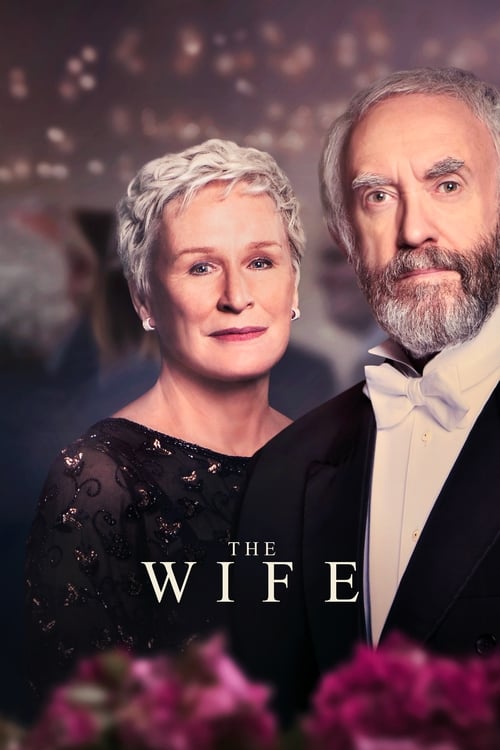
The Wife
A wife questions her life choices as she travels to Stockholm with her husband, where he is slated to receive the Nobel Prize for Literature.
Despite its tight budget of $7.0M, The Wife became a financial success, earning $20.0M worldwide—a 186% return.
Nominated for 1 Oscar. 19 wins & 30 nominations


Plot Structure
Story beats plotted across runtime


Narrative Arc
Emotional journey through the story's key moments
Story Circle
Blueprint 15-beat structure
Arcplot Score Breakdown
Weighted: Precision (70%) + Arc (15%) + Theme (15%)
The Wife (2018) showcases deliberately positioned dramatic framework, characteristic of Björn Runge's storytelling approach. This structural analysis examines how the film's 15-point plot structure maps to proven narrative frameworks across 1 hour and 40 minutes. With an Arcplot score of 7.0, the film balances conventional beats with creative variation.
Characters
Cast & narrative archetypes

Joan Castleman
Joe Castleman
David Castleman
Nathaniel Bone
Young Joan
Main Cast & Characters
Joan Castleman
Played by Glenn Close
A brilliant writer who has spent 40 years sacrificing her own talent and ambition to support her husband's literary career.
Joe Castleman
Played by Jonathan Pryce
A celebrated novelist who wins the Nobel Prize in Literature, built on decades of secrets and his wife's hidden contributions.
David Castleman
Played by Max Irons
The Castlemans' son, an aspiring writer seeking his father's approval while struggling with his own literary ambitions.
Nathaniel Bone
Played by Christian Slater
A persistent biographer determined to expose the truth about Joe Castleman's success and marriage.
Young Joan
Played by Annie Starke
Joan as a promising young writer in the 1950s, before her dreams were subsumed by her husband's career.
Structural Analysis
The Status Quo at 1 minutes (1% through the runtime) establishes Joan and Joe Castleman lie in bed when the phone call comes announcing Joe has won the Nobel Prize for Literature. Their excited celebration masks the complex power dynamic of their marriage.. Structural examination shows that this early placement immediately immerses viewers in the story world.
The inciting incident occurs at 12 minutes when Biographer Nathaniel Bone approaches Joan at the airport, revealing he's investigating the true authorship of Joe's novels. The secret Joan has kept for decades is now under threat.. At 12% through the film, this Disruption aligns precisely with traditional story structure. This beat shifts the emotional landscape, launching the protagonist into the central conflict.
The First Threshold at 25 minutes marks the transition into Act II, occurring at 25% of the runtime. This reveals the protagonist's commitment to Joan commits to accompanying Joe through Nobel week in Stockholm, choosing to play the dutiful wife one final time despite her growing resentment. She crosses into the ceremonial world., moving from reaction to action.
At 50 minutes, the Midpoint arrives at 50% of the runtime—precisely centered, creating perfect narrative symmetry. Significantly, this crucial beat Joe delivers his Nobel acceptance speech, thanking Joan only as a supportive wife, not as the creator. This false victory for Joe is a devastating moment of erasure for Joan, crystallizing her decades of sacrifice., fundamentally raising what's at risk. The emotional intensity shifts, dividing the narrative into clear before-and-after phases.
The Collapse moment at 75 minutes (75% through) represents the emotional nadir. Here, Joe suffers a massive heart attack during a confrontation with Joan. The whiff of death is literal - the man who has been the vessel for Joan's work is dying, threatening to take her secret to the grave., illustrates the protagonist at their lowest point. This beat's placement in the final quarter sets up the climactic reversal.
The Second Threshold at 80 minutes initiates the final act resolution at 80% of the runtime. Joan finally tells the dying Joe that she was going to leave him and that the world will eventually know the truth. She chooses to claim her voice, synthesizing her suppressed identity with her need for recognition., demonstrating the transformation achieved throughout the journey.
Emotional Journey
The Wife's emotional architecture traces a deliberate progression across 15 carefully calibrated beats.
Narrative Framework
This structural analysis employs systematic plot point analysis that identifies crucial turning points. By mapping The Wife against these established plot points, we can identify how Björn Runge utilizes or subverts traditional narrative conventions. The plot point approach reveals not only adherence to structural principles but also creative choices that distinguish The Wife within the drama genre.
Comparative Analysis
Additional drama films include After Thomas, South Pacific and Dirty Dancing: Havana Nights.
Plot Points by Act
Act I
SetupStatus Quo
Joan and Joe Castleman lie in bed when the phone call comes announcing Joe has won the Nobel Prize for Literature. Their excited celebration masks the complex power dynamic of their marriage.
Theme
Joe tells Joan that behind every great man is a great woman, unknowingly stating the film's central irony - Joan is not just behind him, she IS the great writer.
Worldbuilding
The Castlemans' world is established: Joe's ego and need for attention, Joan's quiet competence, their son David's resentment, and the literary establishment's celebration of Joe. Flashbacks hint at their history.
Disruption
Biographer Nathaniel Bone approaches Joan at the airport, revealing he's investigating the true authorship of Joe's novels. The secret Joan has kept for decades is now under threat.
Resistance
The journey to Stockholm begins. Flashbacks reveal young Joan as a promising writer who was told women can't succeed in literature. She debates internally whether to continue the charade or finally break free.
Act II
ConfrontationFirst Threshold
Joan commits to accompanying Joe through Nobel week in Stockholm, choosing to play the dutiful wife one final time despite her growing resentment. She crosses into the ceremonial world.
Mirror World
Nathaniel Bone confronts Joan directly, presenting evidence that she is the true author. He becomes the mirror reflecting the truth Joan has hidden, forcing her to see her sacrifice clearly.
Premise
Nobel week unfolds in Stockholm. Joan navigates the painful experience of watching Joe receive accolades for her work. Flashbacks interweave showing how their arrangement began and deepened over decades.
Midpoint
Joe delivers his Nobel acceptance speech, thanking Joan only as a supportive wife, not as the creator. This false victory for Joe is a devastating moment of erasure for Joan, crystallizing her decades of sacrifice.
Opposition
Tensions between Joan and Joe escalate dramatically. Joe's philandering is revealed, their son confronts them both, and flashbacks expose the full history of Joan surrendering her identity. The marriage crumbles.
Collapse
Joe suffers a massive heart attack during a confrontation with Joan. The whiff of death is literal - the man who has been the vessel for Joan's work is dying, threatening to take her secret to the grave.
Crisis
In the hospital, Joan sits with the dying Joe. She confronts the weight of her choices - a lifetime of brilliant work attributed to another, a marriage built on suppression, and now facing widowhood with her secret.
Act III
ResolutionSecond Threshold
Joan finally tells the dying Joe that she was going to leave him and that the world will eventually know the truth. She chooses to claim her voice, synthesizing her suppressed identity with her need for recognition.
Synthesis
Joe dies. Joan must now navigate life as the Nobel widow while carrying the truth. She deflects Nathaniel Bone's final inquiry, choosing to control her own narrative rather than let him expose it.
Transformation
Joan sits alone on the plane home, no longer the wife but the widow. Her expression reveals transformation - she holds the truth, she has spoken it, and she alone will decide what happens next. The silence is now her power.