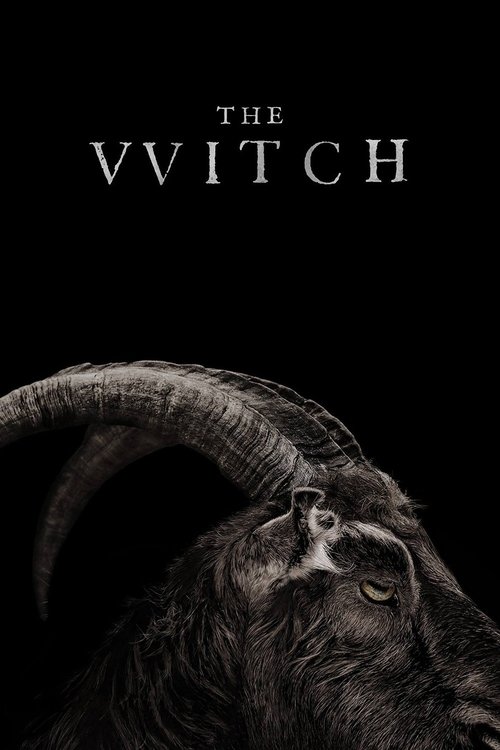
The Witch
In 1630, a farmer relocates his family to a remote plot of land on the edge of a forest where strange, unsettling things happen. With suspicion and paranoia mounting, each family member's faith, loyalty and love are tested in shocking ways.
Despite its modest budget of $4.0M, The Witch became a commercial juggernaut, earning $40.4M worldwide—a remarkable 911% return. The film's fresh perspective found its audience, confirming that strong storytelling can transcend budget limitations.
43 wins & 72 nominations


Plot Structure
Story beats plotted across runtime


Narrative Arc
Emotional journey through the story's key moments
Story Circle
Blueprint 15-beat structure
Arcplot Score Breakdown
Weighted: Precision (70%) + Arc (15%) + Theme (15%)
The Witch (2016) showcases deliberately positioned story structure, characteristic of Robert Eggers's storytelling approach. This structural analysis examines how the film's 15-point plot structure maps to proven narrative frameworks across 1 hour and 32 minutes. With an Arcplot score of 7.4, the film balances conventional beats with creative variation.
Characters
Cast & narrative archetypes

Thomasin
William
Katherine
Caleb
Jonas
Mercy
Main Cast & Characters
Thomasin
Played by Anya Taylor-Joy
The eldest daughter who becomes the family scapegoat as paranoia and religious fervor consume them.
William
Played by Ralph Ineson
The prideful patriarch whose banishment from the plantation leads his family into isolation and doom.
Katherine
Played by Kate Dickie
The grief-stricken mother who descends into madness after losing her infant son.
Caleb
Played by Harvey Scrimshaw
The adolescent son torn between emerging sexuality and religious devotion who falls victim to witchcraft.
Jonas
Played by Lucas Dawson
One of the mischievous twin children who claims to communicate with Black Phillip.
Mercy
Played by Ellie Grainger
One of the mischievous twin children who torments Thomasin with accusations of witchcraft.
Structural Analysis
The Status Quo at 1 minutes (1% through the runtime) establishes The family is banished from the Puritan plantation for William's religious pride. They stand before the council in judgment, establishing their isolation and William's righteousness as both protection and fatal flaw.. The analysis reveals that this early placement immediately immerses viewers in the story world.
The inciting incident occurs at 10 minutes when Baby Samuel disappears while under Thomasin's watch during a game of peek-a-boo. The infant vanishes in an instant, taken by the witch. This catastrophic loss fractures the family and initiates Katherine's descent into grief and paranoia.. At 11% through the film, this Disruption aligns precisely with traditional story structure. This beat shifts the emotional landscape, launching the protagonist into the central conflict.
The First Threshold at 23 minutes marks the transition into Act II, occurring at 25% of the runtime. This shows the protagonist's commitment to William and Caleb venture into the forbidden woods to check the traps, defying Katherine's wishes and their own fear. This active choice to enter the witch's domain marks their commitment to survival over safety, entering the supernatural world., moving from reaction to action.
At 45 minutes, the Midpoint arrives at 49% of the runtime—precisely centered, creating perfect narrative symmetry. Notably, this crucial beat Caleb is seduced and corrupted by the witch in the woods. This false defeat shows evil's power is real and overwhelming. The family's faith cannot protect them. Caleb returns naked, possessed, and dying—proof that their prayers are meaningless against the forces arrayed against them., fundamentally raising what's at risk. The emotional intensity shifts, dividing the narrative into clear before-and-after phases.
The Collapse moment at 67 minutes (73% through) represents the emotional nadir. Here, Caleb dies in religious ecstasy, crying out to God. William is gored to death by Black Phillip. Katherine is murdered by the twins under demonic influence. Everyone Thomasin loved is dead. The whiff of death is literal—her entire family is annihilated in minutes., demonstrates the protagonist at their lowest point. This beat's placement in the final quarter sets up the climactic reversal.
The Second Threshold at 73 minutes initiates the final act resolution at 80% of the runtime. Black Phillip speaks. He offers Thomasin a choice: die here in misery, or sign the Devil's book and "live deliciously." The synthesis—she realizes her faith brought only suffering, while the Devil offers tangible power and liberation. She asks, "What dost thou want?"., demonstrating the transformation achieved throughout the journey.
Emotional Journey
The Witch's emotional architecture traces a deliberate progression across 15 carefully calibrated beats.
Narrative Framework
This structural analysis employs a 15-point narrative structure framework that maps key story moments. By mapping The Witch against these established plot points, we can identify how Robert Eggers utilizes or subverts traditional narrative conventions. The plot point approach reveals not only adherence to structural principles but also creative choices that distinguish The Witch within the horror genre.
Robert Eggers's Structural Approach
Among the 4 Robert Eggers films analyzed on Arcplot, the average structural score is 7.2, reflecting strong command of classical structure. The Witch represents one of the director's most structurally precise works. For comparative analysis, explore the complete Robert Eggers filmography.
Comparative Analysis
Additional horror films include Thinner, A Nightmare on Elm Street and Mary Reilly. For more Robert Eggers analyses, see The Lighthouse, Nosferatu and The Northman.
Plot Points by Act
Act I
SetupStatus Quo
The family is banished from the Puritan plantation for William's religious pride. They stand before the council in judgment, establishing their isolation and William's righteousness as both protection and fatal flaw.
Theme
Katherine speaks of their "prideful conceit" and the danger of corruption. The film's thematic question is stated: can faith survive when tested by evil, or does pride doom the faithful?
Worldbuilding
The family establishes their isolated farm at the edge of the woods. We see their daily routines, William's failed crops, Thomasin caring for baby Samuel, the twins' strangeness, Caleb's emerging adolescence, and the family's devout faith structure.
Disruption
Baby Samuel disappears while under Thomasin's watch during a game of peek-a-boo. The infant vanishes in an instant, taken by the witch. This catastrophic loss fractures the family and initiates Katherine's descent into grief and paranoia.
Resistance
The family struggles with Samuel's loss. Katherine grieves inconsolably. Suspicion begins to poison relationships. Thomasin is blamed. William debates whether to return to the plantation or remain. The family prays for guidance but finds none.
Act II
ConfrontationFirst Threshold
William and Caleb venture into the forbidden woods to check the traps, defying Katherine's wishes and their own fear. This active choice to enter the witch's domain marks their commitment to survival over safety, entering the supernatural world.
Mirror World
Black Phillip, the goat, is established as a dark mirror to the family's faith. The twins claim he speaks to them. He represents the inverse of Christian devotion—a devil offering tangible power instead of absent divine protection.
Premise
The promise of the premise: Puritan paranoia meets real witchcraft. The family disintegrates under supernatural pressure. Caleb is tempted by Thomasin. William discovers his prized cup was sold. Katherine's madness deepens. The woods reveal genuine horror.
Midpoint
Caleb is seduced and corrupted by the witch in the woods. This false defeat shows evil's power is real and overwhelming. The family's faith cannot protect them. Caleb returns naked, possessed, and dying—proof that their prayers are meaningless against the forces arrayed against them.
Opposition
The family turns on itself. Caleb convulses in demonic possession. Thomasin is accused of witchcraft by her own mother. William locks up Thomasin and the twins. The family's faith becomes a weapon of paranoia. Black Phillip's influence grows. All bonds of love dissolve into suspicion.
Collapse
Caleb dies in religious ecstasy, crying out to God. William is gored to death by Black Phillip. Katherine is murdered by the twins under demonic influence. Everyone Thomasin loved is dead. The whiff of death is literal—her entire family is annihilated in minutes.
Crisis
Thomasin is alone in the darkness of the barn with Black Phillip. She has lost everything—family, faith, future. She sits in stunned silence, processing absolute desolation. Her entire world has been destroyed, and she must decide what remains.
Act III
ResolutionSecond Threshold
Black Phillip speaks. He offers Thomasin a choice: die here in misery, or sign the Devil's book and "live deliciously." The synthesis—she realizes her faith brought only suffering, while the Devil offers tangible power and liberation. She asks, "What dost thou want?"
Synthesis
Thomasin signs her name in the Devil's book. She removes her clothes, symbolic of shedding her Puritan identity. Black Phillip transforms into a dark man and leads her into the woods. She walks toward her new life, leaving behind the farm, her family's corpses, and her former self.
Transformation
Thomasin joins the witches' sabbath in the forest clearing. Naked, she levitates into the night sky, laughing in ecstatic liberation. The closing image mirrors the opening judgment—but now she is free, powerful, and reborn. Corruption as transformation is complete.