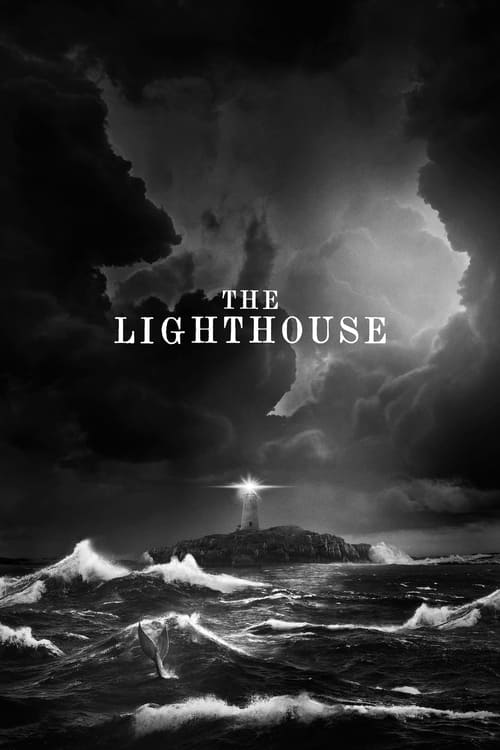
The Lighthouse
Two lighthouse keepers try to maintain their sanity while living on a remote and mysterious New England island in the 1890s.
Working with a modest budget of $11.0M, the film achieved a modest success with $18.3M in global revenue (+66% profit margin).
Nominated for 1 Oscar. 34 wins & 139 nominations


Plot Structure
Story beats plotted across runtime


Narrative Arc
Emotional journey through the story's key moments
Story Circle
Blueprint 15-beat structure
Arcplot Score Breakdown
Weighted: Precision (70%) + Arc (15%) + Theme (15%)
The Lighthouse (2019) exhibits meticulously timed plot construction, characteristic of Robert Eggers's storytelling approach. This structural analysis examines how the film's 15-point plot structure maps to proven narrative frameworks across 1 hour and 49 minutes. With an Arcplot score of 7.2, the film balances conventional beats with creative variation.
Structural Analysis
The Status Quo at 1 minutes (1% through the runtime) establishes Winslow and Wake arrive at the remote lighthouse island by boat through fog and rough seas, establishing the isolated, oppressive environment and their status as wickies beginning a four-week shift.. Significantly, this early placement immediately immerses viewers in the story world.
The inciting incident occurs at 14 minutes when A one-eyed seagull persistently harasses Winslow. Wake forbids him from harming it due to sailor superstition that gulls carry souls of dead sailors. The natural order begins to feel malevolent and supernatural.. At 13% through the film, this Disruption is delayed, allowing extended setup of the story world. This beat shifts the emotional landscape, launching the protagonist into the central conflict.
The First Threshold at 27 minutes marks the transition into Act II, occurring at 25% of the runtime. This shows the protagonist's commitment to Winslow finally drinks with Wake, abandoning his abstinence and restraint. This choice marks his decision to engage with Wake's world rather than resist it, beginning his psychological descent., moving from reaction to action.
At 53 minutes, the Midpoint arrives at 49% of the runtime—precisely centered, creating perfect narrative symmetry. Significantly, this crucial beat The relief boat fails to arrive due to the storm. Winslow and Wake realize they're trapped indefinitely with dwindling supplies. The stakes escalate from enduring four weeks to surviving an unknown duration. Wake's control over the light becomes more tyrannical., fundamentally raising what's at risk. The emotional intensity shifts, dividing the narrative into clear before-and-after phases.
The Collapse moment at 80 minutes (74% through) represents the emotional nadir. Here, Winslow confesses he allowed his former colleague Ephraim Winslow to die and assumed his identity. This admission represents the death of his false self and any remaining psychological defenses. He is fully broken., shows the protagonist at their lowest point. This beat's placement in the final quarter sets up the climactic reversal.
The Second Threshold at 87 minutes initiates the final act resolution at 80% of the runtime. Winslow kills Wake with an axe (or believes he does), burying him. Having destroyed his tormentor/companion, he claims the right to ascend to the lantern room and confront the light he's been denied - the final transgression., demonstrating the transformation achieved throughout the journey.
Emotional Journey
The Lighthouse's emotional architecture traces a deliberate progression across 15 carefully calibrated beats.
Narrative Framework
This structural analysis employs proven narrative structure principles that track dramatic progression. By mapping The Lighthouse against these established plot points, we can identify how Robert Eggers utilizes or subverts traditional narrative conventions. The plot point approach reveals not only adherence to structural principles but also creative choices that distinguish The Lighthouse within the drama genre.
Robert Eggers's Structural Approach
Among the 4 Robert Eggers films analyzed on Arcplot, the average structural score is 7.2, reflecting strong command of classical structure. The Lighthouse represents one of the director's most structurally precise works. For comparative analysis, explore the complete Robert Eggers filmography.
Comparative Analysis
Additional drama films include After Thomas, South Pacific and Dirty Dancing: Havana Nights. For more Robert Eggers analyses, see The Witch, Nosferatu and The Northman.
Plot Points by Act
Act I
SetupStatus Quo
Winslow and Wake arrive at the remote lighthouse island by boat through fog and rough seas, establishing the isolated, oppressive environment and their status as wickies beginning a four-week shift.
Theme
Wake tells Winslow: "If I had a steak, I would fuck it." Later warns about the dangers of killing seabirds. The theme of primal desire versus civilized restraint, and the superstitions that govern men's fates, is established.
Worldbuilding
Wake assigns Winslow grueling manual labor while keeping the lantern room for himself. The strict hierarchy, harsh living conditions, Wake's tyrannical control, and Winslow's growing resentment are established. Winslow finds the previous wickie's carved mermaid figurine.
Disruption
A one-eyed seagull persistently harasses Winslow. Wake forbids him from harming it due to sailor superstition that gulls carry souls of dead sailors. The natural order begins to feel malevolent and supernatural.
Resistance
Winslow attempts to maintain his sanity and composure despite Wake's abuse and the isolation. He resists drinking with Wake, tries to follow rules, and struggles with vivid dreams of mermaids and the light. His curiosity about the forbidden lantern room grows.
Act II
ConfrontationFirst Threshold
Winslow finally drinks with Wake, abandoning his abstinence and restraint. This choice marks his decision to engage with Wake's world rather than resist it, beginning his psychological descent.
Mirror World
Winslow's relationship with Wake deepens through drunken camaraderie and storytelling, but Wake also represents what Winslow might become - a man consumed by isolation and obsession. Wake becomes both companion and warning.
Premise
The promise of psychological horror unfolds: Winslow and Wake's relationship cycles between bonding and hostility. Winslow's dreams intensify with erotic mermaid visions. The storm delays their relief, trapping them. Winslow's grip on reality weakens as the days blur together.
Midpoint
The relief boat fails to arrive due to the storm. Winslow and Wake realize they're trapped indefinitely with dwindling supplies. The stakes escalate from enduring four weeks to surviving an unknown duration. Wake's control over the light becomes more tyrannical.
Opposition
Paranoia and hostility intensify. Winslow discovers Wake may be logging false reports about him. Wake reveals he knows Winslow's real name is Thomas Howard. Their fights become violent. Winslow kills the seagull. Reality and hallucination merge as Winslow sees tentacles, mermaids, and Wake as Proteus.
Collapse
Winslow confesses he allowed his former colleague Ephraim Winslow to die and assumed his identity. This admission represents the death of his false self and any remaining psychological defenses. He is fully broken.
Crisis
Winslow spirals into complete madness and despair. He and Wake engage in violent, chaotic fights. Wake tries to curse Winslow. The distinction between reality and nightmare dissolves completely. Winslow reaches his darkest psychological state.
Act III
ResolutionSecond Threshold
Winslow kills Wake with an axe (or believes he does), burying him. Having destroyed his tormentor/companion, he claims the right to ascend to the lantern room and confront the light he's been denied - the final transgression.
Synthesis
Winslow climbs the lighthouse stairs and enters the forbidden lantern room. He gazes directly into the light - the object of his obsession and desire. The light represents forbidden knowledge, divine power, or madness itself.
Transformation
Winslow lies broken at the base of the lighthouse, naked and eviscerated, being consumed by seagulls - a Promethean punishment for stealing forbidden knowledge. He has transformed from a controlled man seeking work into a mythological transgressor receiving eternal torment.