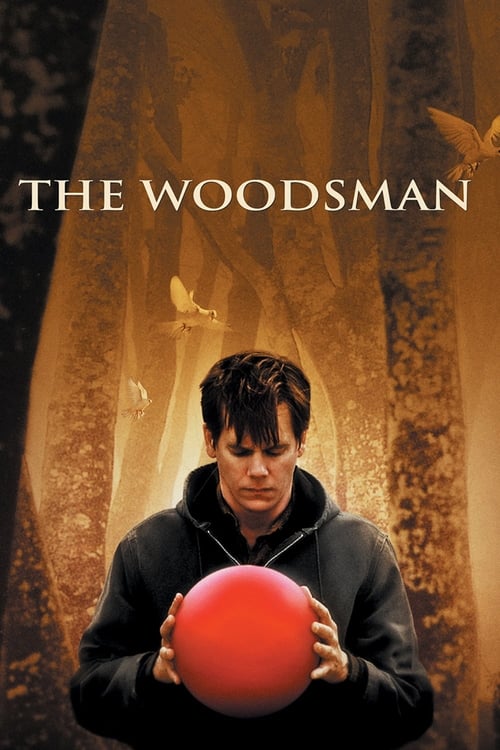
The Woodsman
After twelve years in prison, Walter returns home. His family has abandoned him, save for his brother-in-law. Few know he's a sex offender and pedophile. Walter finds an apartment and is regularly visited by his parole officer. He gets a job at a lumber mill and starts seeing a coworker. Then his new world begins to unravel; as his past becomes known, he strikes up a high-risk friendship with a young girl and realizes that a man loitering near a schoolyard is a child molester prowling for his next victim.
Working with a modest budget of $4.0M, the film achieved a steady performer with $4.7M in global revenue (+18% profit margin).
7 wins & 20 nominations


Plot Structure
Story beats plotted across runtime


Narrative Arc
Emotional journey through the story's key moments
Story Circle
Blueprint 15-beat structure
Arcplot Score Breakdown
Weighted: Precision (70%) + Arc (15%) + Theme (15%)
The Woodsman (2004) showcases strategically placed story structure, characteristic of Nicole Kassell's storytelling approach. This structural analysis examines how the film's 15-point plot structure maps to proven narrative frameworks across 1 hour and 27 minutes. With an Arcplot score of 6.8, the film balances conventional beats with creative variation.
Characters
Cast & narrative archetypes

Walter
Vickie
Carlos
Candy
Sergeant Lucas
Robin
Mary-Kay
Main Cast & Characters
Walter
Played by Kevin Bacon
A convicted pedophile recently released from prison trying to rebuild his life while battling his dark urges.
Vickie
Played by Kyra Sedgwick
A tough, wary woman who works at Walter's lumber mill and cautiously develops a relationship with him.
Carlos
Played by Benjamin Bratt
Walter's loyal coworker and only friend at the lumber mill who supports him despite knowing his past.
Candy
Played by Kevin Rice
A disturbed man who lurks near an elementary school, serving as a dark mirror to Walter's struggles.
Sergeant Lucas
Played by Mos Def
A police officer who parks outside Walter's apartment daily, creating constant pressure and surveillance.
Robin
Played by Hannah Pilkes
A young girl Walter encounters in the park who triggers his most dangerous impulses and ultimate moral test.
Mary-Kay
Played by Eve
Walter's bitter, unforgiving sister who represents his severed connection to family and normal life.
Structural Analysis
The Status Quo at 1 minutes (1% through the runtime) establishes Walter exits prison after twelve years, his face showing the weight of isolation and shame. He boards a bus alone, establishing his status as a pariah re-entering a world that doesn't want him.. The analysis reveals that this early placement immediately immerses viewers in the story world.
The inciting incident occurs at 11 minutes when Co-worker Vickie approaches Walter directly, cutting through his self-imposed isolation with unexpected warmth. Her interest disrupts his careful avoidance of human connection and forces him to confront the possibility of intimacy.. At 12% through the film, this Disruption aligns precisely with traditional story structure. This beat shifts the emotional landscape, launching the protagonist into the central conflict.
The First Threshold at 21 minutes marks the transition into Act II, occurring at 24% of the runtime. This reveals the protagonist's commitment to Walter chooses to reveal his past to Vickie, risking everything for genuine connection. She processes the information and decides to stay, marking his active choice to pursue authentic human relationship despite the danger of rejection., moving from reaction to action.
At 44 minutes, the Midpoint arrives at 50% of the runtime—precisely centered, creating perfect narrative symmetry. Of particular interest, this crucial beat Walter encounters Robin, a young girl in the park who approaches him. Their conversation forces him to confront his predatory patterns directly, as he recognizes the grooming behaviors he once employed. The stakes become viscerally real., fundamentally raising what's at risk. The emotional intensity shifts, dividing the narrative into clear before-and-after phases.
The Collapse moment at 65 minutes (74% through) represents the emotional nadir. Here, In a devastating park scene, Walter sits alone with Robin and faces the ultimate test of his character. The moment contains a whiff of death—the potential destruction of an innocent child and the death of any hope for Walter's redemption hang in the balance., reveals the protagonist at their lowest point. This beat's placement in the final quarter sets up the climactic reversal.
The Second Threshold at 69 minutes initiates the final act resolution at 79% of the runtime. Walter makes the conscious decision to protect rather than harm. He tells Robin to tell someone about her father's abuse and sends her away unharmed, choosing to break the cycle. This synthesis of his therapy, his love for Vickie, and his own victimhood transforms his path., demonstrating the transformation achieved throughout the journey.
Emotional Journey
The Woodsman's emotional architecture traces a deliberate progression across 15 carefully calibrated beats.
Narrative Framework
This structural analysis employs a 15-point narrative structure framework that maps key story moments. By mapping The Woodsman against these established plot points, we can identify how Nicole Kassell utilizes or subverts traditional narrative conventions. The plot point approach reveals not only adherence to structural principles but also creative choices that distinguish The Woodsman within the drama genre.
Comparative Analysis
Additional drama films include After Thomas, South Pacific and Dirty Dancing: Havana Nights.
Plot Points by Act
Act I
SetupStatus Quo
Walter exits prison after twelve years, his face showing the weight of isolation and shame. He boards a bus alone, establishing his status as a pariah re-entering a world that doesn't want him.
Theme
Walter's therapist asks him what he wants from his new life, probing whether genuine change is possible. The question of redemption and whether people can truly transform is posed directly.
Worldbuilding
Walter settles into his sparse apartment across from an elementary school, begins work at a lumber mill, and navigates mandatory check-ins with Sergeant Lucas. His isolation and the constant surveillance of his new existence are established.
Disruption
Co-worker Vickie approaches Walter directly, cutting through his self-imposed isolation with unexpected warmth. Her interest disrupts his careful avoidance of human connection and forces him to confront the possibility of intimacy.
Resistance
Walter debates whether to pursue a relationship with Vickie while struggling with his therapist's probing questions. He watches children from his window, wrestling with his urges, and faces Sergeant Lucas's aggressive suspicion about his intentions.
Act II
ConfrontationFirst Threshold
Walter chooses to reveal his past to Vickie, risking everything for genuine connection. She processes the information and decides to stay, marking his active choice to pursue authentic human relationship despite the danger of rejection.
Mirror World
Vickie becomes Walter's mirror, reflecting both acceptance and challenge. As their relationship deepens, she represents the possibility that he can be seen as more than his crime, embodying the thematic hope of redemption through genuine love.
Premise
Walter explores his new life with Vickie, experiencing moments of normalcy and connection. He works at the mill, attends therapy, and begins to believe change might be possible, while still battling his compulsions as he observes a man he calls "Candy" preying on children in the park.
Midpoint
Walter encounters Robin, a young girl in the park who approaches him. Their conversation forces him to confront his predatory patterns directly, as he recognizes the grooming behaviors he once employed. The stakes become viscerally real.
Opposition
Walter's fragile stability crumbles as his relationship with Vickie grows strained, Sergeant Lucas intensifies surveillance, and his encounters with Robin continue. His brother-in-law Carlos confronts him violently, and Walter discovers Robin is being abused by her father.
Collapse
In a devastating park scene, Walter sits alone with Robin and faces the ultimate test of his character. The moment contains a whiff of death—the potential destruction of an innocent child and the death of any hope for Walter's redemption hang in the balance.
Crisis
Walter processes his choice and its implications, sitting in darkness both literal and emotional. He recognizes Robin's pain as a victim mirrors his own childhood trauma, forcing him to confront the cycle of abuse he perpetuated.
Act III
ResolutionSecond Threshold
Walter makes the conscious decision to protect rather than harm. He tells Robin to tell someone about her father's abuse and sends her away unharmed, choosing to break the cycle. This synthesis of his therapy, his love for Vickie, and his own victimhood transforms his path.
Synthesis
Walter confronts "Candy" in the park, beating him savagely—channeling his rage against predators including his former self. He reconciles with his sister and accepts Sergeant Lucas's continued presence. His relationship with Vickie reaches tentative stability.
Transformation
Walter and Vickie sit together in quiet intimacy, a mirror to his isolated bus ride at the start. He is no longer alone, no longer defined solely by his crime. The transformation is fragile but real—he has chosen humanity over monstrosity.