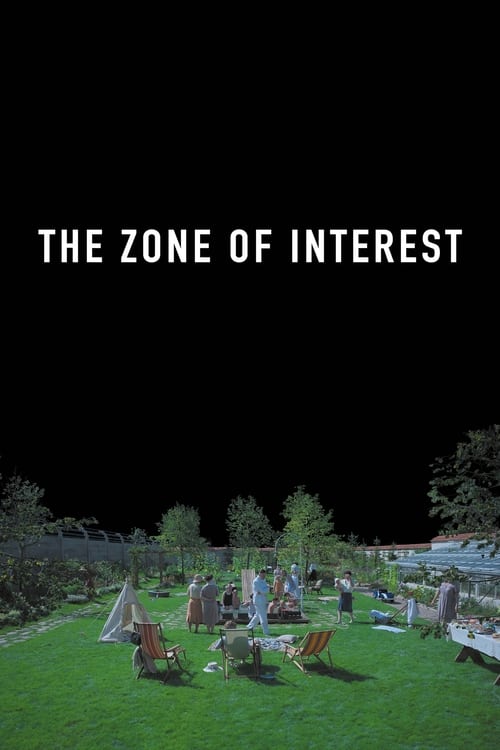
The Zone of Interest
The commandant of Auschwitz, Rudolf Höss, and his wife Hedwig, strive to build a dream life for their family in a house and garden next to the camp.
Despite a mid-range budget of $15.0M, The Zone of Interest became a box office success, earning $52.6M worldwide—a 251% return.
2 Oscars. 71 wins & 186 nominations


Plot Structure
Story beats plotted across runtime


Narrative Arc
Emotional journey through the story's key moments
Story Circle
Blueprint 15-beat structure
Arcplot Score Breakdown
Weighted: Precision (70%) + Arc (15%) + Theme (15%)
The Zone of Interest (2023) showcases strategically placed dramatic framework, characteristic of Jonathan Glazer's storytelling approach. This structural analysis examines how the film's 15-point plot structure maps to proven narrative frameworks across 1 hour and 45 minutes. With an Arcplot score of 7.1, the film balances conventional beats with creative variation.
Characters
Cast & narrative archetypes

Rudolf Höss
Hedwig Höss
Main Cast & Characters
Rudolf Höss
Played by Christian Friedel
Commandant of Auschwitz who lives with his family in a house adjacent to the camp, maintaining willful blindness to the atrocities.
Hedwig Höss
Played by Sandra Hüller
Rudolf's wife who cultivates an idyllic domestic life in their garden paradise while the camp operates just beyond the wall.
Structural Analysis
The Status Quo at 1 minutes (1% through the runtime) establishes The Höss family enjoys an idyllic picnic by the river. Children play, Hedwig and Rudolf relax in their garden paradise adjacent to Auschwitz, establishing the banality of their domestic comfort.. The analysis reveals that this early placement immediately immerses viewers in the story world.
The inciting incident occurs at 13 minutes when Rudolf is informed he's being transferred to Oranienburg for a promotion, forcing the family to leave their dream house. Hedwig resists, insisting she will not leave the life they've built.. At 12% through the film, this Disruption aligns precisely with traditional story structure. This beat shifts the emotional landscape, launching the protagonist into the central conflict.
The First Threshold at 26 minutes marks the transition into Act II, occurring at 25% of the runtime. This reveals the protagonist's commitment to Rudolf makes the decision to go to Oranienburg alone, leaving his family in Auschwitz. He chooses career over family unity, crossing into a period of separation and increased moral compromise., moving from reaction to action.
At 53 minutes, the Midpoint arrives at 50% of the runtime—precisely centered, creating perfect narrative symmetry. Structural examination shows that this crucial beat Rudolf is ordered to return to Auschwitz to oversee Operation Höss, the mass murder of Hungarian Jews. What seems like a professional victory is actually a descent into greater evil and responsibility for genocide., fundamentally raising what's at risk. The emotional intensity shifts, dividing the narrative into clear before-and-after phases.
The Collapse moment at 79 minutes (75% through) represents the emotional nadir. Here, Rudolf attends a party and suddenly leaves to vomit repeatedly on the stairs. The physical manifestation of his moral sickness breaks through his compartmentalization—his body rejects what his mind has normalized., reveals the protagonist at their lowest point. This beat's placement in the final quarter sets up the climactic reversal.
The Second Threshold at 84 minutes initiates the final act resolution at 80% of the runtime. Rudolf envisions the present-day Auschwitz museum—cleaning crews processing the evidence of genocide. This flash-forward shows his future judgment by history, a moment of clarity about consequences., demonstrating the transformation achieved throughout the journey.
Emotional Journey
The Zone of Interest's emotional architecture traces a deliberate progression across 15 carefully calibrated beats.
Narrative Framework
This structural analysis employs systematic plot point analysis that identifies crucial turning points. By mapping The Zone of Interest against these established plot points, we can identify how Jonathan Glazer utilizes or subverts traditional narrative conventions. The plot point approach reveals not only adherence to structural principles but also creative choices that distinguish The Zone of Interest within the drama genre.
Jonathan Glazer's Structural Approach
Among the 3 Jonathan Glazer films analyzed on Arcplot, the average structural score is 7.1, reflecting strong command of classical structure. The Zone of Interest takes a more unconventional approach compared to the director's typical style. For comparative analysis, explore the complete Jonathan Glazer filmography.
Comparative Analysis
Additional drama films include After Thomas, South Pacific and Dirty Dancing: Havana Nights. For more Jonathan Glazer analyses, see Birth, Under the Skin.
Plot Points by Act
Act I
SetupStatus Quo
The Höss family enjoys an idyllic picnic by the river. Children play, Hedwig and Rudolf relax in their garden paradise adjacent to Auschwitz, establishing the banality of their domestic comfort.
Theme
Hedwig shows her mother the house and garden, stating "We're living how we dreamed we would." The theme of willful blindness and compartmentalization is established through her pride in their stolen paradise.
Worldbuilding
Establishment of the Höss family's daily routine: Rudolf managing camp operations, Hedwig tending her garden with forced labor, children playing, servants working. The wall separating their domestic life from the camp's horrors is introduced.
Disruption
Rudolf is informed he's being transferred to Oranienburg for a promotion, forcing the family to leave their dream house. Hedwig resists, insisting she will not leave the life they've built.
Resistance
Rudolf negotiates between his career advancement and Hedwig's refusal to move. Domestic tensions rise as Hedwig's mother visits and abruptly leaves after realizing the proximity to atrocities. The couple debates their future.
Act II
ConfrontationFirst Threshold
Rudolf makes the decision to go to Oranienburg alone, leaving his family in Auschwitz. He chooses career over family unity, crossing into a period of separation and increased moral compromise.
Mirror World
Mysterious nighttime sequences show a young Polish girl hiding food for prisoners in the camp. She represents the film's moral conscience and thematic counterpoint to the Höss family's willful blindness.
Premise
Life continues in both locations: Hedwig maintains her domestic paradise while Rudolf works in Oranienburg. The premise explores how ordinary domesticity and industrialized murder coexist through compartmentalization and denial.
Midpoint
Rudolf is ordered to return to Auschwitz to oversee Operation Höss, the mass murder of Hungarian Jews. What seems like a professional victory is actually a descent into greater evil and responsibility for genocide.
Opposition
Rudolf returns and oversees the logistics of mass murder with bureaucratic efficiency. The sounds and evidence of atrocity increasingly intrude on domestic life. Hedwig's denial becomes more strained as reality presses against the garden wall.
Collapse
Rudolf attends a party and suddenly leaves to vomit repeatedly on the stairs. The physical manifestation of his moral sickness breaks through his compartmentalization—his body rejects what his mind has normalized.
Crisis
Rudolf stands alone in the dark stairwell, dry-heaving and confronting the void. Brief silence and darkness represent the closest he comes to acknowledging the moral abyss of his actions.
Act III
ResolutionSecond Threshold
Rudolf envisions the present-day Auschwitz museum—cleaning crews processing the evidence of genocide. This flash-forward shows his future judgment by history, a moment of clarity about consequences.
Synthesis
Rudolf returns to the hallway and descends the stairs. He returns to his work, to his family, to the continuation of atrocity. The synthesis is his choice to continue despite the momentary crack in his denial.
Transformation
Rudolf walks down a corridor at Auschwitz and looks back one final time before continuing forward. No transformation has occurred—only the confirmation of his choice to remain complicit. The final image is one of continued moral death.