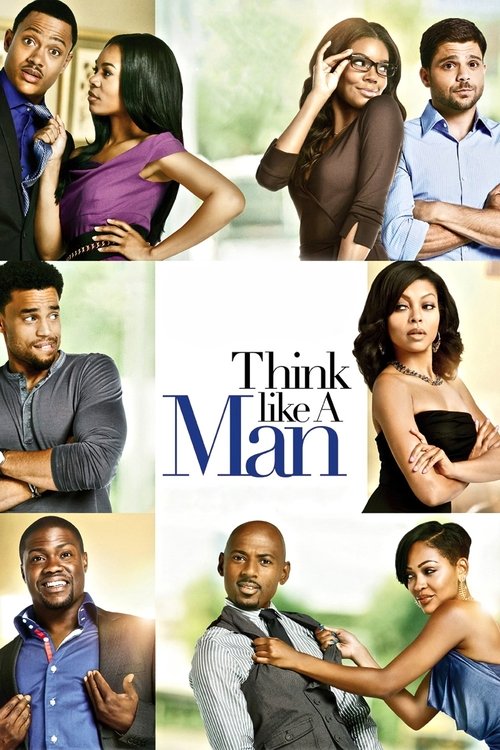
Think Like a Man
The balance of power in four couples’ relationships is upset when the women start using the advice in Steve Harvey’s book, Act Like A Lady, Think Like A Man, to get more of what they want from their men. When the men realize that the women have gotten a hold of their relationship “playbook,” they decide that the best defense is a good offense and come up with a plan to use this information to their advantage.
Despite its tight budget of $12.0M, Think Like a Man became a box office phenomenon, earning $96.1M worldwide—a remarkable 701% return. The film's unconventional structure found its audience, showing that strong storytelling can transcend budget limitations.
3 wins & 14 nominations


Plot Structure
Story beats plotted across runtime


Narrative Arc
Emotional journey through the story's key moments
Story Circle
Blueprint 15-beat structure
Arcplot Score Breakdown
Weighted: Precision (70%) + Arc (15%) + Theme (15%)
Think Like a Man (2012) demonstrates strategically placed narrative architecture, characteristic of Tim Story's storytelling approach. This structural analysis examines how the film's 15-point plot structure maps to proven narrative frameworks across 2 hours and 2 minutes. With an Arcplot score of 6.4, the film takes an unconventional approach to traditional narrative frameworks.
Characters
Cast & narrative archetypes

Dominic
Lauren
Cedric
Gail
Jeremy
Kristen
Michael
Candace
Zeke
Mya
Bennett
Main Cast & Characters
Dominic
Played by Michael Ealy
A chef and dreamer who struggles with commitment, dating Lauren while resisting defining the relationship.
Lauren
Played by Taraji P. Henson
A successful career woman who wants commitment from Dominic and uses relationship advice to get it.
Cedric
Played by Kevin Hart
A mama's boy who lives with his mother and struggles to establish independence in his relationship with Gail.
Gail
Played by Regina Hall
A strong-willed woman who demands that Cedric grow up and move out of his mother's house.
Jeremy
Played by Jerry Ferrara
A serial player and commitment-phobe who meets his match in Kristen and must choose between his lifestyle and love.
Kristen
Played by Gabrielle Union
A confident woman who turns the tables on player Jeremy by using his own tactics against him.
Michael
Played by Terrence J
A divorced man who's been hurt before and puts up walls to protect himself from getting hurt by Candace.
Candace
Played by Regina Hall
A single mother who wants honesty and commitment from Michael despite his emotional guardedness.
Zeke
Played by Romany Malco
A free-spirited personal trainer who refuses to commit to anyone, enjoying his bachelor lifestyle.
Mya
Played by Meagan Good
A successful businesswoman who wants a serious relationship with Zeke but is frustrated by his refusal to settle down.
Bennett
Played by Gary Owen
A successful businessman married to Candace, though separated, representing the traditional provider role.
Structural Analysis
The Status Quo at 1 minutes (1% through the runtime) establishes Opening montage introduces the four men and their relationship problems: Dominic the Dreamer struggles financially, Jeremy the Player juggles multiple women, Zeke the Mama's Boy lives with his mother, and Michael the Non-Committer avoids serious relationships.. Of particular interest, this early placement immediately immerses viewers in the story world.
The inciting incident occurs at 14 minutes when The women discover Steve Harvey's book and realize they can use its insights to decode the men's behavior. They form an alliance to apply the book's strategies, shifting the power dynamic in their relationships.. At 12% through the film, this Disruption aligns precisely with traditional story structure. This beat shifts the emotional landscape, launching the protagonist into the central conflict.
The First Threshold at 31 minutes marks the transition into Act II, occurring at 25% of the runtime. This illustrates the protagonist's commitment to The men discover their women are using Steve Harvey's book against them. They decide to turn the tables by reading the book themselves to anticipate the women's moves, entering into a "war of the sexes" battle of wits., moving from reaction to action.
At 61 minutes, the Midpoint arrives at 50% of the runtime—precisely centered, creating perfect narrative symmetry. Notably, this crucial beat The Las Vegas bachelor party trip marks a false victory where the men believe they've won the game. All four relationships appear to be progressing successfully, with the couples growing closer. However, the foundation is built on strategy rather than honesty., fundamentally raising what's at risk. The emotional intensity shifts, dividing the narrative into clear before-and-after phases.
The Collapse moment at 91 minutes (75% through) represents the emotional nadir. Here, At Candace and Michael's engagement party, the women discover the men have been using the book against them all along. All four relationships implode simultaneously as the mutual manipulation is revealed, resulting in a devastating mass breakup., indicates the protagonist at their lowest point. This beat's placement in the final quarter sets up the climactic reversal.
The Second Threshold at 97 minutes initiates the final act resolution at 80% of the runtime. The men realize they need to abandon the games and strategies from the book and be honest about their feelings. They recognize that genuine love requires vulnerability, not manipulation. Each man decides to fight for his relationship authentically., demonstrating the transformation achieved throughout the journey.
Emotional Journey
Think Like a Man's emotional architecture traces a deliberate progression across 15 carefully calibrated beats.
Narrative Framework
This structural analysis employs proven narrative structure principles that track dramatic progression. By mapping Think Like a Man against these established plot points, we can identify how Tim Story utilizes or subverts traditional narrative conventions. The plot point approach reveals not only adherence to structural principles but also creative choices that distinguish Think Like a Man within the comedy genre.
Tim Story's Structural Approach
Among the 10 Tim Story films analyzed on Arcplot, the average structural score is 7.2, reflecting strong command of classical structure. Think Like a Man takes a more unconventional approach compared to the director's typical style. For comparative analysis, explore the complete Tim Story filmography.
Comparative Analysis
Additional comedy films include The Bad Guys, Ella Enchanted and The Evening Star. For more Tim Story analyses, see Taxi, Think Like a Man Too and Shaft.
Plot Points by Act
Act I
SetupStatus Quo
Opening montage introduces the four men and their relationship problems: Dominic the Dreamer struggles financially, Jeremy the Player juggles multiple women, Zeke the Mama's Boy lives with his mother, and Michael the Non-Committer avoids serious relationships.
Theme
Steve Harvey's book "Act Like a Lady, Think Like a Man" is introduced as the women discuss using it to understand and manipulate men's behavior in relationships, establishing the central conflict between strategic dating and genuine connection.
Worldbuilding
Introduction of all four couples and their relationship dynamics: Dominic and Lauren (the successful career woman), Jeremy and Mya (seeking commitment), Zeke and Mya (independent single mother), and Michael and Candace (his longtime girlfriend). Each man's archetype and relationship obstacle is established.
Disruption
The women discover Steve Harvey's book and realize they can use its insights to decode the men's behavior. They form an alliance to apply the book's strategies, shifting the power dynamic in their relationships.
Resistance
The women begin implementing the book's advice with immediate success: Lauren requires Dominic to demonstrate ambition, Mya withholds sex from Jeremy, Kristen sets boundaries with Zeke, and Candace creates a 90-day probation period for Michael. The men are confused by the sudden changes.
Act II
ConfrontationFirst Threshold
The men discover their women are using Steve Harvey's book against them. They decide to turn the tables by reading the book themselves to anticipate the women's moves, entering into a "war of the sexes" battle of wits.
Mirror World
Cedric (Kevin Hart) serves as the Greek chorus and divorced mentor figure, offering comedic commentary on relationships while revealing his own vulnerability and past relationship failures, representing the cautionary tale of game-playing gone wrong.
Premise
The "war of the sexes" escalates as both sides use the book's strategies against each other. The men pretend to change while maintaining their old ways, and the women stay committed to the book's rules. Despite the manipulation, genuine moments of connection emerge, and relationships deepen even as the deception continues.
Midpoint
The Las Vegas bachelor party trip marks a false victory where the men believe they've won the game. All four relationships appear to be progressing successfully, with the couples growing closer. However, the foundation is built on strategy rather than honesty.
Opposition
Cracks appear in the deception as real feelings complicate the game-playing. Dominic lands a chef job but keeps secrets from Lauren, Michael struggles with genuine commitment fears, Jeremy's player ways resurface, and Zeke's mother creates more conflict. The weight of dishonesty grows heavier.
Collapse
At Candace and Michael's engagement party, the women discover the men have been using the book against them all along. All four relationships implode simultaneously as the mutual manipulation is revealed, resulting in a devastating mass breakup.
Crisis
Both the men and women separately process the fallout, realizing that their strategic game-playing prevented genuine vulnerability and connection. They reflect on what they truly want versus what the "rules" dictated.
Act III
ResolutionSecond Threshold
The men realize they need to abandon the games and strategies from the book and be honest about their feelings. They recognize that genuine love requires vulnerability, not manipulation. Each man decides to fight for his relationship authentically.
Synthesis
Each man makes a grand gesture demonstrating genuine change and commitment: Dominic proves his ambition and love for Lauren, Michael truly commits to Candace, Jeremy shows he's ready for monogamy with Mya, and Zeke stands up to his mother for Kristen. The women reciprocate by abandoning their own strategic approach.
Transformation
Final montage shows all four couples in healthy, honest relationships, having learned that authentic connection trumps strategy. They've grown beyond their archetypal limitations into genuine partners, proving that real love requires dropping the games.