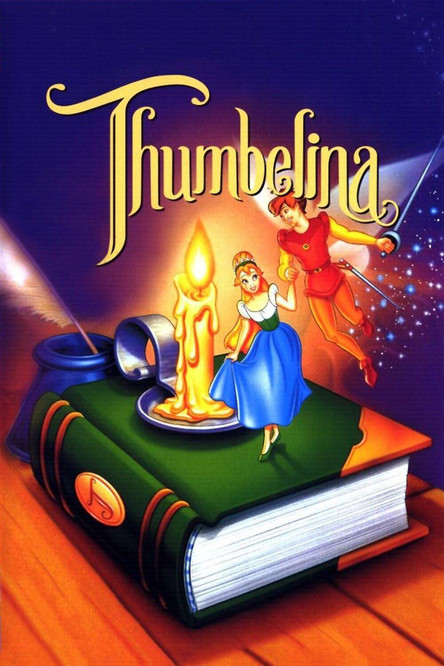
Thumbelina
Born of a flower and growing to only a couple of inches tall, poor Thumbelina is worried she'll never meet someone her own size, until she happens to catch the eye of Prince Cornelius of the Fairies. Just as soon as she finds love, however, it's torn away from her when she is kidnapped by Ms. Toad. Now Thumbelina has to escape Ms. Toad's grasp and search for Prince Cornelius. Luckily, there's a whole city of animals willing to help her.
The film disappointed at the box office against its respectable budget of $28.0M, earning $17.0M globally (-39% loss). While initial box office returns were modest, the film has gained appreciation for its distinctive approach within the animation genre.


Plot Structure
Story beats plotted across runtime


Narrative Arc
Emotional journey through the story's key moments
Story Circle
Blueprint 15-beat structure
Arcplot Score Breakdown
Weighted: Precision (70%) + Arc (15%) + Theme (15%)
Thumbelina (1994) showcases precise narrative architecture, characteristic of Don Bluth's storytelling approach. This structural analysis examines how the film's 15-point plot structure maps to proven narrative frameworks across 1 hour and 26 minutes. With an Arcplot score of 7.5, the film showcases strong structural fundamentals.
Structural Analysis
The Status Quo at 1 minutes (1% through the runtime) establishes A lonely woman wishes for a child. Thumbelina is born from a magical flower, tiny and perfect. She lives in the woman's home, longing for someone her own size to love.. Structural examination shows that this early placement immediately immerses viewers in the story world.
The inciting incident occurs at 9 minutes when Mrs. Toad and her son Grundel kidnap Thumbelina in the night, taking her away from her home and her prince. She wakes on a lily pad, trapped and terrified.. At 10% through the film, this Disruption aligns precisely with traditional story structure. This beat shifts the emotional landscape, launching the protagonist into the central conflict.
The First Threshold at 20 minutes marks the transition into Act II, occurring at 24% of the runtime. This shows the protagonist's commitment to Thumbelina meets Berkeley Beetle, who promises to help her get home. She chooses to trust him and enter his world, leaving behind her chance to wait for Cornelius., moving from reaction to action.
At 42 minutes, the Midpoint arrives at 49% of the runtime—precisely centered, creating perfect narrative symmetry. Significantly, this crucial beat Ms. Fieldmouse insists Thumbelina marry Mr. Mole, who can provide security but lives in darkness underground forever. Thumbelina is told Cornelius is dead. This false defeat makes her give up on love and accept a loveless marriage., fundamentally raising what's at risk. The emotional intensity shifts, dividing the narrative into clear before-and-after phases.
The Collapse moment at 63 minutes (74% through) represents the emotional nadir. Here, On her wedding day to Mr. Mole, Thumbelina stands at the altar about to commit to a life of darkness and loneliness. Her spirit is broken, her dreams dead. She has given up on following her heart., indicates the protagonist at their lowest point. This beat's placement in the final quarter sets up the climactic reversal.
The Second Threshold at 69 minutes initiates the final act resolution at 80% of the runtime. Thumbelina refuses to marry Mr. Mole and chooses to follow her heart. Jacquimo reveals that Cornelius is alive. She commits to finding true love rather than settling for security., demonstrating the transformation achieved throughout the journey.
Emotional Journey
Thumbelina's emotional architecture traces a deliberate progression across 15 carefully calibrated beats.
Narrative Framework
This structural analysis employs systematic plot point analysis that identifies crucial turning points. By mapping Thumbelina against these established plot points, we can identify how Don Bluth utilizes or subverts traditional narrative conventions. The plot point approach reveals not only adherence to structural principles but also creative choices that distinguish Thumbelina within the animation genre.
Don Bluth's Structural Approach
Among the 8 Don Bluth films analyzed on Arcplot, the average structural score is 7.1, reflecting strong command of classical structure. Thumbelina represents one of the director's most structurally precise works. For comparative analysis, explore the complete Don Bluth filmography.
Comparative Analysis
Additional animation films include The Bad Guys, Puss in Boots and Violet Evergarden: Eternity and the Auto Memory Doll. For more Don Bluth analyses, see The Land Before Time, The Secret of NIMH and Rock-A-Doodle.
Plot Points by Act
Act I
SetupStatus Quo
A lonely woman wishes for a child. Thumbelina is born from a magical flower, tiny and perfect. She lives in the woman's home, longing for someone her own size to love.
Theme
Jacquimo the swallow tells Thumbelina to "follow your heart" and that there's someone just right for everyone. This theme of finding where you truly belong echoes throughout the story.
Worldbuilding
Thumbelina's world is established: she lives with her adoptive mother, dreams of meeting Prince Cornelius (a fairy prince her size), and yearns for true love. She meets Cornelius and they fall instantly in love, planning to marry.
Disruption
Mrs. Toad and her son Grundel kidnap Thumbelina in the night, taking her away from her home and her prince. She wakes on a lily pad, trapped and terrified.
Resistance
Thumbelina resists Mrs. Toad's plan to marry her to Grundel. She debates whether to give up hope. Fish help her escape the lily pad. Cornelius searches for her while Thumbelina tries to find her way home.
Act II
ConfrontationFirst Threshold
Thumbelina meets Berkeley Beetle, who promises to help her get home. She chooses to trust him and enter his world, leaving behind her chance to wait for Cornelius.
Mirror World
Berkeley Beetle takes Thumbelina to the Beetle Ball, but his society rejects her for being "ugly" because she doesn't look like them. He abandons her in the forest, teaching her about superficial versus true acceptance.
Premise
Thumbelina wanders lost and alone through autumn and winter. She survives with the help of field mouse Ms. Fieldmouse, but loses hope of finding Cornelius. Meanwhile, Cornelius searches desperately but appears to die in the frozen lake.
Midpoint
Ms. Fieldmouse insists Thumbelina marry Mr. Mole, who can provide security but lives in darkness underground forever. Thumbelina is told Cornelius is dead. This false defeat makes her give up on love and accept a loveless marriage.
Opposition
Thumbelina prepares for her wedding to Mr. Mole, growing more despondent. She discovers Jacquimo injured and nurses him. The wedding day approaches. Grundel Toad continues pursuing her. All forces conspire to trap her in the wrong life.
Collapse
On her wedding day to Mr. Mole, Thumbelina stands at the altar about to commit to a life of darkness and loneliness. Her spirit is broken, her dreams dead. She has given up on following her heart.
Crisis
Thumbelina processes her despair. Jacquimo, recovered, urges her to follow her heart. She must choose between safety and true love, between giving up and believing.
Act III
ResolutionSecond Threshold
Thumbelina refuses to marry Mr. Mole and chooses to follow her heart. Jacquimo reveals that Cornelius is alive. She commits to finding true love rather than settling for security.
Synthesis
Thumbelina escapes with Jacquimo's help. Grundel Toad confronts them but is defeated. Jacquimo brings Thumbelina to the Vale of the Fairies where Cornelius (thawed and alive) waits. They reunite, and Thumbelina discovers she can become fairy-sized, finally belonging.
Transformation
Thumbelina and Cornelius marry in the Vale of the Fairies. She has wings now and has found where she truly belongs. The tiny girl who felt out of place has found her home and her love by following her heart.