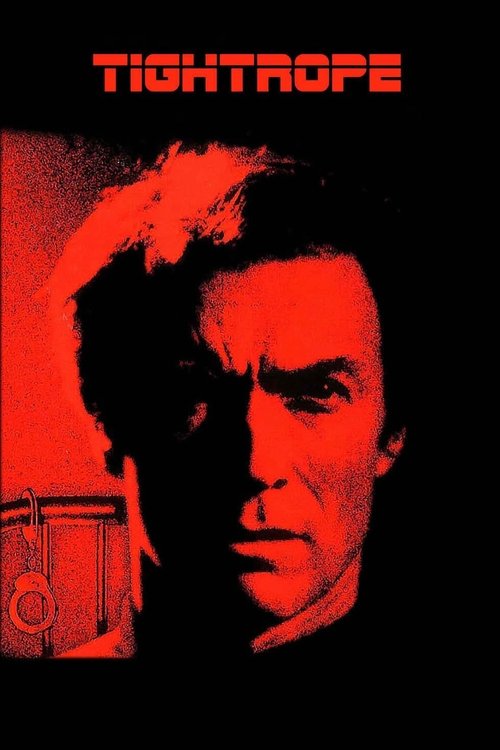
Tightrope
Wes Block is a detective who's put on the case of a serial killer whose victims are young and pretty women. The murders are getting personal when the killer chooses victims who are acquaintances of Block. Even his daughters are threatened.
The film earned $48.1M at the global box office.


Plot Structure
Story beats plotted across runtime


Narrative Arc
Emotional journey through the story's key moments
Story Circle
Blueprint 15-beat structure
Arcplot Score Breakdown
Weighted: Precision (70%) + Arc (15%) + Theme (15%)
Tightrope (1984) showcases strategically placed dramatic framework, characteristic of Richard Tuggle's storytelling approach. This structural analysis examines how the film's 15-point plot structure maps to proven narrative frameworks across 1 hour and 55 minutes. With an Arcplot score of 6.5, the film balances conventional beats with creative variation.
Characters
Cast & narrative archetypes

Wes Block
Beryl Thibodeaux
Amanda Block
Penny Block
Main Cast & Characters
Wes Block
Played by Clint Eastwood
A New Orleans detective investigating a serial killer while struggling with his own dark desires and single parenthood.
Beryl Thibodeaux
Played by Geneviève Bujold
A rape crisis counselor who becomes romantically involved with Wes while helping him understand the psychological dimensions of the case.
Amanda Block
Played by Alison Eastwood
Wes's older daughter who becomes increasingly aware of her father's emotional distance and dangerous work.
Penny Block
Played by Jennifer Beck
Wes's younger daughter who provides innocent moments of childhood normalcy amid the dark investigation.
Structural Analysis
The Status Quo at 1 minutes (1% through the runtime) establishes Detective Wes Block investigates a crime scene in New Orleans' French Quarter, establishing his methodical, isolated approach to police work while separated from his wife and raising two daughters alone.. Structural examination shows that this early placement immediately immerses viewers in the story world.
The inciting incident occurs at 14 minutes when Block discovers the killer is targeting women he himself has been with, making him both investigator and potential suspect. The case becomes deeply personal and threatening.. At 13% through the film, this Disruption is delayed, allowing extended setup of the story world. This beat shifts the emotional landscape, launching the protagonist into the central conflict.
The First Threshold at 29 minutes marks the transition into Act II, occurring at 25% of the runtime. This demonstrates the protagonist's commitment to Block chooses to actively pursue a relationship with Beryl while continuing the investigation, committing to personal growth alongside his professional duty. He enters a world where he must confront his own nature., moving from reaction to action.
At 58 minutes, the Midpoint arrives at 50% of the runtime—precisely centered, creating perfect narrative symmetry. Structural examination shows that this crucial beat Block realizes the killer knows intimate details about him and is watching him. The hunter becomes the hunted. What seemed like a routine investigation becomes a psychological battle for Block's soul and family's safety., fundamentally raising what's at risk. The emotional intensity shifts, dividing the narrative into clear before-and-after phases.
The Collapse moment at 86 minutes (75% through) represents the emotional nadir. Here, The killer attacks Block directly in his home, threatening his daughters. Block's double life has endangered everything he loves. His partner is killed, and the "whiff of death" hangs over his family and career., demonstrates the protagonist at their lowest point. This beat's placement in the final quarter sets up the climactic reversal.
The Second Threshold at 92 minutes initiates the final act resolution at 80% of the runtime. Block synthesizes detective skills with self-knowledge, using his understanding of his own darkness to predict the killer's next move. He accepts himself fully and chooses to fight for redemption., demonstrating the transformation achieved throughout the journey.
Emotional Journey
Tightrope's emotional architecture traces a deliberate progression across 15 carefully calibrated beats.
Narrative Framework
This structural analysis employs structural analysis methodology used to understand storytelling architecture. By mapping Tightrope against these established plot points, we can identify how Richard Tuggle utilizes or subverts traditional narrative conventions. The plot point approach reveals not only adherence to structural principles but also creative choices that distinguish Tightrope within the mystery genre.
Comparative Analysis
Additional mystery films include Lone Star, The Wicker Man and A Soldier's Story.
Plot Points by Act
Act I
SetupStatus Quo
Detective Wes Block investigates a crime scene in New Orleans' French Quarter, establishing his methodical, isolated approach to police work while separated from his wife and raising two daughters alone.
Theme
Beryl Thibodeaux, a rape counselor, tells Block that understanding darkness requires confronting what's inside yourself, foreshadowing his journey of self-examination.
Worldbuilding
Block's dual life is revealed: dedicated cop and single father by day, frequenter of prostitutes by night. A serial killer is murdering women in the French Quarter, using methods eerily similar to Block's own sexual proclivities.
Disruption
Block discovers the killer is targeting women he himself has been with, making him both investigator and potential suspect. The case becomes deeply personal and threatening.
Resistance
Block resists examining his own psychology while pursuing leads. He meets Beryl again, who challenges him to confront his darker impulses. He debates whether to continue his nighttime activities or change his lifestyle.
Act II
ConfrontationFirst Threshold
Block chooses to actively pursue a relationship with Beryl while continuing the investigation, committing to personal growth alongside his professional duty. He enters a world where he must confront his own nature.
Mirror World
Beryl represents healthy intimacy and emotional connection, contrasting Block's pattern of anonymous sexual encounters. She embodies the theme: wholeness requires integrating light and shadow.
Premise
Block hunts the killer through New Orleans' underworld while developing his relationship with Beryl. The investigation forces him to examine his own desires and boundaries, walking the "tightrope" between control and chaos.
Midpoint
Block realizes the killer knows intimate details about him and is watching him. The hunter becomes the hunted. What seemed like a routine investigation becomes a psychological battle for Block's soul and family's safety.
Opposition
The killer escalates, getting closer to Block's daughters. Block's own darkness threatens his relationship with Beryl as she learns about his secret life. Pressure mounts from all sides as the case grows colder and more dangerous.
Collapse
The killer attacks Block directly in his home, threatening his daughters. Block's double life has endangered everything he loves. His partner is killed, and the "whiff of death" hangs over his family and career.
Crisis
Block confronts his own culpability and shame. He must accept that his darkness attracted this evil into his life, and only by integrating his shadow can he protect those he loves.
Act III
ResolutionSecond Threshold
Block synthesizes detective skills with self-knowledge, using his understanding of his own darkness to predict the killer's next move. He accepts himself fully and chooses to fight for redemption.
Synthesis
Block confronts the killer in a brutal climactic battle that mirrors his internal struggle. He defeats the killer by accepting and controlling his own violent impulses rather than denying them, saving his daughter and Beryl.
Transformation
Block walks hand-in-hand with Beryl and his daughters in daylight, no longer divided between his public and private selves. He has integrated his shadow and emerged whole, capable of authentic intimacy.