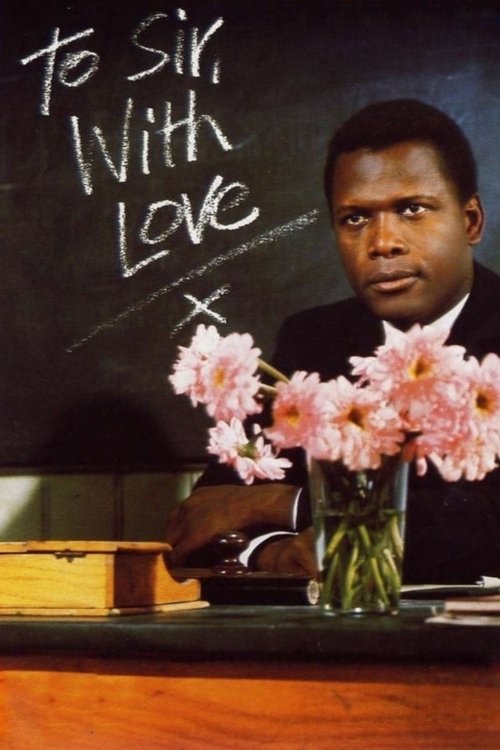
To Sir, with Love
A British Guianese engineer starts a job as a high school teacher in London’s East End, where his uninterested and delinquent pupils are in desperate need of attention and care.
Despite its extremely modest budget of $625K, To Sir, with Love became a massive hit, earning $42.4M worldwide—a remarkable 6689% return. The film's unique voice resonated with audiences, demonstrating that strong storytelling can transcend budget limitations.
1 win & 3 nominations


Plot Structure
Story beats plotted across runtime


Narrative Arc
Emotional journey through the story's key moments
Story Circle
Blueprint 15-beat structure
Arcplot Score Breakdown
Weighted: Precision (70%) + Arc (15%) + Theme (15%)
To Sir, with Love (1967) exhibits deliberately positioned dramatic framework, characteristic of James Clavell's storytelling approach. This structural analysis examines how the film's 15-point plot structure maps to proven narrative frameworks across 1 hour and 45 minutes. With an Arcplot score of 7.2, the film balances conventional beats with creative variation.
Characters
Cast & narrative archetypes

Mark Thackeray
Pamela Dare
Barbara Pegg
Denham
Gillian Blanchard
Theo Weston
Alexander Florian
Seales
Main Cast & Characters
Mark Thackeray
Played by Sidney Poitier
An engineer who takes a teaching position in London's rough East End and transforms rebellious students through respect and unconventional methods.
Pamela Dare
Played by Judy Geeson
A confident, attractive student who develops feelings for Thackeray and serves as a bridge between teacher and class.
Barbara Pegg
Played by Lulu
A troubled student dealing with family issues who becomes one of Thackeray's key success stories.
Denham
Played by Christian Roberts
The most rebellious male student who initially challenges Thackeray's authority but eventually gains respect for him.
Gillian Blanchard
Played by Suzy Kendall
A supportive fellow teacher who befriends Thackeray and provides romantic interest.
Theo Weston
Played by Geoffrey Bayldon
A cynical, burnt-out teacher who warns Thackeray about the futility of trying to reach the students.
Alexander Florian
Played by Edward Burnham
The principled but weary headmaster who gives Thackeray freedom to find his own teaching methods.
Seales
Played by Anthony Villaroel
A sensitive Black student who faces racism and whose mother's death becomes a pivotal moment in the story.
Structural Analysis
The Status Quo at 1 minutes (1% through the runtime) establishes Mark Thackeray, an educated engineer, reads rejection letters from engineering firms while riding a London bus. Establishes him as overqualified and stuck in a holding pattern, waiting for his "real" career to begin.. Structural examination shows that this early placement immediately immerses viewers in the story world.
The inciting incident occurs at 12 minutes when Students burn a sanitary napkin in the classroom stove to humiliate female teacher Miss Blanchard, reducing her to tears. Thackeray witnesses the cruelty and realizes these students are beyond traditional control - his engineering job hunt suddenly seems more appealing.. At 12% through the film, this Disruption aligns precisely with traditional story structure. This beat shifts the emotional landscape, launching the protagonist into the central conflict.
The First Threshold at 26 minutes marks the transition into Act II, occurring at 25% of the runtime. This indicates the protagonist's commitment to After students defiantly throw his lesson books in the trash, Thackeray makes an active choice: he burns the textbooks himself and declares they will learn about life, respect, and adulthood instead of rote curriculum. He commits to treating them as adults, not children., moving from reaction to action.
At 51 minutes, the Midpoint arrives at 49% of the runtime—precisely centered, creating perfect narrative symmetry. Structural examination shows that this crucial beat False victory: The class participates enthusiastically in a school dance/social event that Thackeray organizes. Students demonstrate newfound maturity and respect. He believes he's succeeded - but this success makes his upcoming departure for an engineering job more complicated. Stakes raise: he's becoming emotionally attached., fundamentally raising what's at risk. The emotional intensity shifts, dividing the narrative into clear before-and-after phases.
The Collapse moment at 77 minutes (74% through) represents the emotional nadir. Here, Denham's mother's funeral: Thackeray attends, but the students who show up are turned away by the working-class community for being "too rough." Thackeray realizes respect in the classroom isn't enough - societal prejudice runs deeper. His teaching feels futile. The "whiff of death" is literal (the funeral) and metaphorical (death of his idealism)., shows the protagonist at their lowest point. This beat's placement in the final quarter sets up the climactic reversal.
The Second Threshold at 83 minutes initiates the final act resolution at 79% of the runtime. Students present Thackeray with a farewell gift at the end-of-term celebration - but it's not farewell. Their genuine affection and transformation break through his doubt. He realizes the synthesis: teaching isn't about changing society overnight; it's about changing individuals who will change society. He tears up his engineering job acceptance letter., demonstrating the transformation achieved throughout the journey.
Emotional Journey
To Sir, with Love's emotional architecture traces a deliberate progression across 15 carefully calibrated beats.
Narrative Framework
This structural analysis employs proven narrative structure principles that track dramatic progression. By mapping To Sir, with Love against these established plot points, we can identify how James Clavell utilizes or subverts traditional narrative conventions. The plot point approach reveals not only adherence to structural principles but also creative choices that distinguish To Sir, with Love within the drama genre.
Comparative Analysis
Additional drama films include After Thomas, South Pacific and Dirty Dancing: Havana Nights.
Plot Points by Act
Act I
SetupStatus Quo
Mark Thackeray, an educated engineer, reads rejection letters from engineering firms while riding a London bus. Establishes him as overqualified and stuck in a holding pattern, waiting for his "real" career to begin.
Theme
The headmaster tells Thackeray: "Teaching is a profession where you must earn respect, not demand it." This encapsulates the film's central question: How do we bridge divides of class, race, and experience through mutual human dignity?
Worldbuilding
Thackeray arrives at North Quay Secondary School in London's East End. Meets fellow teachers and observes the unruly senior class - working-class students on the verge of leaving school. The previous teacher quit; students are rebellious, dismissive, and divided by adolescent social hierarchies.
Disruption
Students burn a sanitary napkin in the classroom stove to humiliate female teacher Miss Blanchard, reducing her to tears. Thackeray witnesses the cruelty and realizes these students are beyond traditional control - his engineering job hunt suddenly seems more appealing.
Resistance
Thackeray struggles with conventional teaching methods. Students mock him, ignore assignments, and test his authority. He debates quitting, waiting for engineering offers. Fellow teacher Gillian Blanchard offers friendship but also represents the burnout he might face. He resists emotional investment.
Act II
ConfrontationFirst Threshold
After students defiantly throw his lesson books in the trash, Thackeray makes an active choice: he burns the textbooks himself and declares they will learn about life, respect, and adulthood instead of rote curriculum. He commits to treating them as adults, not children.
Mirror World
Gillian Blanchard and Thackeray grow closer; she represents the thematic mirror - a white colleague who must also earn respect in this difficult environment. Their developing relationship explores respect across racial and social boundaries, embodying the theme on a personal level.
Premise
The "promise of the premise" - watching Thackeray revolutionize the classroom. He teaches life skills: job interviews, self-respect, addressing each other as "Miss" and "Mister." Students gradually respond. Boxing lessons, museum trips, discussions of sex and relationships. Small victories accumulate as walls break down.
Midpoint
False victory: The class participates enthusiastically in a school dance/social event that Thackeray organizes. Students demonstrate newfound maturity and respect. He believes he's succeeded - but this success makes his upcoming departure for an engineering job more complicated. Stakes raise: he's becoming emotionally attached.
Opposition
Challenges intensify: Student Pamela Dare develops an inappropriate crush on Thackeray, creating tension. Her mother visits, accusatory. Outside society's racism surfaces when Thackeray and Gillian face prejudice. Student Denham's mother dies; Thackeray must confront grief. An engineering job offer finally arrives - his exit strategy materializes just as he's bonding with students.
Collapse
Denham's mother's funeral: Thackeray attends, but the students who show up are turned away by the working-class community for being "too rough." Thackeray realizes respect in the classroom isn't enough - societal prejudice runs deeper. His teaching feels futile. The "whiff of death" is literal (the funeral) and metaphorical (death of his idealism).
Crisis
Thackeray processes his dark night - questioning whether he's made any real difference. The engineering offer sits on his desk. He withdraws emotionally, going through motions. Students notice the distance. He contemplates leaving teaching forever.
Act III
ResolutionSecond Threshold
Students present Thackeray with a farewell gift at the end-of-term celebration - but it's not farewell. Their genuine affection and transformation break through his doubt. He realizes the synthesis: teaching isn't about changing society overnight; it's about changing individuals who will change society. He tears up his engineering job acceptance letter.
Synthesis
The finale: Graduation day and final goodbyes. Students have grown into young adults ready to face the world. Thackeray accepts his calling as a teacher. He and Gillian's relationship solidifies. The students depart with dignity, respect earned on both sides. Thackeray stays behind in the classroom.
Transformation
Final image mirrors the opening: Thackeray at his desk, but transformed. No longer waiting for another life to begin - he's found his purpose. The classroom, once a prison, is now his calling. He picks up a book to prepare for next term, fully committed to teaching.