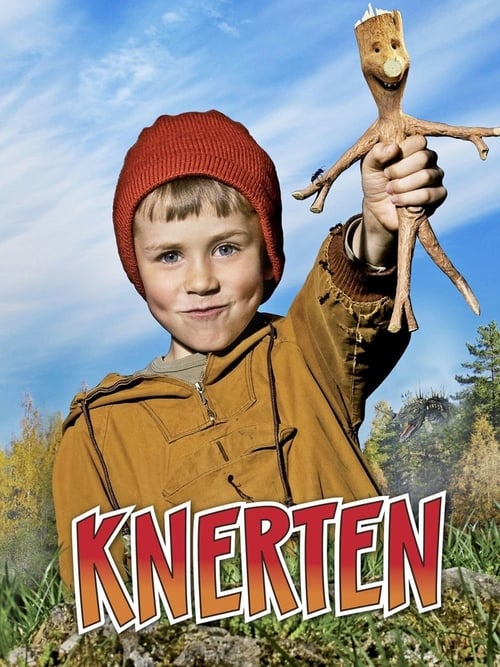
Twigson
Tough, naughty, quick-witted and brave Lillebror has just moved, and has not made any new friends yet, when his imaginary friend – the wooden twig Knerten – appears in the middle of a pile of firewood...
The film earned $4.4M at the global box office.
Plot Structure
Story beats plotted across runtime


Narrative Arc
Emotional journey through the story's key moments
Story Circle
Blueprint 15-beat structure
Arcplot Score Breakdown
Weighted: Precision (70%) + Arc (15%) + Theme (15%)
Twigson (2009) exemplifies carefully calibrated plot construction, characteristic of Åsleik Engmark's storytelling approach. This structural analysis examines how the film's 15-point plot structure maps to proven narrative frameworks across 1 hour and 15 minutes. With an Arcplot score of 7.1, the film balances conventional beats with creative variation.
Structural Analysis
The Status Quo at 1 minutes (1% through the runtime) establishes Lillebror is lonely in the city, friendless and withdrawn. He lives in a small apartment with his mother, longing for connection but finding none among the urban children.. The analysis reveals that this early placement immediately immerses viewers in the story world.
The inciting incident occurs at 9 minutes when They arrive at the rural house - a dilapidated, unfamiliar environment. Lillebror is even more isolated here than in the city, with no children around and unfamiliar countryside surroundings.. At 12% through the film, this Disruption aligns precisely with traditional story structure. This beat shifts the emotional landscape, launching the protagonist into the central conflict.
The First Threshold at 19 minutes marks the transition into Act II, occurring at 25% of the runtime. This indicates the protagonist's commitment to Lillebror fully embraces Twigson as his friend and companion, choosing to enter an imaginative world where he is no longer alone. He actively decides to make this friendship real in his mind., moving from reaction to action.
At 37 minutes, the Midpoint arrives at 50% of the runtime—precisely centered, creating perfect narrative symmetry. Significantly, this crucial beat Lillebror experiences a moment of pure joy and belonging - he's accepted by Karoline and other children, seemingly having it all: his imaginary friend and real friends. False victory: he hasn't yet learned to balance imagination with reality., fundamentally raising what's at risk. The emotional intensity shifts, dividing the narrative into clear before-and-after phases.
The Collapse moment at 56 minutes (75% through) represents the emotional nadir. Here, In a devastating moment, Lillebror loses Twigson (the twig is destroyed or lost). His imaginary friend - his security blanket and coping mechanism - is gone. He's forced to face reality without his shield., illustrates the protagonist at their lowest point. This beat's placement in the final quarter sets up the climactic reversal.
The Second Threshold at 60 minutes initiates the final act resolution at 80% of the runtime. Lillebror realizes that Twigson gave him the confidence to be himself, and that strength remains even without the twig. He understands that imagination and reality can coexist - he can honor his inner world while embracing real connections., demonstrating the transformation achieved throughout the journey.
Emotional Journey
Twigson's emotional architecture traces a deliberate progression across 15 carefully calibrated beats.
Narrative Framework
This structural analysis employs proven narrative structure principles that track dramatic progression. By mapping Twigson against these established plot points, we can identify how Åsleik Engmark utilizes or subverts traditional narrative conventions. The plot point approach reveals not only adherence to structural principles but also creative choices that distinguish Twigson within the adventure genre.
Comparative Analysis
Additional adventure films include Harry Potter and the Philosopher's Stone, The Bad Guys and Zoom.
Plot Points by Act
Act I
SetupStatus Quo
Lillebror is lonely in the city, friendless and withdrawn. He lives in a small apartment with his mother, longing for connection but finding none among the urban children.
Theme
Lillebror's mother tells him that "sometimes the best friends are the ones you make yourself" - hinting at the power of imagination and self-reliance in creating happiness.
Worldbuilding
Establishing Lillebror's isolated urban life, his relationship with his single mother, his struggles at school, and the announcement that they will move to the countryside for the summer - a world completely foreign to him.
Disruption
They arrive at the rural house - a dilapidated, unfamiliar environment. Lillebror is even more isolated here than in the city, with no children around and unfamiliar countryside surroundings.
Resistance
Lillebror resists the countryside, feeling even more alone. He discovers a small twig that becomes Twigson (Knerten), his imaginary friend. He debates whether this new life can work.
Act II
ConfrontationFirst Threshold
Lillebror fully embraces Twigson as his friend and companion, choosing to enter an imaginative world where he is no longer alone. He actively decides to make this friendship real in his mind.
Mirror World
Lillebror meets Karoline, a real girl his age who lives nearby. She represents the possibility of genuine human connection, challenging whether imagination is enough or if real friendship is necessary.
Premise
The fun of having Twigson - adventures in the countryside, exploring nature, imaginative play. Lillebror learns to navigate rural life, slowly opens up, and begins developing a tentative friendship with Karoline alongside his bond with Twigson.
Midpoint
Lillebror experiences a moment of pure joy and belonging - he's accepted by Karoline and other children, seemingly having it all: his imaginary friend and real friends. False victory: he hasn't yet learned to balance imagination with reality.
Opposition
Other children mock Lillebror for Twigson, calling him babyish. Karoline begins to distance herself. Lillebror faces the pressure to choose between his imagination and social acceptance. Conflicts intensify as he's torn between two worlds.
Collapse
In a devastating moment, Lillebror loses Twigson (the twig is destroyed or lost). His imaginary friend - his security blanket and coping mechanism - is gone. He's forced to face reality without his shield.
Crisis
Lillebror mourns the loss of Twigson, feeling truly alone. He processes what Twigson meant to him and contemplates whether he can exist without his imaginary friend, whether he's strong enough to face the world on his own.
Act III
ResolutionSecond Threshold
Lillebror realizes that Twigson gave him the confidence to be himself, and that strength remains even without the twig. He understands that imagination and reality can coexist - he can honor his inner world while embracing real connections.
Synthesis
Lillebror reconciles with Karoline and the other children, being authentic about his imagination while also being present with them. He demonstrates his growth by helping others, showing creativity and confidence born from his journey with Twigson.
Transformation
Lillebror, now confident and surrounded by real friends, still honors his imagination. He's no longer the lonely, withdrawn city boy - he's integrated both worlds, showing that growing up doesn't mean abandoning wonder.