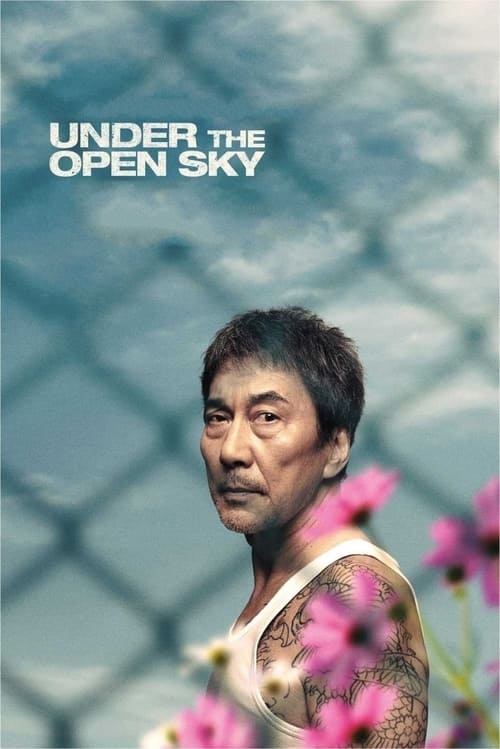
Under the Open Sky
Mikami, an ex-yakuza of middle age with most of his life in prison, gets released after serving 13 years of sentence for murder. Hoping to find his long lost mother, from whom he was separated as a child, he applies for a TV show and meets a young TV director Tsunoda. Meanwhile, he struggles to get a proper job and fit into society. His impulsive, adamant nature and ingrained beliefs cause friction in his relationship with Tsunoda and those who want to help him.
The film earned $4.7M at the global box office.

Plot Structure
Story beats plotted across runtime


Narrative Arc
Emotional journey through the story's key moments
Story Circle
Blueprint 15-beat structure
Arcplot Score Breakdown
Weighted: Precision (70%) + Arc (15%) + Theme (15%)
Under the Open Sky (2021) exhibits strategically placed story structure, characteristic of Miwa Nishikawa's storytelling approach. This structural analysis examines how the film's 15-point plot structure maps to proven narrative frameworks across 2 hours and 6 minutes. With an Arcplot score of 6.7, the film balances conventional beats with creative variation.
Characters
Cast & narrative archetypes

Mikami
Tsunoda
Shinosuke
Kaneko
Yoshiko
Main Cast & Characters
Mikami
Played by Koji Yakusho
A 63-year-old ex-yakuza member released after 13 years in prison, struggling to reintegrate into society and find legitimate work.
Tsunoda
Played by Taiga Nakano
Mikami's supportive parole officer who helps guide him through the challenges of reentry.
Shinosuke
Played by Min Tanaka
Mikami's old yakuza friend who offers him an easier path back to crime.
Kaneko
Played by Akira Emoto
A kind-hearted man who runs a small recycling business and gives Mikami a chance at honest work.
Yoshiko
Played by Yuko Tanaka
A woman Mikami connects with romantically, offering hope for a normal life.
Structural Analysis
The Status Quo at 1 minutes (1% through the runtime) establishes Mikami is released from prison after 13 years, stepping into a world that has completely transformed during his incarceration. He stands uncertain and displaced at the prison gates.. Notably, this early placement immediately immerses viewers in the story world.
The inciting incident occurs at 15 minutes when Mikami is repeatedly denied housing due to his criminal record. The landlords' rejections make it clear that his past will follow him everywhere, threatening his ability to reintegrate.. At 12% through the film, this Disruption aligns precisely with traditional story structure. This beat shifts the emotional landscape, launching the protagonist into the central conflict.
The First Threshold at 32 minutes marks the transition into Act II, occurring at 25% of the runtime. This indicates the protagonist's commitment to Mikami makes the active choice to truly commit to building a new life. He decides to persist despite the rejections and actively seeks connection with his estranged family., moving from reaction to action.
At 64 minutes, the Midpoint arrives at 50% of the runtime—precisely centered, creating perfect narrative symmetry. Significantly, this crucial beat Mikami secures stable employment and housing, achieving a false victory. He believes he's finally made it, but the deeper challenges of acceptance and inner redemption remain unresolved., fundamentally raising what's at risk. The emotional intensity shifts, dividing the narrative into clear before-and-after phases.
The Collapse moment at 95 minutes (76% through) represents the emotional nadir. Here, Mikami faces a devastating setback when his past is exposed at work or in his community. The fragile life he's built threatens to collapse. He contemplates whether redemption is even possible., shows the protagonist at their lowest point. This beat's placement in the final quarter sets up the climactic reversal.
The Second Threshold at 102 minutes initiates the final act resolution at 81% of the runtime. Mikami realizes that redemption isn't about erasing the past but accepting it while choosing to move forward. He understands that his worth isn't defined solely by society's judgment., demonstrating the transformation achieved throughout the journey.
Emotional Journey
Under the Open Sky's emotional architecture traces a deliberate progression across 15 carefully calibrated beats.
Narrative Framework
This structural analysis employs a 15-point narrative structure framework that maps key story moments. By mapping Under the Open Sky against these established plot points, we can identify how Miwa Nishikawa utilizes or subverts traditional narrative conventions. The plot point approach reveals not only adherence to structural principles but also creative choices that distinguish Under the Open Sky within the crime genre.
Comparative Analysis
Additional crime films include The Bad Guys, Rustom and The Whole Ten Yards.
Plot Points by Act
Act I
SetupStatus Quo
Mikami is released from prison after 13 years, stepping into a world that has completely transformed during his incarceration. He stands uncertain and displaced at the prison gates.
Theme
Mikami's parole officer explains the harsh reality: "Society doesn't easily forgive people like you." The theme of redemption, forgiveness, and social reintegration is established.
Worldbuilding
Mikami navigates the bewildering modern world with outdated skills. He struggles with technology, finding employment, securing housing, and confronting bureaucratic obstacles that prevent ex-convicts from normal life.
Disruption
Mikami is repeatedly denied housing due to his criminal record. The landlords' rejections make it clear that his past will follow him everywhere, threatening his ability to reintegrate.
Resistance
Mikami reluctantly accepts help from his parole officer and other support figures. He debates whether to continue fighting for normalcy or give up. Small acts of kindness from strangers offer hope.
Act II
ConfrontationFirst Threshold
Mikami makes the active choice to truly commit to building a new life. He decides to persist despite the rejections and actively seeks connection with his estranged family.
Mirror World
Mikami reconnects with his younger brother, who represents the family and normal life he lost. This relationship becomes the emotional core that will teach him about forgiveness and belonging.
Premise
Mikami explores his new life: finding work, navigating relationships, experiencing modern Japan. He discovers small joys and moments of human connection that make freedom meaningful.
Midpoint
Mikami secures stable employment and housing, achieving a false victory. He believes he's finally made it, but the deeper challenges of acceptance and inner redemption remain unresolved.
Opposition
Past traumas resurface. Mikami's criminal history threatens his new life. Relationships become strained as he struggles with his identity as an ex-convict. Society's judgment intensifies.
Collapse
Mikami faces a devastating setback when his past is exposed at work or in his community. The fragile life he's built threatens to collapse. He contemplates whether redemption is even possible.
Crisis
Mikami sits with his darkest thoughts, processing the weight of his past and the difficulty of moving forward. He must decide if he has the strength to continue or if he should retreat.
Act III
ResolutionSecond Threshold
Mikami realizes that redemption isn't about erasing the past but accepting it while choosing to move forward. He understands that his worth isn't defined solely by society's judgment.
Synthesis
Mikami takes concrete steps to reconcile with his past and embrace his future. He confronts his demons, makes peace with family, and demonstrates his transformed character through action.
Transformation
Mikami stands under the open sky, a free man not just physically but emotionally and spiritually. The final image mirrors the opening but shows profound internal transformation and acceptance.