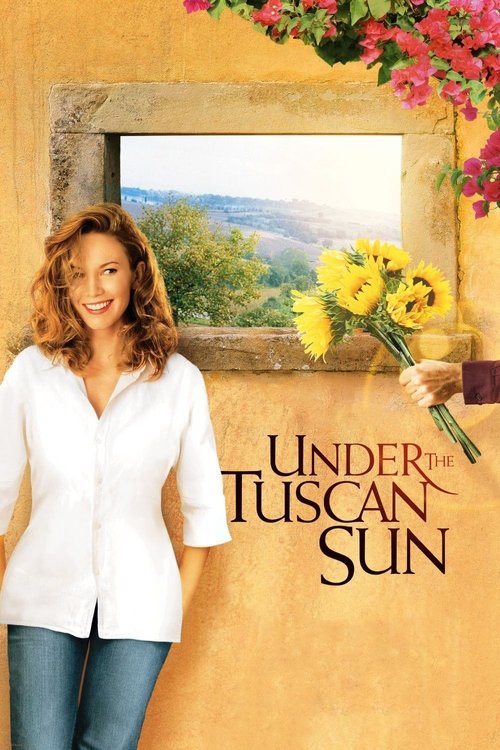
Under the Tuscan Sun
After a rough divorce, Frances, a 35-year-old professor and writer from San Francisco takes a tour of Tuscany at the urgings of her friends. On a whim she buys Bramasole, a run down villa in the Tuscan countryside and begins to piece her life together starting with the villa and finds that life sometimes has unexpected ways of giving her everything she wanted.
Despite a respectable budget of $18.0M, Under the Tuscan Sun became a commercial success, earning $58.9M worldwide—a 227% return.


Plot Structure
Story beats plotted across runtime


Narrative Arc
Emotional journey through the story's key moments
Story Circle
Blueprint 15-beat structure
Arcplot Score Breakdown
Weighted: Precision (70%) + Arc (15%) + Theme (15%)
Under the Tuscan Sun (2003) demonstrates carefully calibrated story structure, characteristic of Audrey Wells's storytelling approach. This structural analysis examines how the film's 15-point plot structure maps to proven narrative frameworks across 1 hour and 53 minutes. With an Arcplot score of 7.2, the film balances conventional beats with creative variation.
Characters
Cast & narrative archetypes

Frances Mayes
Marcello
Patti
Katherine
Ed
Main Cast & Characters
Frances Mayes
Played by Diane Lane
A recently divorced writer who impulsively buys a villa in Tuscany and rebuilds her life
Marcello
Played by Raoul Bova
A charming Italian realtor who helps Frances settle into Tuscan life and becomes a romantic interest
Patti
Played by Sandra Oh
Frances's best friend and pregnant lesbian who provides emotional support and comic relief
Katherine
Played by Lindsay Duncan
A quirky British eccentric living in Tuscany who befriends Frances and offers unconventional wisdom
Ed
Played by Jeffrey Tambor
Frances's ex-husband, a writer who left her for another woman, triggering her journey
Structural Analysis
The Status Quo at 1 minutes (1% through the runtime) establishes Frances teaches a creative writing class in San Francisco, appearing confident and successful, but we soon discover her marriage is falling apart as her husband is leaving her for another woman.. The analysis reveals that this early placement immediately immerses viewers in the story world.
The inciting incident occurs at 13 minutes when Patti gives Frances a ticket for a "gay and lesbian tour of Tuscany" as a birthday present, insisting she needs to get away and start fresh. Frances is reluctant but her friend won't take no for an answer.. At 12% through the film, this Disruption aligns precisely with traditional story structure. This beat shifts the emotional landscape, launching the protagonist into the central conflict.
The First Threshold at 28 minutes marks the transition into Act II, occurring at 25% of the runtime. This reveals the protagonist's commitment to Frances makes the impulsive, life-changing decision to buy the dilapidated villa "Bramasole" in Cortona. This is her active choice to enter a new world and new life, leaving her old identity behind., moving from reaction to action.
At 57 minutes, the Midpoint arrives at 50% of the runtime—precisely centered, creating perfect narrative symmetry. Significantly, this crucial beat False defeat: Frances has a passionate affair with a mysterious Italian man, Marcello, only to discover he's involved with someone else. She realizes she's still vulnerable and that simply changing locations hasn't healed her broken heart. The stakes raise: physical renovation isn't enough; she needs internal transformation., fundamentally raising what's at risk. The emotional intensity shifts, dividing the narrative into clear before-and-after phases.
The Collapse moment at 84 minutes (75% through) represents the emotional nadir. Here, Frances breaks down at the wedding celebration, feeling utterly alone despite being surrounded by love and community. She confesses to Katherine that she wanted a wedding, a family, and writing at her villa, but none of it is happening the way she hoped. Her dream seems dead., reveals the protagonist at their lowest point. This beat's placement in the final quarter sets up the climactic reversal.
The Second Threshold at 91 minutes initiates the final act resolution at 81% of the runtime. Katherine reveals she's dying but has found peace with her life and the love she's experienced. Frances realizes her wishes HAVE come true, just not as she expected: there WAS a wedding (the Polish workers), there WILL be a family (Patti's baby comes to visit), and she HAS been writing. She synthesizes the theme: life gives you what you need., demonstrating the transformation achieved throughout the journey.
Emotional Journey
Under the Tuscan Sun's emotional architecture traces a deliberate progression across 15 carefully calibrated beats.
Narrative Framework
This structural analysis employs structural analysis methodology used to understand storytelling architecture. By mapping Under the Tuscan Sun against these established plot points, we can identify how Audrey Wells utilizes or subverts traditional narrative conventions. The plot point approach reveals not only adherence to structural principles but also creative choices that distinguish Under the Tuscan Sun within the romance genre.
Comparative Analysis
Additional romance films include South Pacific, Dirty Dancing: Havana Nights and The Evening Star.
Plot Points by Act
Act I
SetupStatus Quo
Frances teaches a creative writing class in San Francisco, appearing confident and successful, but we soon discover her marriage is falling apart as her husband is leaving her for another woman.
Theme
Patti, Frances's best friend and pregnant lesbian partner, tells her: "Between Austria and Italy, there is a section of the Alps called the Semmering. They say there's no way to build a train track over it, but they built it anyway. They didn't know how it would end, they just knew they had to get started." Theme of taking leaps of faith without knowing the destination.
Worldbuilding
Frances is devastated by her divorce. Her friends Patti and Grace try to help her heal. We see her world crumbling: empty house, depression, inability to write. She is stuck in her grief and feels her life is over at this point.
Disruption
Patti gives Frances a ticket for a "gay and lesbian tour of Tuscany" as a birthday present, insisting she needs to get away and start fresh. Frances is reluctant but her friend won't take no for an answer.
Resistance
Frances debates whether to go on the trip. She resists change and healing. The tour begins in Italy, and despite her resistance, she is drawn into the beauty of Tuscany. On a bus ride, she impulsively sees a villa for sale and feels an inexplicable pull toward it.
Act II
ConfrontationFirst Threshold
Frances makes the impulsive, life-changing decision to buy the dilapidated villa "Bramasole" in Cortona. This is her active choice to enter a new world and new life, leaving her old identity behind.
Mirror World
Frances meets Marcello, a charming Italian who becomes her contractor and friend. He represents the Italian philosophy of life, love, and living in the moment. Also introduction to Katherine, an older British writer who embodies wisdom about life's unexpected paths.
Premise
The promise of the premise: Frances renovates the villa with colorful Polish workers, explores Tuscany, attends festivals, tries to write again, and begins to heal. She experiences the beauty, romance, and culture of Italy. Brief romantic encounters (including one with handsome Marcello) show her opening up but still guarded.
Midpoint
False defeat: Frances has a passionate affair with a mysterious Italian man, Marcello, only to discover he's involved with someone else. She realizes she's still vulnerable and that simply changing locations hasn't healed her broken heart. The stakes raise: physical renovation isn't enough; she needs internal transformation.
Opposition
Frances faces mounting challenges: renovation problems, loneliness returns, financial pressures, and watching others find love while she remains alone. Her Polish workers fall in love and plan to marry at her villa. Katherine reveals her own romantic struggles. Frances realizes her wish list (wedding, family, writing) seems impossible.
Collapse
Frances breaks down at the wedding celebration, feeling utterly alone despite being surrounded by love and community. She confesses to Katherine that she wanted a wedding, a family, and writing at her villa, but none of it is happening the way she hoped. Her dream seems dead.
Crisis
Frances sits in her dark night, questioning everything. She contemplates whether her impulsive decision was a mistake. Winter comes to Tuscany, mirroring her internal desolation. She processes her grief and expectations versus reality.
Act III
ResolutionSecond Threshold
Katherine reveals she's dying but has found peace with her life and the love she's experienced. Frances realizes her wishes HAVE come true, just not as she expected: there WAS a wedding (the Polish workers), there WILL be a family (Patti's baby comes to visit), and she HAS been writing. She synthesizes the theme: life gives you what you need.
Synthesis
Frances fully embraces her new life and community. She opens herself to possibilities without forcing outcomes. She hosts gatherings, connects deeply with neighbors, and lives authentically. She lets go of controlling how happiness should look and accepts what is.
Transformation
Final image mirrors the opening but transformed: Frances stands in her fully renovated villa, now a vibrant home filled with friends, laughter, flowers, and life. She is whole, radiating joy and peace. She has become someone who embraces life's unexpected gifts rather than mourning unmet expectations.