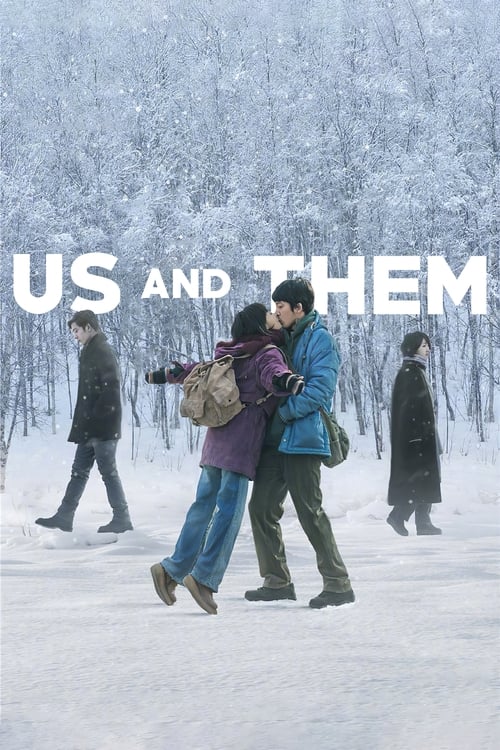
Us and Them
Ten years ago, on a train home during the busy Spring Festival travel period, fate brings Xiaoxiao and Jianqing together. Like many young couples, they meet, fall in love, and strive to make it work, but eventually, the harsh realities of life make them drift apart. Ten years later, they run into each other again. Will they make the most of this second chance and rekindle what they once lost?
The film earned $209.2M at the global box office.


Plot Structure
Story beats plotted across runtime


Narrative Arc
Emotional journey through the story's key moments
Story Circle
Blueprint 15-beat structure
Arcplot Score Breakdown
Weighted: Precision (70%) + Arc (15%) + Theme (15%)
Us and Them (2018) exhibits precise story structure, characteristic of René Liu's storytelling approach. This structural analysis examines how the film's 15-point plot structure maps to proven narrative frameworks across 2 hours. With an Arcplot score of 7.0, the film balances conventional beats with creative variation.
Structural Analysis
The Status Quo at 2 minutes (2% through the runtime) establishes Present day: Xiaoxiao and Jianqing encounter each other on a delayed flight, strangers who were once lovers. The opening establishes the melancholic tone and the distance between who they are now.. The analysis reveals that this early placement immediately immerses viewers in the story world.
The inciting incident occurs at 15 minutes when Jianqing and Xiaoxiao share an intimate moment that sparks genuine connection. What begins as convenience (sharing a cab, splitting costs) becomes something more—the possibility of love disrupts their solitary struggles.. At 12% through the film, this Disruption aligns precisely with traditional story structure. This beat shifts the emotional landscape, launching the protagonist into the central conflict.
The First Threshold at 29 minutes marks the transition into Act II, occurring at 24% of the runtime. This demonstrates the protagonist's commitment to Jianqing and Xiaoxiao decide to move in together, committing to build a life in Beijing despite the odds. This active choice transforms them from individuals into a partnership facing the city's challenges together., moving from reaction to action.
At 61 minutes, the Midpoint arrives at 50% of the runtime—precisely centered, creating perfect narrative symmetry. Of particular interest, this crucial beat False defeat: A major career opportunity for one of them (likely Jianqing's game design work) falls through, or a serious fight reveals the strain that ambition and poverty place on their relationship. The stakes raise—can love survive when dreams clash?., fundamentally raising what's at risk. The emotional intensity shifts, dividing the narrative into clear before-and-after phases.
The Collapse moment at 91 minutes (76% through) represents the emotional nadir. Here, The breakup. Jianqing and Xiaoxiao separate, unable to reconcile their individual ambitions with their relationship. The death of their shared dream—the "whiff of death" is the loss of who they were together and the future they imagined., shows the protagonist at their lowest point. This beat's placement in the final quarter sets up the climactic reversal.
The Second Threshold at 96 minutes initiates the final act resolution at 80% of the runtime. On the plane, seeing each other after years apart, both realize what they sacrificed. The synthesis: success without the person you love is hollow. But it's too late—they are different people now, with different lives. Understanding without resolution., demonstrating the transformation achieved throughout the journey.
Emotional Journey
Us and Them's emotional architecture traces a deliberate progression across 15 carefully calibrated beats.
Narrative Framework
This structural analysis employs proven narrative structure principles that track dramatic progression. By mapping Us and Them against these established plot points, we can identify how René Liu utilizes or subverts traditional narrative conventions. The plot point approach reveals not only adherence to structural principles but also creative choices that distinguish Us and Them within the drama genre.
Comparative Analysis
Additional drama films include After Thomas, South Pacific and Dirty Dancing: Havana Nights.
Plot Points by Act
Act I
SetupStatus Quo
Present day: Xiaoxiao and Jianqing encounter each other on a delayed flight, strangers who were once lovers. The opening establishes the melancholic tone and the distance between who they are now.
Theme
Flashback begins: A fellow passenger or flight attendant mentions something about "timing" and "meant to be," foreshadowing the film's exploration of whether love can survive ambition, distance, and time.
Worldbuilding
2007 flashback: Young Jianqing and Xiaoxiao meet on a train during Chinese New Year. Both are struggling migrant workers in Beijing. Establishes their modest dreams, financial struggles, and the harsh reality of pursuing success in the big city.
Disruption
Jianqing and Xiaoxiao share an intimate moment that sparks genuine connection. What begins as convenience (sharing a cab, splitting costs) becomes something more—the possibility of love disrupts their solitary struggles.
Resistance
The courtship period. Jianqing pursues Xiaoxiao despite initial resistance. Both debate whether romance is a luxury they can afford. Small moments of joy amid poverty: sharing cheap meals, walking through Beijing, dreaming of better futures together.
Act II
ConfrontationFirst Threshold
Jianqing and Xiaoxiao decide to move in together, committing to build a life in Beijing despite the odds. This active choice transforms them from individuals into a partnership facing the city's challenges together.
Mirror World
Introduction to their shared domestic life and the community of other struggling young people around them. Friends and neighbors reflect different approaches to the same dilemma: stay and fight for dreams, or return home to stability.
Premise
The promise of young love against adversity. Jianqing and Xiaoxiao navigate their relationship through job hunting, apartment hunting, small victories and setbacks. Sweet moments of intimacy contrast with the grinding reality of making it in Beijing.
Midpoint
False defeat: A major career opportunity for one of them (likely Jianqing's game design work) falls through, or a serious fight reveals the strain that ambition and poverty place on their relationship. The stakes raise—can love survive when dreams clash?
Opposition
The relationship deteriorates under pressure. Career opportunities pull them in different directions. Arguments increase about money, future, sacrifice. The city that brought them together now drives them apart. External success comes at the cost of intimacy.
Collapse
The breakup. Jianqing and Xiaoxiao separate, unable to reconcile their individual ambitions with their relationship. The death of their shared dream—the "whiff of death" is the loss of who they were together and the future they imagined.
Crisis
Years pass (cut back to present on the plane). Both have achieved some success but carry the weight of what was lost. The dark night of processing whether their choices—ambition over love—were worth it. Silence and reflection.
Act III
ResolutionSecond Threshold
On the plane, seeing each other after years apart, both realize what they sacrificed. The synthesis: success without the person you love is hollow. But it's too late—they are different people now, with different lives. Understanding without resolution.
Synthesis
The final conversation and parting. Brief, polite, loaded with everything unsaid. They share what became of their lives. Perhaps a moment of "what if" before they part ways at the airport, returning to their separate successful but lonely lives.
Transformation
Mirrors the opening: both alone again, but transformed by understanding. The closing image shows them walking away in different directions—successful, mature, but carrying the bittersweet weight of a love that couldn't survive ambition and timing.