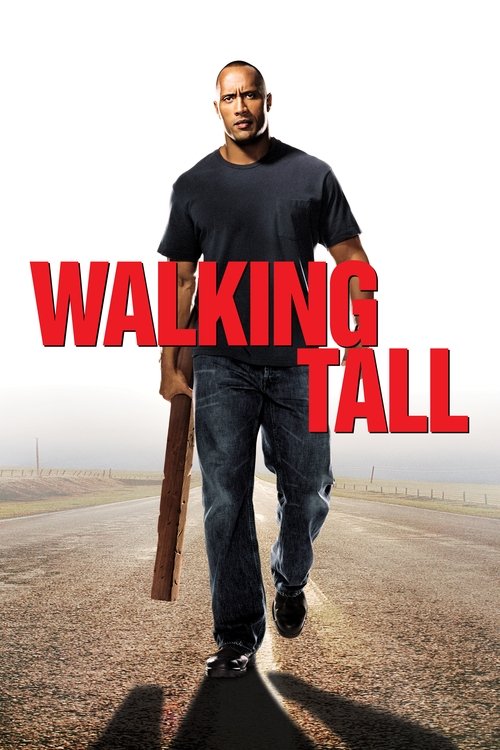
Walking Tall
A former U.S. soldier returns to his hometown to find it overrun by crime and corruption, which prompts him to clean house.
Working with a mid-range budget of $46.0M, the film achieved a respectable showing with $57.2M in global revenue (+24% profit margin).


Plot Structure
Story beats plotted across runtime


Narrative Arc
Emotional journey through the story's key moments
Story Circle
Blueprint 15-beat structure
Arcplot Score Breakdown
Weighted: Precision (70%) + Arc (15%) + Theme (15%)
Walking Tall (2004) showcases carefully calibrated story structure, characteristic of Kevin Bray's storytelling approach. This structural analysis examines how the film's 15-point plot structure maps to proven narrative frameworks across 1 hour and 26 minutes. With an Arcplot score of 7.3, the film balances conventional beats with creative variation.
Structural Analysis
The Status Quo at 1 minutes (1% through the runtime) establishes Chris Vaughn returns home as a decorated war hero to his small hometown, greeted warmly by family and friends. He envisions a peaceful life reconnecting with his roots.. Structural examination shows that this early placement immediately immerses viewers in the story world.
The inciting incident occurs at 11 minutes when At Jay's casino, Chris discovers rigged gaming tables and confronts Jay. Chris is brutally beaten by casino security and his nephew is drugged. The violence shatters his hope for a peaceful homecoming.. At 13% through the film, this Disruption is delayed, allowing extended setup of the story world. This beat shifts the emotional landscape, launching the protagonist into the central conflict.
The First Threshold at 21 minutes marks the transition into Act II, occurring at 24% of the runtime. This shows the protagonist's commitment to Chris makes the active choice to carve a large wooden 2x4 and march into the casino to exact justice personally. He beats the security guards who attacked him and destroys the casino, choosing vigilante action over passivity., moving from reaction to action.
At 43 minutes, the Midpoint arrives at 50% of the runtime—precisely centered, creating perfect narrative symmetry. Structural examination shows that this crucial beat Chris successfully shuts down multiple drug operations and the town begins to rally behind him. It appears he's winning the war against corruption, but Jay escalates his response, marking a false victory., fundamentally raising what's at risk. The emotional intensity shifts, dividing the narrative into clear before-and-after phases.
The Collapse moment at 63 minutes (73% through) represents the emotional nadir. Here, Jay's men ambush and murder Chris's best friend Ray in a brutal drive-by shooting. Ray dies in Chris's arms, representing the ultimate price of Chris's crusade and his darkest moment of loss and doubt., illustrates the protagonist at their lowest point. This beat's placement in the final quarter sets up the climactic reversal.
The Second Threshold at 68 minutes initiates the final act resolution at 79% of the runtime. At Ray's funeral, the entire town shows up to support Chris, demonstrating he's no longer alone. Chris realizes he must finish what he started, not just for revenge, but to honor Ray and save his community. He synthesizes his military training with his moral purpose., demonstrating the transformation achieved throughout the journey.
Emotional Journey
Walking Tall's emotional architecture traces a deliberate progression across 15 carefully calibrated beats.
Narrative Framework
This structural analysis employs proven narrative structure principles that track dramatic progression. By mapping Walking Tall against these established plot points, we can identify how Kevin Bray utilizes or subverts traditional narrative conventions. The plot point approach reveals not only adherence to structural principles but also creative choices that distinguish Walking Tall within the adventure genre.
Kevin Bray's Structural Approach
Among the 2 Kevin Bray films analyzed on Arcplot, the average structural score is 7.1, reflecting strong command of classical structure. Walking Tall represents one of the director's most structurally precise works. For comparative analysis, explore the complete Kevin Bray filmography.
Comparative Analysis
Additional adventure films include The Black Stallion, The Bad Guys and Puss in Boots. For more Kevin Bray analyses, see All About the Benjamins.
Plot Points by Act
Act I
SetupStatus Quo
Chris Vaughn returns home as a decorated war hero to his small hometown, greeted warmly by family and friends. He envisions a peaceful life reconnecting with his roots.
Theme
Chris's father tells him "Sometimes you have to stand up for what's right, even when it means standing alone." This establishes the core theme of personal responsibility and courage.
Worldbuilding
Chris reconnects with childhood friend Jay Hamilton and explores his hometown, discovering the old mill has closed and a casino has taken its place. The town has changed, with drugs and corruption becoming prevalent.
Disruption
At Jay's casino, Chris discovers rigged gaming tables and confronts Jay. Chris is brutally beaten by casino security and his nephew is drugged. The violence shatters his hope for a peaceful homecoming.
Resistance
Recovering from his injuries, Chris debates whether to take action or walk away. The sheriff refuses to help, revealing corruption. Chris's family encourages him but he wrestles with the decision to fight back.
Act II
ConfrontationFirst Threshold
Chris makes the active choice to carve a large wooden 2x4 and march into the casino to exact justice personally. He beats the security guards who attacked him and destroys the casino, choosing vigilante action over passivity.
Mirror World
Chris reconnects romantically with Deni, his high school sweetheart who now has a son. She represents the life and community worth fighting for, grounding his mission in love and redemption.
Premise
Chris runs for sheriff and wins, then begins cleaning up the town with his 2x4. He raids drug operations, confronts dealers, and tries to restore law and order while facing resistance from Jay's criminal organization.
Midpoint
Chris successfully shuts down multiple drug operations and the town begins to rally behind him. It appears he's winning the war against corruption, but Jay escalates his response, marking a false victory.
Opposition
Jay's organization strikes back hard. Chris faces death threats, his deputies are intimidated, and the violence escalates. The legal system tries to stop Chris, and he realizes he's fighting a larger, more dangerous network than anticipated.
Collapse
Jay's men ambush and murder Chris's best friend Ray in a brutal drive-by shooting. Ray dies in Chris's arms, representing the ultimate price of Chris's crusade and his darkest moment of loss and doubt.
Crisis
Chris grieves Ray's death and questions whether his one-man war is worth the cost. His family is in danger and his friend is dead. He contemplates giving up the fight entirely.
Act III
ResolutionSecond Threshold
At Ray's funeral, the entire town shows up to support Chris, demonstrating he's no longer alone. Chris realizes he must finish what he started, not just for revenge, but to honor Ray and save his community. He synthesizes his military training with his moral purpose.
Synthesis
Chris leads a final assault on the casino with townspeople backing him. A massive confrontation erupts as Chris fights through Jay's security forces, destroys the criminal operation, and confronts Jay directly, defeating him and dismantling the corruption.
Transformation
Chris stands victorious as sheriff with Deni and her son by his side, the town celebrating their freedom from corruption. The closing image mirrors the opening but shows Chris transformed from passive veteran to active protector, having found his true purpose.