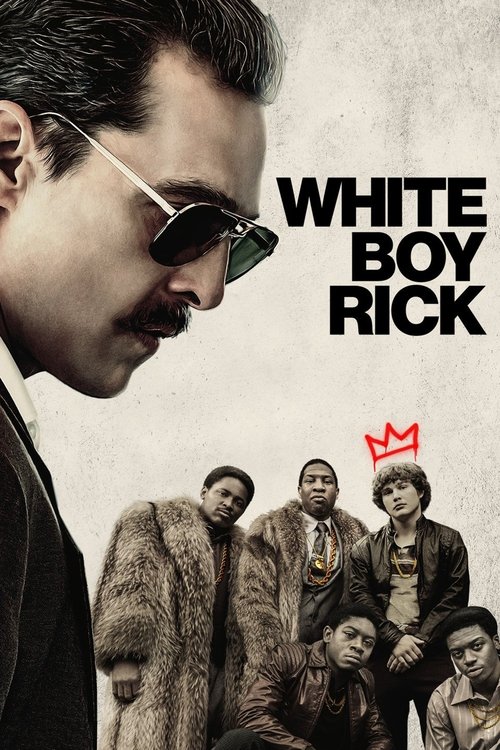
White Boy Rick
The story of Richard Wershe Jr., a teenager who became an undercover informant for the police during the 1980s, and was ultimately arrested for drug trafficking and sentenced to life in prison.
The film struggled financially against its respectable budget of $29.0M, earning $26.0M globally (-10% loss).







Plot Structure
Story beats plotted across runtime


Narrative Arc
Emotional journey through the story's key moments
Story Circle
Blueprint 15-beat structure
Arcplot Score Breakdown
Weighted: Precision (70%) + Arc (15%) + Theme (15%)
White Boy Rick (2018) exhibits deliberately positioned story structure, characteristic of Yann Demange's storytelling approach. This structural analysis examines how the film's 15-point plot structure maps to proven narrative frameworks across 1 hour and 51 minutes. With an Arcplot score of 6.9, the film balances conventional beats with creative variation.
Structural Analysis
The Status Quo at 1 minutes (1% through the runtime) establishes 1984 Detroit. Rick Wershe Jr., a white teenager, lives in a decaying neighborhood with his gun-dealing father Richard Sr. And sister Dawn. They hustle at gun shows, barely scraping by in a broken city where loyalty to family is everything.. Significantly, this early placement immediately immerses viewers in the story world.
The inciting incident occurs at 13 minutes when FBI agents Snyder and Byrd approach 14-year-old Rick at a skating rink, pressuring him to become an informant against the drug dealers he knows. They exploit his youth and vulnerability, offering protection for his family in exchange for information.. At 11% through the film, this Disruption aligns precisely with traditional story structure. This beat shifts the emotional landscape, launching the protagonist into the central conflict.
The First Threshold at 27 minutes marks the transition into Act II, occurring at 25% of the runtime. This reveals the protagonist's commitment to Rick actively chooses to become an FBI informant, wearing a wire to a meeting with major dealer Boo. He crosses into the dangerous world of being a teenage spy, betraying the street code for what he believes will protect his family., moving from reaction to action.
At 54 minutes, the Midpoint arrives at 49% of the runtime—precisely centered, creating perfect narrative symmetry. Significantly, this crucial beat Rick is at the peak of his power and wealth as a drug dealer. He's making serious money, has earned respect on the streets, and seems untouchable. False victory: he believes he's won the game, but he's actually become the very thing the FBI used him to fight., fundamentally raising what's at risk. The emotional intensity shifts, dividing the narrative into clear before-and-after phases.
The Collapse moment at 82 minutes (74% through) represents the emotional nadir. Here, Rick is arrested by the same FBI agents who recruited him as a child. At 17, facing life in prison, he realizes he's been abandoned by the institutions that used him. His innocence dies—the boy who thought he was helping his family is now completely alone., demonstrates the protagonist at their lowest point. This beat's placement in the final quarter sets up the climactic reversal.
The Second Threshold at 88 minutes initiates the final act resolution at 79% of the runtime. Rick agrees to testify against corrupt Detroit police and officials, hoping for leniency. He finally understands the game: the system uses people like him as pawns. He has information that could expose the real criminals, synthesizing his role as informant with his need for justice., demonstrating the transformation achieved throughout the journey.
Emotional Journey
White Boy Rick's emotional architecture traces a deliberate progression across 15 carefully calibrated beats.
Narrative Framework
This structural analysis employs systematic plot point analysis that identifies crucial turning points. By mapping White Boy Rick against these established plot points, we can identify how Yann Demange utilizes or subverts traditional narrative conventions. The plot point approach reveals not only adherence to structural principles but also creative choices that distinguish White Boy Rick within the crime genre.
Comparative Analysis
Additional crime films include The Bad Guys, Batman Forever and 12 Rounds.
Plot Points by Act
Act I
SetupStatus Quo
1984 Detroit. Rick Wershe Jr., a white teenager, lives in a decaying neighborhood with his gun-dealing father Richard Sr. and sister Dawn. They hustle at gun shows, barely scraping by in a broken city where loyalty to family is everything.
Theme
Richard Sr. tells Rick: "It's us against the world, Ricky." The theme of family loyalty versus survival, and how institutions exploit the vulnerable, is established early in their father-son dynamic.
Worldbuilding
We see Rick's world: his absentee junkie sister Dawn, his father's illegal gun business, the crack epidemic destroying Detroit, and Rick's connection to local drug dealers. FBI agents Snyder and Byrd notice Rick's access to the criminal underworld.
Disruption
FBI agents Snyder and Byrd approach 14-year-old Rick at a skating rink, pressuring him to become an informant against the drug dealers he knows. They exploit his youth and vulnerability, offering protection for his family in exchange for information.
Resistance
Rick debates whether to work with the FBI. He's torn between survival and betrayal. The agents mentor him in basic intelligence gathering. His father remains unaware. Rick begins attending parties with dealers, gathering information while trying to maintain his cover and his conscience.
Act II
ConfrontationFirst Threshold
Rick actively chooses to become an FBI informant, wearing a wire to a meeting with major dealer Boo. He crosses into the dangerous world of being a teenage spy, betraying the street code for what he believes will protect his family.
Mirror World
Rick develops a relationship with Brenda, his girlfriend, representing the normal teenage life he could have had. She and her family show him what a stable, loving home looks like—the antithesis of his world of crime and deception.
Premise
Rick lives a double life: informant by night, dealer by day. When the FBI stops using him, he leverages his connections to start selling cocaine himself, becoming "White Boy Rick." He makes money, gains respect, and loses himself in the glamorous drug world while supporting his deteriorating family.
Midpoint
Rick is at the peak of his power and wealth as a drug dealer. He's making serious money, has earned respect on the streets, and seems untouchable. False victory: he believes he's won the game, but he's actually become the very thing the FBI used him to fight.
Opposition
Everything tightens around Rick. His sister Dawn spirally deeper into addiction. Violence escalates—Rick is shot and nearly dies. The FBI pressures him to inform again. His relationship with Brenda fractures. His father is arrested for gun charges. The walls close in from every direction.
Collapse
Rick is arrested by the same FBI agents who recruited him as a child. At 17, facing life in prison, he realizes he's been abandoned by the institutions that used him. His innocence dies—the boy who thought he was helping his family is now completely alone.
Crisis
In jail, Rick processes his betrayal by the system. The FBI offers no help despite his years of service. His father visits, their relationship strained by mutual failures. Rick sits in darkness, a teenager facing life imprisonment while corrupt cops and dealers walk free.
Act III
ResolutionSecond Threshold
Rick agrees to testify against corrupt Detroit police and officials, hoping for leniency. He finally understands the game: the system uses people like him as pawns. He has information that could expose the real criminals, synthesizing his role as informant with his need for justice.
Synthesis
Rick testifies and cooperates fully, exposing corruption. Despite his cooperation and years of service as an informant, he receives no leniency. The parole board denies him repeatedly. He remains imprisoned while those he informed against walk free. The system's betrayal is complete.
Transformation
An older Rick sits in prison decades later, still incarcerated. Title cards reveal he served 30+ years—longer than any non-violent juvenile offender in Michigan history. The boy from the opening is gone, replaced by a man destroyed by a system that used and discarded him.