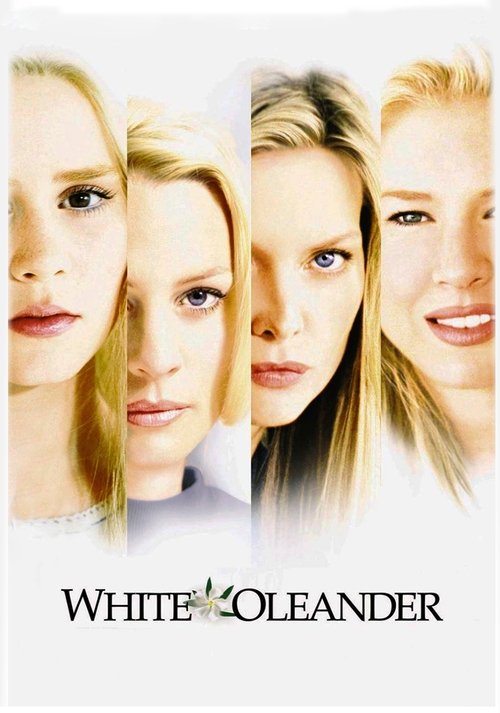
White Oleander
A teenager journeys through a series of foster homes after her mother goes to prison for committing a crime of passion.
Working with a respectable budget of $16.0M, the film achieved a modest success with $21.7M in global revenue (+35% profit margin).
3 wins & 7 nominations


Plot Structure
Story beats plotted across runtime


Narrative Arc
Emotional journey through the story's key moments
Story Circle
Blueprint 15-beat structure
Structural Analysis
The Status Quo at 1 minutes (1% through the runtime) establishes Astrid and her mother Ingrid live in bohemian artistic isolation in Los Angeles. Ingrid is a beautiful, controlling poet who has shaped Astrid's entire worldview, keeping her daughter as an extension of herself rather than allowing her independence.. Structural examination shows that this early placement immediately immerses viewers in the story world.
The inciting incident occurs at 13 minutes when Ingrid murders Barry by poisoning him with white oleander extract. She is arrested, tried, and sentenced to life in prison. Astrid's entire world collapses as her mother - her only anchor - is taken away.. At 12% through the film, this Disruption aligns precisely with traditional story structure. This beat shifts the emotional landscape, launching the protagonist into the central conflict.
The First Threshold at 27 minutes marks the transition into Act II, occurring at 25% of the runtime. This indicates the protagonist's commitment to Starr shoots Astrid when she discovers Astrid has been having a relationship with her boyfriend Ray. This violent betrayal marks Astrid's definitive break from innocence - she realizes she cannot trust anyone and must learn to survive on her own., moving from reaction to action.
At 55 minutes, the Midpoint arrives at 50% of the runtime—precisely centered, creating perfect narrative symmetry. The analysis reveals that this crucial beat Claire commits suicide, unable to bear losing Astrid to Ingrid's manipulation. This is a devastating false defeat - Astrid loses the one person who truly loved her, and realizes her mother's toxic reach extends even from prison. The stakes shift from survival to identity., fundamentally raising what's at risk. The emotional intensity shifts, dividing the narrative into clear before-and-after phases.
The Collapse moment at 82 minutes (75% through) represents the emotional nadir. Here, Astrid confronts Ingrid in prison and refuses to testify at her appeal hearing. She tells her mother she knows Ingrid drove Claire to suicide intentionally. The death of their relationship - the only constant in Astrid's life - represents the ultimate "whiff of death."., shows the protagonist at their lowest point. This beat's placement in the final quarter sets up the climactic reversal.
The Second Threshold at 87 minutes initiates the final act resolution at 80% of the runtime. Astrid reconnects with Paul, Claire's widower, who shows her Claire's art and the genuine love Claire had for her. She realizes she can honor Claire's memory by choosing openness and connection rather than her mother's path of beautiful isolation., demonstrating the transformation achieved throughout the journey.
Emotional Journey
White Oleander's emotional architecture traces a deliberate progression across 15 carefully calibrated beats.
Narrative Framework
This structural analysis employs structural analysis methodology used to understand storytelling architecture. By mapping White Oleander against these established plot points, we can identify how Peter Kosminsky utilizes or subverts traditional narrative conventions. The plot point approach reveals not only adherence to structural principles but also creative choices that distinguish White Oleander within the drama genre.
Comparative Analysis
Additional drama films include After Thomas, South Pacific and Dirty Dancing: Havana Nights.
Plot Points by Act
Act I
SetupStatus Quo
Astrid and her mother Ingrid live in bohemian artistic isolation in Los Angeles. Ingrid is a beautiful, controlling poet who has shaped Astrid's entire worldview, keeping her daughter as an extension of herself rather than allowing her independence.
Theme
Ingrid tells Astrid about the white oleander flower - beautiful but deadly poisonous. "We're the Vikings, Astrid. We don't need anyone." This establishes the toxic nature of Ingrid's love and the question of whether beauty and poison can be separated.
Worldbuilding
Astrid's world revolves entirely around her mother. We see their artistic lifestyle, Ingrid's intensity and possessiveness, and the absence of anyone else in their lives. When Ingrid begins an affair with Barry, we see her capacity for obsession and her fury when he rejects her.
Disruption
Ingrid murders Barry by poisoning him with white oleander extract. She is arrested, tried, and sentenced to life in prison. Astrid's entire world collapses as her mother - her only anchor - is taken away.
Resistance
Astrid enters the foster care system and is placed with Starr, a born-again Christian former stripper. Astrid struggles to adapt to this completely foreign environment while processing her mother's crime. She visits Ingrid in prison, where her mother continues to try to control her from behind bars.
Act II
ConfrontationFirst Threshold
Starr shoots Astrid when she discovers Astrid has been having a relationship with her boyfriend Ray. This violent betrayal marks Astrid's definitive break from innocence - she realizes she cannot trust anyone and must learn to survive on her own.
Mirror World
Astrid is placed with Claire Richards, a fragile actress married to a successful director. Claire offers Astrid genuine love and a glimpse of the mother she never had - one who wants to nurture rather than possess. Claire represents who Astrid could become if she chooses softness over her mother's hardness.
Premise
Astrid begins to flourish under Claire's care, discovering art and affection. She experiences what it feels like to be loved for herself. But Ingrid, jealous from prison, manipulates the situation during visits, planting seeds of doubt in both Claire and Astrid about their relationship.
Midpoint
Claire commits suicide, unable to bear losing Astrid to Ingrid's manipulation. This is a devastating false defeat - Astrid loses the one person who truly loved her, and realizes her mother's toxic reach extends even from prison. The stakes shift from survival to identity.
Opposition
Astrid hardens herself, deliberately transforming into someone her mother can't recognize or control. She goes through additional foster homes, including Rena's, where she learns street survival. She begins to reject everything - beauty, vulnerability, connection - that could make her like Claire or be manipulated by Ingrid.
Collapse
Astrid confronts Ingrid in prison and refuses to testify at her appeal hearing. She tells her mother she knows Ingrid drove Claire to suicide intentionally. The death of their relationship - the only constant in Astrid's life - represents the ultimate "whiff of death."
Crisis
Astrid grapples with who she is without her mother's definition. She has rejected Ingrid but hasn't yet figured out what she believes, what she values, who she wants to be. She is untethered but not yet free.
Act III
ResolutionSecond Threshold
Astrid reconnects with Paul, Claire's widower, who shows her Claire's art and the genuine love Claire had for her. She realizes she can honor Claire's memory by choosing openness and connection rather than her mother's path of beautiful isolation.
Synthesis
Astrid builds a life on her own terms. She pursues art, makes connections, and begins to define herself neither as Ingrid's daughter nor in opposition to her mother, but as her own person. She visits Ingrid one final time, no longer seeking approval or fighting for independence, simply at peace.
Transformation
Astrid drives away from the prison, no longer the girl who was nothing without her mother. She has become a woman who has survived poison and emerged whole - beautiful but not deadly, independent but not isolated. The white oleander's legacy has been transformed.