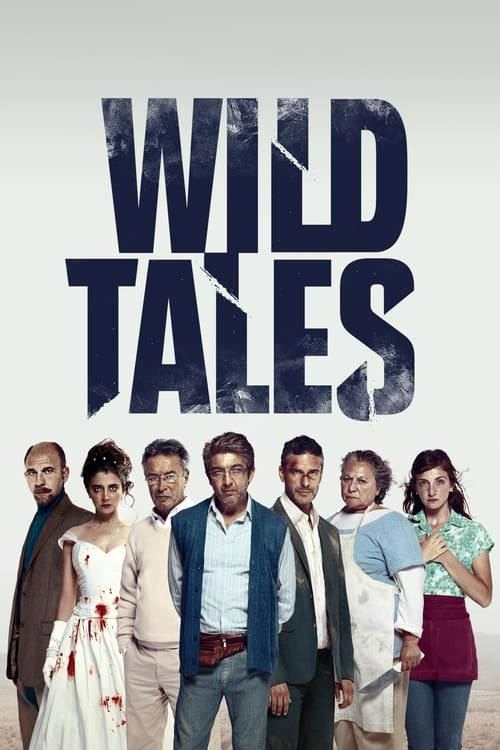
Wild Tales
Injustice and the demands of the world can cause stress for many people. Some of them, however, explode. This includes a waitress serving a grouchy loan shark, an altercation between two motorists, an ill-fated wedding reception, and a wealthy businessman who tries to buy his family out of trouble.
Despite its small-scale budget of $4.0M, Wild Tales became a box office phenomenon, earning $31.5M worldwide—a remarkable 687% return. The film's unique voice engaged audiences, illustrating how strong storytelling can transcend budget limitations.
Nominated for 1 Oscar. 51 wins & 58 nominations


Plot Structure
Story beats plotted across runtime


Narrative Arc
Emotional journey through the story's key moments
Story Circle
Blueprint 15-beat structure
Arcplot Score Breakdown
Weighted: Precision (70%) + Arc (15%) + Theme (15%)
Wild Tales (2014) showcases precise story structure, characteristic of Damián Szifron's storytelling approach. This structural analysis examines how the film's 15-point plot structure maps to proven narrative frameworks across 2 hours and 2 minutes. With an Arcplot score of 6.6, the film balances conventional beats with creative variation.
Structural Analysis
The Status Quo at 1 minutes (1% through the runtime) establishes Passengers board a commercial airplane in mundane fashion, exchanging pleasantries—a portrait of civilized society functioning normally before the first cracks appear.. Significantly, this early placement immediately immerses viewers in the story world.
The inciting incident occurs at 7 minutes when The plane passengers realize they all wronged the same man—Gabriel Pasternak—and the aircraft nosedives. The anthology's thesis explodes into view: revenge is coming for everyone.. At 6% through the film, this Disruption arrives earlier than typical, accelerating the narrative momentum. This beat shifts the emotional landscape, launching the protagonist into the central conflict.
The First Threshold at 29 minutes marks the transition into Act II, occurring at 24% of the runtime. This shows the protagonist's commitment to The waitress serves the poisoned food despite hesitation—the first protagonist to fully cross into active vengeance. The anthology commits to exploring what happens when people choose violence., moving from reaction to action.
At 61 minutes, the Midpoint arrives at 50% of the runtime—precisely centered, creating perfect narrative symmetry. Structural examination shows that this crucial beat Bombita begins with Simón's car being towed—a false defeat that becomes real. The midpoint shifts from individual revenge to systemic critique: society itself is the antagonist pushing people to break., fundamentally raising what's at risk. The emotional intensity shifts, dividing the narrative into clear before-and-after phases.
The Collapse moment at 89 minutes (73% through) represents the emotional nadir. Here, In La Propuesta, the gardener refuses the bribe and is framed for murder—the ultimate whiff of death for justice itself. The wealthy family's corruption destroys an innocent man completely., shows the protagonist at their lowest point. This beat's placement in the final quarter sets up the climactic reversal.
The Second Threshold at 96 minutes initiates the final act resolution at 79% of the runtime. The bride Romina discovers her groom Ariel's affair at their wedding reception. She chooses to confront rather than suppress—crossing into the film's final exploration of rage., demonstrating the transformation achieved throughout the journey.
Emotional Journey
Wild Tales's emotional architecture traces a deliberate progression across 15 carefully calibrated beats.
Narrative Framework
This structural analysis employs a 15-point narrative structure framework that maps key story moments. By mapping Wild Tales against these established plot points, we can identify how Damián Szifron utilizes or subverts traditional narrative conventions. The plot point approach reveals not only adherence to structural principles but also creative choices that distinguish Wild Tales within the drama genre.
Comparative Analysis
Additional drama films include After Thomas, South Pacific and Dirty Dancing: Havana Nights.
Plot Points by Act
Act I
SetupStatus Quo
Passengers board a commercial airplane in mundane fashion, exchanging pleasantries—a portrait of civilized society functioning normally before the first cracks appear.
Theme
A passenger remarks on the coincidence of connections between strangers, unwittingly stating the theme: beneath society's veneer, we are all connected by primal urges toward revenge and violence.
Worldbuilding
The Pasternak and Las Ratas segments establish the anthology's world: Argentina's corrupt, frustrating society where ordinary people harbor extraordinary rage beneath polite facades.
Disruption
The plane passengers realize they all wronged the same man—Gabriel Pasternak—and the aircraft nosedives. The anthology's thesis explodes into view: revenge is coming for everyone.
Resistance
Las Ratas presents a waitress debating whether to poison the mobster who destroyed her family. The cook guides her toward action, embodying the film's moral question: when is revenge justified?
Act II
ConfrontationFirst Threshold
The waitress serves the poisoned food despite hesitation—the first protagonist to fully cross into active vengeance. The anthology commits to exploring what happens when people choose violence.
Mirror World
El más fuerte begins: two drivers encounter each other on a desolate road. Their escalating conflict mirrors the internal battle between civilization and savagery within every human.
Premise
The road rage segment delivers the anthology's promise: pure, escalating revenge fantasy. Two men destroy each other over a minor slight, demonstrating how quickly civility collapses.
Midpoint
Bombita begins with Simón's car being towed—a false defeat that becomes real. The midpoint shifts from individual revenge to systemic critique: society itself is the antagonist pushing people to break.
Opposition
Simón battles bureaucratic corruption through legitimate channels and fails repeatedly. La Propuesta follows, showing how the wealthy use money to escape consequences while the innocent suffer.
Collapse
In La Propuesta, the gardener refuses the bribe and is framed for murder—the ultimate whiff of death for justice itself. The wealthy family's corruption destroys an innocent man completely.
Crisis
The aftermath of La Propuesta's moral bankruptcy lingers. The transition to the wedding segment begins in apparent celebration, but darkness lurks beneath the surface.
Act III
ResolutionSecond Threshold
The bride Romina discovers her groom Ariel's affair at their wedding reception. She chooses to confront rather than suppress—crossing into the film's final exploration of rage.
Synthesis
The wedding descends into chaos: Romina's revenge escalates from confrontation to violence to near-murder. Yet unlike previous segments, this one offers a dark twist on reconciliation.
Transformation
Romina and Ariel, bloodied and exhausted from destruction, embrace and kiss passionately. The final image transforms the theme: perhaps rage and love are intertwined—catharsis through chaos.