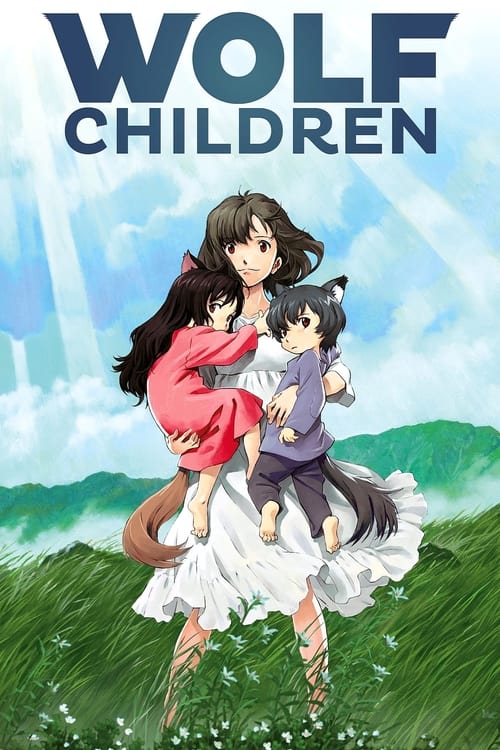
Wolf Children
After her werewolf lover unexpectedly dies in an accident, a woman must find a way to raise the son and daughter that she had with him. However, their inheritance of their father's traits prove to be a challenge for her.
The film earned $55.3M at the global box office.
19 wins & 6 nominations


Plot Structure
Story beats plotted across runtime


Narrative Arc
Emotional journey through the story's key moments
Story Circle
Blueprint 15-beat structure
Arcplot Score Breakdown
Weighted: Precision (70%) + Arc (15%) + Theme (15%)
Wolf Children (2012) showcases carefully calibrated narrative architecture, characteristic of Mamoru Hosoda's storytelling approach. This structural analysis examines how the film's 15-point plot structure maps to proven narrative frameworks across 1 hour and 57 minutes. With an Arcplot score of 7.6, the film showcases strong structural fundamentals.
Structural Analysis
The Status Quo at 2 minutes (2% through the runtime) establishes Adult Yuki narrates the story of her mother Hana, establishing this as a retrospective tale. We see Hana as a young college student, living an ordinary life in the city, attending classes and working part-time.. The analysis reveals that this early placement immediately immerses viewers in the story world.
The inciting incident occurs at 14 minutes when The wolfman father dies suddenly in his wolf form, killed while hunting for food. His body is found by animal control and disposed of as a wild animal. Hana is left alone to raise two wolf children in the city with no support or guidance.. At 12% through the film, this Disruption aligns precisely with traditional story structure. This beat shifts the emotional landscape, launching the protagonist into the central conflict.
The First Threshold at 29 minutes marks the transition into Act II, occurring at 25% of the runtime. This illustrates the protagonist's commitment to Hana makes the active decision to leave the city and move to a remote countryside village, choosing to raise her children in isolation where they can be free to be themselves. She finds an abandoned farmhouse and commits to this new life despite having no farming experience., moving from reaction to action.
At 59 minutes, the Midpoint arrives at 50% of the runtime—precisely centered, creating perfect narrative symmetry. Notably, this crucial beat The children start elementary school. This raises the stakes significantly - they must now navigate human society while hiding their true nature. Yuki, previously the wild one, begins to desire fitting in with human peers. Ame, previously timid, becomes drawn to the mountains and his wolf nature. Their paths begin to diverge., fundamentally raising what's at risk. The emotional intensity shifts, dividing the narrative into clear before-and-after phases.
The Collapse moment at 88 minutes (75% through) represents the emotional nadir. Here, A massive storm hits. Ame's fox mentor has died (whiff of death). Ame runs into the dangerous mountains in wolf form, and Hana chases after him into the storm, desperate to save her son. She falls down a cliff and is injured, symbolizing her complete loss of control over her children's destinies., demonstrates the protagonist at their lowest point. This beat's placement in the final quarter sets up the climactic reversal.
The Second Threshold at 94 minutes initiates the final act resolution at 81% of the runtime. Hana realizes she must let her children go and choose their own paths. She synthesizes what the wolfman taught her (accept their nature) with what Nirasaki taught her (trust in growth and change). She finds the strength to release them to their chosen destinies rather than cage them in her fears., demonstrating the transformation achieved throughout the journey.
Emotional Journey
Wolf Children's emotional architecture traces a deliberate progression across 15 carefully calibrated beats.
Narrative Framework
This structural analysis employs systematic plot point analysis that identifies crucial turning points. By mapping Wolf Children against these established plot points, we can identify how Mamoru Hosoda utilizes or subverts traditional narrative conventions. The plot point approach reveals not only adherence to structural principles but also creative choices that distinguish Wolf Children within the animation genre.
Mamoru Hosoda's Structural Approach
Among the 5 Mamoru Hosoda films analyzed on Arcplot, the average structural score is 7.3, reflecting strong command of classical structure. Wolf Children represents one of the director's most structurally precise works. For comparative analysis, explore the complete Mamoru Hosoda filmography.
Comparative Analysis
Additional animation films include The Bad Guys, Puss in Boots and Violet Evergarden: Eternity and the Auto Memory Doll. For more Mamoru Hosoda analyses, see Summer Wars, Mirai and Belle.
Plot Points by Act
Act I
SetupStatus Quo
Adult Yuki narrates the story of her mother Hana, establishing this as a retrospective tale. We see Hana as a young college student, living an ordinary life in the city, attending classes and working part-time.
Theme
Hana reflects on how her mysterious classmate never smiled, foreshadowing the theme: "How do you raise children when you must choose between two worlds?" The film explores identity, sacrifice, and letting children choose their own paths.
Worldbuilding
Hana meets and falls in love with a mysterious older student who reveals he is a wolfman - the last of his kind. Despite this revelation, they begin a relationship, move in together, and Hana gives birth to two children: Yuki (snow) and Ame (rain), both capable of transforming between human and wolf forms.
Disruption
The wolfman father dies suddenly in his wolf form, killed while hunting for food. His body is found by animal control and disposed of as a wild animal. Hana is left alone to raise two wolf children in the city with no support or guidance.
Resistance
Hana struggles to raise Yuki and Ame in the city. The children cannot control their transformations, leading to destructive incidents in their apartment. Neighbors complain about noise. Hana cannot take them to doctors or let them socialize. She debates what to do, researching both human parenting and wolf behavior books.
Act II
ConfrontationFirst Threshold
Hana makes the active decision to leave the city and move to a remote countryside village, choosing to raise her children in isolation where they can be free to be themselves. She finds an abandoned farmhouse and commits to this new life despite having no farming experience.
Mirror World
Hana meets Nirasaki, a grumpy elderly farmer who becomes an unlikely mentor. Though initially hostile to the struggling city woman, he begins teaching her how to farm and survive in the countryside, representing the wisdom of accepting help and community.
Premise
The family thrives in the countryside. Hana learns to farm with Nirasaki's guidance. Yuki and Ame grow up running freely through fields and forests. Yuki is wild and wolf-like, while Ame is timid and prefers staying human. The children experience the freedom their father wanted for them. The community gradually accepts them.
Midpoint
The children start elementary school. This raises the stakes significantly - they must now navigate human society while hiding their true nature. Yuki, previously the wild one, begins to desire fitting in with human peers. Ame, previously timid, becomes drawn to the mountains and his wolf nature. Their paths begin to diverge.
Opposition
Yuki struggles to suppress her wolf side to fit in at school, especially after accidentally scratching a boy and being blamed for it. Ame skips school to learn from a wise fox in the mountains, embracing his wolf identity. Hana's desire to keep them safe conflicts with their growing need to choose their own identities. Mother and children drift apart.
Collapse
A massive storm hits. Ame's fox mentor has died (whiff of death). Ame runs into the dangerous mountains in wolf form, and Hana chases after him into the storm, desperate to save her son. She falls down a cliff and is injured, symbolizing her complete loss of control over her children's destinies.
Crisis
Hana lies injured in the rain, helpless. Ame finds her and carries her back home. In the darkness and pain, Hana must confront that she cannot protect her children forever, cannot choose for them whether to be human or wolf. She faces the death of her dream to keep them safe and together.
Act III
ResolutionSecond Threshold
Hana realizes she must let her children go and choose their own paths. She synthesizes what the wolfman taught her (accept their nature) with what Nirasaki taught her (trust in growth and change). She finds the strength to release them to their chosen destinies rather than cage them in her fears.
Synthesis
Ame chooses to leave permanently as a wolf, becoming the new guardian of the mountains. Despite her heartbreak, Hana lets him go, screaming her final words of encouragement across the valley. Yuki chooses to stay human, entering middle school and living with a friend's family. Hana supports both decisions, finally at peace with their choices.
Transformation
Adult Yuki completes her narration, living as a human but understanding her heritage. Hana stands alone at the farmhouse, looking toward the mountains where Ame runs free. The final image mirrors the opening - but where Hana began as a naive girl seeking love, she now stands as a mother who learned the ultimate lesson: to raise children is to let them go.