Wonder Boys
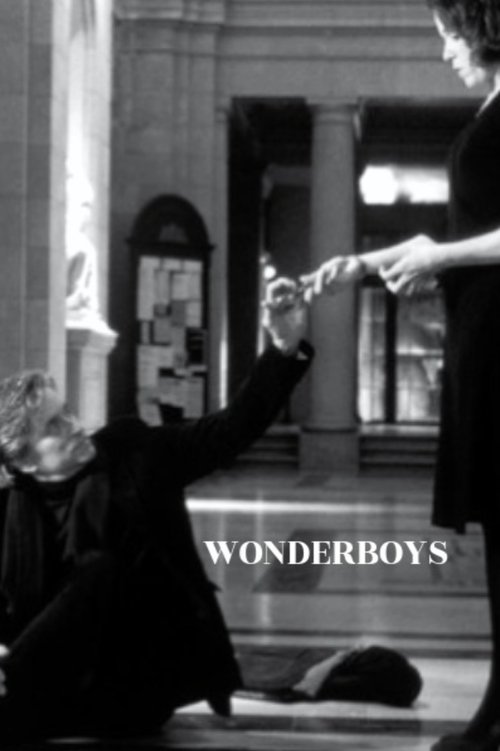
Grady is a 50-ish English professor who hasn't had a thing published in years—not since he wrote his award winning 'Great American Novel' 7 years ago. This weekend proves even worse than he could imagine as he finds himself reeling from one misadventure to another in the company of a new wonder boy author.
The film disappointed at the box office against its mid-range budget of $35.0M, earning $33.4M globally (-4% loss).
1 Oscar. 21 wins & 46 nominations


Plot Structure
Story beats plotted across runtime


Narrative Arc
Emotional journey through the story's key moments
Story Circle
Blueprint 15-beat structure
Arcplot Score Breakdown
Weighted: Precision (70%) + Arc (15%) + Theme (15%)
Wonder Boys (2000) showcases deliberately positioned plot construction, characteristic of Curtis Hanson's storytelling approach. This structural analysis examines how the film's 15-point plot structure maps to proven narrative frameworks across 1 hour and 51 minutes. With an Arcplot score of 6.7, the film balances conventional beats with creative variation.
Structural Analysis
The Status Quo at 1 minutes (1% through the runtime) establishes Grady Tripp drives through a rainy night to the WordFest literary festival, smoking marijuana and narrating his stalled life as a professor whose second novel has ballooned to over 2,000 pages with no end in sight.. Significantly, this early placement immediately immerses viewers in the story world.
The inciting incident occurs at 13 minutes when At the faculty party, James Leer shoots and kills the Gaskells' blind dog Poe with a gun, and Grady discovers his wife Emily has left him, triggering a cascade of chaos that disrupts his fragile equilibrium.. At 12% through the film, this Disruption aligns precisely with traditional story structure. This beat shifts the emotional landscape, launching the protagonist into the central conflict.
The First Threshold at 28 minutes marks the transition into Act II, occurring at 25% of the runtime. This illustrates the protagonist's commitment to Grady makes the fateful choice to take James Leer with him for the weekend rather than returning him to his troubled home, actively choosing to become responsible for the unstable young man and binding their chaotic fates together., moving from reaction to action.
At 56 minutes, the Midpoint arrives at 50% of the runtime—precisely centered, creating perfect narrative symmetry. Notably, this crucial beat Sara tells Grady she's keeping the baby and he must decide if he's in or out. Simultaneously, the stolen Marilyn Monroe jacket becomes a serious problem, and Grady realizes his pattern of avoidance is no longer sustainable - false defeat as reality closes in., fundamentally raising what's at risk. The emotional intensity shifts, dividing the narrative into clear before-and-after phases.
The Collapse moment at 83 minutes (75% through) represents the emotional nadir. Here, Grady's 2,600-page manuscript flies out the car window and is lost forever. His life's work - the excuse he's used to avoid all other decisions - is literally scattered to the wind. The death of his novel forces him to face everything he's been avoiding., shows the protagonist at their lowest point. This beat's placement in the final quarter sets up the climactic reversal.
The Second Threshold at 89 minutes initiates the final act resolution at 80% of the runtime. Grady realizes that losing the manuscript was a liberation, not a tragedy. He chooses to stop hiding and take decisive action: he'll help James, commit to Sara and the baby, and start fresh. He synthesizes the lesson James taught him about letting go of lies., demonstrating the transformation achieved throughout the journey.
Emotional Journey
Wonder Boys's emotional architecture traces a deliberate progression across 15 carefully calibrated beats.
Narrative Framework
This structural analysis employs a 15-point narrative structure framework that maps key story moments. By mapping Wonder Boys against these established plot points, we can identify how Curtis Hanson utilizes or subverts traditional narrative conventions. The plot point approach reveals not only adherence to structural principles but also creative choices that distinguish Wonder Boys within the comedy genre.
Curtis Hanson's Structural Approach
Among the 9 Curtis Hanson films analyzed on Arcplot, the average structural score is 6.9, demonstrating varied approaches to story architecture. Wonder Boys takes a more unconventional approach compared to the director's typical style. For comparative analysis, explore the complete Curtis Hanson filmography.
Comparative Analysis
Additional comedy films include The Bad Guys, Ella Enchanted and The Evening Star. For more Curtis Hanson analyses, see The River Wild, The Hand That Rocks the Cradle and 8 Mile.
Plot Points by Act
Act I
SetupStatus Quo
Grady Tripp drives through a rainy night to the WordFest literary festival, smoking marijuana and narrating his stalled life as a professor whose second novel has ballooned to over 2,000 pages with no end in sight.
Theme
Grady's editor Terry Crabtree observes that Grady has been working on his book for seven years, implying the theme: sometimes you have to know when something is finished rather than endlessly adding to it.
Worldbuilding
Grady's complicated world is established: his affair with Sara Gaskell (the chancellor's wife who is pregnant with his child), his deteriorating marriage (wife Emily has left), his troubled student James Leer, and the pressure from editor Crabtree for his manuscript.
Disruption
At the faculty party, James Leer shoots and kills the Gaskells' blind dog Poe with a gun, and Grady discovers his wife Emily has left him, triggering a cascade of chaos that disrupts his fragile equilibrium.
Resistance
Grady debates what to do as complications mount: he hides the dead dog, takes James under his wing, deals with Crabtree's demands, and faces Sara's pregnancy revelation. He resists making any definitive choices about his life or novel.
Act II
ConfrontationFirst Threshold
Grady makes the fateful choice to take James Leer with him for the weekend rather than returning him to his troubled home, actively choosing to become responsible for the unstable young man and binding their chaotic fates together.
Mirror World
James Leer emerges as Grady's thematic mirror - a young writer of prodigious talent who fabricates his entire tragic backstory. James represents both the creative promise Grady once had and the danger of living in fiction rather than reality.
Premise
A darkly comic odyssey through Pittsburgh: Grady and James dispose of the dog, attend a party where James steals Marilyn Monroe's jacket, encounter Crabtree's romantic entanglements with a transvestite, and navigate the absurdist chaos of WordFest weekend.
Midpoint
Sara tells Grady she's keeping the baby and he must decide if he's in or out. Simultaneously, the stolen Marilyn Monroe jacket becomes a serious problem, and Grady realizes his pattern of avoidance is no longer sustainable - false defeat as reality closes in.
Opposition
Everything unravels: the dog's body keeps reappearing, James's lies are exposed, Crabtree reads Grady's bloated manuscript and is horrified, Sara distances herself, and the police investigate the stolen jacket. Grady's avoidance tactics fail as consequences accumulate.
Collapse
Grady's 2,600-page manuscript flies out the car window and is lost forever. His life's work - the excuse he's used to avoid all other decisions - is literally scattered to the wind. The death of his novel forces him to face everything he's been avoiding.
Crisis
Grady processes the loss of his manuscript and confronts the wreckage of his avoidance: James is in trouble, Sara has given up on him, his career is in shambles. He sits with the reality that he must finally make choices.
Act III
ResolutionSecond Threshold
Grady realizes that losing the manuscript was a liberation, not a tragedy. He chooses to stop hiding and take decisive action: he'll help James, commit to Sara and the baby, and start fresh. He synthesizes the lesson James taught him about letting go of lies.
Synthesis
Grady resolves each thread: he helps James escape his situation and connects him with Crabtree as a mentor/editor, he commits to Sara and their future child, he makes peace with letting go of his endless novel, and he begins writing something new and finishable.
Transformation
Grady sits peacefully with Sara and their new baby, his new finished novel published. Where once he was paralyzed and avoidant, drowning in an endless manuscript, he is now present, committed, and complete. He has learned that endings are beginnings.