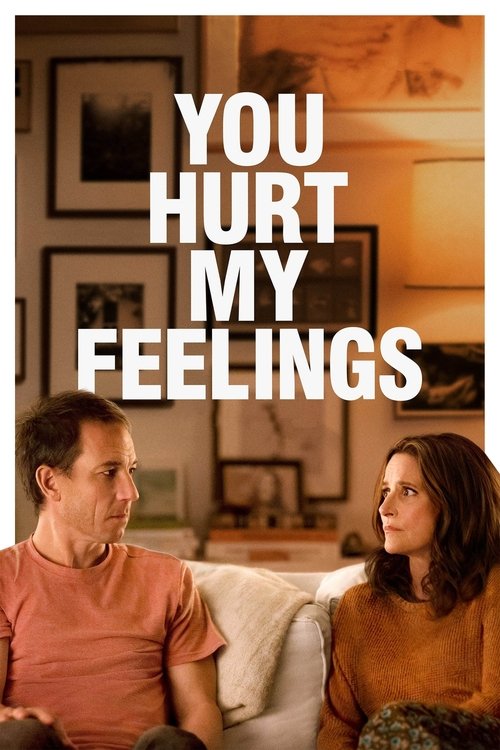
You Hurt My Feelings
A novelist's longstanding marriage is suddenly upended when she overhears her husband giving his honest reaction to her latest book.
The film earned $5.0M at the global box office.
1 win & 6 nominations


Plot Structure
Story beats plotted across runtime


Narrative Arc
Emotional journey through the story's key moments
Story Circle
Blueprint 15-beat structure
Arcplot Score Breakdown
Weighted: Precision (70%) + Arc (15%) + Theme (15%)
You Hurt My Feelings (2023) demonstrates strategically placed dramatic framework, characteristic of Nicole Holofcener's storytelling approach. This structural analysis examines how the film's 15-point plot structure maps to proven narrative frameworks across 1 hour and 33 minutes. With an Arcplot score of 7.9, the film showcases strong structural fundamentals.
Structural Analysis
The Status Quo at 1 minutes (1% through the runtime) establishes Beth teaches her creative writing class with confidence and warmth, clearly comfortable in her role as a teacher and established writer. We see her marriage to Don appears loving and supportive.. Of particular interest, this early placement immediately immerses viewers in the story world.
The inciting incident occurs at 12 minutes when Beth accidentally overhears Don telling his brother Mark at a clothing store that he doesn't actually like Beth's new novel, despite having repeatedly told her he loves it. This shatters her trust and sense of reality.. At 13% through the film, this Disruption is delayed, allowing extended setup of the story world. This beat shifts the emotional landscape, launching the protagonist into the central conflict.
The First Threshold at 23 minutes marks the transition into Act II, occurring at 25% of the runtime. This reveals the protagonist's commitment to Beth makes the choice not to immediately confront Don but to investigate the truth of her relationships and work. She enters a world where she can no longer trust the reassurances she's always relied upon, actively questioning everyone's honesty., moving from reaction to action.
At 47 minutes, the Midpoint arrives at 50% of the runtime—precisely centered, creating perfect narrative symmetry. Significantly, this crucial beat Beth has an emotional breakthrough in a conversation with Sarah, admitting the depth of her pain. She realizes she can't continue pretending everything is fine. The stakes raise: this isn't just about the book, it's about whether her entire marriage is built on deception. False defeat: everything feels irreparably broken., fundamentally raising what's at risk. The emotional intensity shifts, dividing the narrative into clear before-and-after phases.
The Collapse moment at 68 minutes (73% through) represents the emotional nadir. Here, Beth finally confronts Don about what she heard. The explosion of her pain and his defensive reaction represents the death of their previous dynamic of comfortable white lies. The marriage as they knew it "dies" in this moment of brutal honesty., illustrates the protagonist at their lowest point. This beat's placement in the final quarter sets up the climactic reversal.
The Second Threshold at 74 minutes initiates the final act resolution at 80% of the runtime. Beth gains clarity: she realizes that Don's lie came from love, not cruelty, and that her worth as a writer and person doesn't depend on his (or anyone's) validation. She synthesizes the lesson that honesty and kindness must coexist, and that she must trust her own judgment., demonstrating the transformation achieved throughout the journey.
Emotional Journey
You Hurt My Feelings's emotional architecture traces a deliberate progression across 15 carefully calibrated beats.
Narrative Framework
This structural analysis employs systematic plot point analysis that identifies crucial turning points. By mapping You Hurt My Feelings against these established plot points, we can identify how Nicole Holofcener utilizes or subverts traditional narrative conventions. The plot point approach reveals not only adherence to structural principles but also creative choices that distinguish You Hurt My Feelings within the comedy genre.
Nicole Holofcener's Structural Approach
Among the 3 Nicole Holofcener films analyzed on Arcplot, the average structural score is 7.5, reflecting strong command of classical structure. You Hurt My Feelings represents one of the director's most structurally precise works. For comparative analysis, explore the complete Nicole Holofcener filmography.
Comparative Analysis
Additional comedy films include The Bad Guys, Ella Enchanted and The Evening Star. For more Nicole Holofcener analyses, see Enough Said, Friends with Money.
Plot Points by Act
Act I
SetupStatus Quo
Beth teaches her creative writing class with confidence and warmth, clearly comfortable in her role as a teacher and established writer. We see her marriage to Don appears loving and supportive.
Theme
Beth's student Sarah reads work about authenticity and truth-telling. Beth discusses with her class the importance of honest feedback in creative work, inadvertently stating the film's theme about the delicate balance between honesty and kindness in relationships.
Worldbuilding
Establishes Beth's world: her teaching career, her marriage to therapist Don, her relationship with her son Eliot (an aspiring playwright), her friendship with her sister Sarah (an interior designer), and her identity as a published novelist working on a new book that she's anxious about.
Disruption
Beth accidentally overhears Don telling his brother Mark at a clothing store that he doesn't actually like Beth's new novel, despite having repeatedly told her he loves it. This shatters her trust and sense of reality.
Resistance
Beth grapples with what she's heard, debating whether to confront Don. She confides in Sarah, who reveals her own husband also lies to her. Beth begins questioning everything: her talent, her marriage, whether everyone has been lying to her about her work.
Act II
ConfrontationFirst Threshold
Beth makes the choice not to immediately confront Don but to investigate the truth of her relationships and work. She enters a world where she can no longer trust the reassurances she's always relied upon, actively questioning everyone's honesty.
Mirror World
Beth observes Don with his therapy patients, seeing him practice professional honesty and careful truth-telling. This relationship/dynamic becomes the thematic mirror: Don knows how to be honest professionally but lies personally out of love.
Premise
Beth navigates her world with new suspicious eyes. She second-guesses praise from her agent, questions her teaching, observes other people's white lies, and watches how her son Eliot receives feedback on his play. The film explores the premise: what happens when you can no longer trust the kindness of those who love you?
Midpoint
Beth has an emotional breakthrough in a conversation with Sarah, admitting the depth of her pain. She realizes she can't continue pretending everything is fine. The stakes raise: this isn't just about the book, it's about whether her entire marriage is built on deception. False defeat: everything feels irreparably broken.
Opposition
Beth's paranoia and hurt intensify. She becomes distant from Don, struggles with her writing and teaching, questions her own judgment about everything. Don senses something is wrong but doesn't know what. Beth's internal opposition (her wounded ego and shattered confidence) closes in on her ability to function.
Collapse
Beth finally confronts Don about what she heard. The explosion of her pain and his defensive reaction represents the death of their previous dynamic of comfortable white lies. The marriage as they knew it "dies" in this moment of brutal honesty.
Crisis
Beth and Don process the fallout separately and together. Both sit with the uncomfortable truth: he lied to protect her feelings, she relied on his validation for her self-worth. They wrestle with whether their relationship can survive total honesty versus whether they can live with protective lies.
Act III
ResolutionSecond Threshold
Beth gains clarity: she realizes that Don's lie came from love, not cruelty, and that her worth as a writer and person doesn't depend on his (or anyone's) validation. She synthesizes the lesson that honesty and kindness must coexist, and that she must trust her own judgment.
Synthesis
Beth and Don rebuild their relationship with newfound understanding. Beth returns to her writing and teaching with different perspective, no longer seeking validation but trusting her own voice. They navigate a new honesty that includes compassion. Beth makes peace with imperfection in art and relationships.
Transformation
Beth teaches her class again, but now she's more authentic and less dependent on approval. She and Don share a moment of genuine connection that mirrors the opening but with deeper honesty. She has transformed from someone who needed external validation to someone who trusts herself while accepting that love includes imperfect honesty.