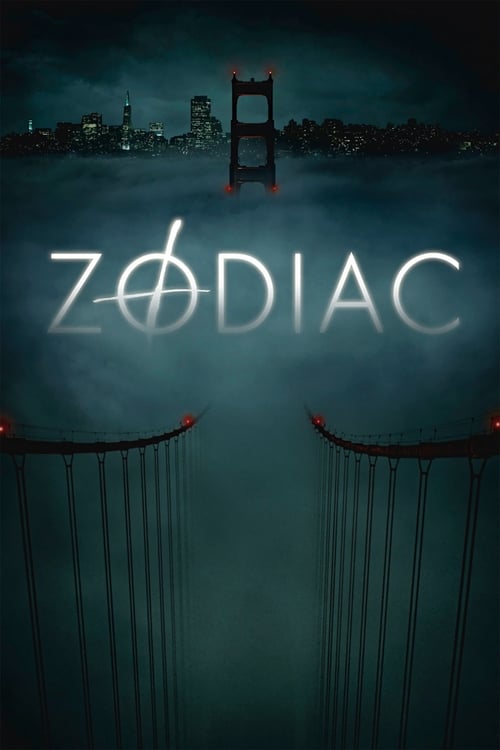
Zodiac
The Zodiac murders cause the lives of Paul Avery, David Toschi and Robert Graysmith to intersect.
Working with a respectable budget of $65.0M, the film achieved a modest success with $84.8M in global revenue (+30% profit margin).
3 wins & 71 nominations


Plot Structure
Story beats plotted across runtime


Narrative Arc
Emotional journey through the story's key moments
Story Circle
Blueprint 15-beat structure
Arcplot Score Breakdown
Weighted: Precision (70%) + Arc (15%) + Theme (15%)
Zodiac (2007) showcases strategically placed narrative architecture, characteristic of David Fincher's storytelling approach. This structural analysis examines how the film's 15-point plot structure maps to proven narrative frameworks across 2 hours and 37 minutes. With an Arcplot score of 6.3, the film takes an unconventional approach to traditional narrative frameworks.
Structural Analysis
The Status Quo at 2 minutes (1% through the runtime) establishes July 4th, 1969. Young couple Darlene Ferrin and Mike Mageau drive through Vallejo on a seemingly normal summer night, establishing the peaceful California setting before the Zodiac's terror begins.. Structural examination shows that this early placement immediately immerses viewers in the story world.
The inciting incident occurs at 19 minutes when The Zodiac's first cipher arrives at the Chronicle with the threat to kill again if not published. The killer enters the public consciousness and Graysmith becomes fascinated, beginning his fateful obsession with decoding the messages.. At 12% through the film, this Disruption aligns precisely with traditional story structure. This beat shifts the emotional landscape, launching the protagonist into the central conflict.
The First Threshold at 39 minutes marks the transition into Act II, occurring at 25% of the runtime. This illustrates the protagonist's commitment to Graysmith actively approaches Inspector Toschi and begins collecting case files, transforming from passive observer to active investigator. He crosses from his safe world of puzzles into the dangerous territory of obsession with a real killer., moving from reaction to action.
At 79 minutes, the Midpoint arrives at 50% of the runtime—precisely centered, creating perfect narrative symmetry. The analysis reveals that this crucial beat Title card: "Four Years Later." The investigation has stalled completely. Allen was released due to lack of evidence. The Zodiac has gone silent. This false defeat marks the case going cold—what seemed solvable has become an unsolvable obsession that has already claimed years of their lives., fundamentally raising what's at risk. The emotional intensity shifts, dividing the narrative into clear before-and-after phases.
The Collapse moment at 118 minutes (75% through) represents the emotional nadir. Here, Graysmith visits the basement of Bob Vaughn, a man connected to a Zodiac suspect, in a terrifying scene suggesting he may have found the killer—or walked into a trap. His family gone, career damaged, sanity questioned, Graysmith faces the ultimate whiff of death: becoming a victim himself., reveals the protagonist at their lowest point. This beat's placement in the final quarter sets up the climactic reversal.
The Second Threshold at 126 minutes initiates the final act resolution at 80% of the runtime. Graysmith tracks down the one surviving victim, Mike Mageau, who identifies Arthur Leigh Allen from a photo lineup. After years of circumstantial evidence, Graysmith finally has eyewitness confirmation—enough personal certainty to complete his book and confront Allen directly., demonstrating the transformation achieved throughout the journey.
Emotional Journey
Zodiac's emotional architecture traces a deliberate progression across 15 carefully calibrated beats.
Narrative Framework
This structural analysis employs proven narrative structure principles that track dramatic progression. By mapping Zodiac against these established plot points, we can identify how David Fincher utilizes or subverts traditional narrative conventions. The plot point approach reveals not only adherence to structural principles but also creative choices that distinguish Zodiac within the crime genre.
David Fincher's Structural Approach
Among the 9 David Fincher films analyzed on Arcplot, the average structural score is 5.9, showcasing experimental approaches to narrative form. Zodiac represents one of the director's most structurally precise works. For comparative analysis, explore the complete David Fincher filmography.
Comparative Analysis
Additional crime films include The Bad Guys, Rustom and The Whole Ten Yards. For more David Fincher analyses, see The Girl with the Dragon Tattoo, The Curious Case of Benjamin Button and The Social Network.
Plot Points by Act
Act I
SetupStatus Quo
July 4th, 1969. Young couple Darlene Ferrin and Mike Mageau drive through Vallejo on a seemingly normal summer night, establishing the peaceful California setting before the Zodiac's terror begins.
Theme
Paul Avery tells Graysmith about the cipher: "He wants the attention. That's the whole point." This establishes the film's exploration of obsession—both the killer's need for recognition and the investigators' compulsion to solve the puzzle.
Worldbuilding
The San Francisco Chronicle newsroom buzzes with activity as the Zodiac letters arrive. We meet cartoonist Robert Graysmith, crime reporter Paul Avery, and see the SFPD's initial response. Graysmith is established as a puzzle enthusiast who doesn't drink—an outsider observing from the margins.
Disruption
The Zodiac's first cipher arrives at the Chronicle with the threat to kill again if not published. The killer enters the public consciousness and Graysmith becomes fascinated, beginning his fateful obsession with decoding the messages.
Resistance
Graysmith watches from the sidelines as professionals work the case. The cipher is cracked by amateur codebreakers. Lake Berryessa attack occurs. Cab driver Paul Stine is murdered. Graysmith debates entering the investigation himself, collecting information while remaining the "cartoonist who doesn't drink."
Act II
ConfrontationFirst Threshold
Graysmith actively approaches Inspector Toschi and begins collecting case files, transforming from passive observer to active investigator. He crosses from his safe world of puzzles into the dangerous territory of obsession with a real killer.
Mirror World
Graysmith meets Melanie at a screening, beginning a relationship that represents normalcy and what he stands to lose. She embodies the balanced life he could have if he walked away from the case—love, family, stability versus obsession.
Premise
The investigation unfolds across multiple jurisdictions. Suspects emerge and are eliminated. Arthur Leigh Allen becomes a prime suspect but can't be definitively connected. Graysmith, Toschi, and Avery each pursue leads, the case consuming them as years pass and the Zodiac seemingly vanishes.
Midpoint
Title card: "Four Years Later." The investigation has stalled completely. Allen was released due to lack of evidence. The Zodiac has gone silent. This false defeat marks the case going cold—what seemed solvable has become an unsolvable obsession that has already claimed years of their lives.
Opposition
The personal costs mount devastatingly. Avery descends into alcoholism and paranoia after receiving threats. Toschi is accused of writing the Zodiac letters himself, destroying his reputation. Graysmith's marriage crumbles as Melanie leaves, taking their children. Every investigator pays a terrible price.
Collapse
Graysmith visits the basement of Bob Vaughn, a man connected to a Zodiac suspect, in a terrifying scene suggesting he may have found the killer—or walked into a trap. His family gone, career damaged, sanity questioned, Graysmith faces the ultimate whiff of death: becoming a victim himself.
Crisis
Graysmith processes the terror and loss. Everything he had is gone—his marriage, his normal life, potentially his sanity. He must decide whether to abandon his obsession or push through to find the truth that has cost him everything.
Act III
ResolutionSecond Threshold
Graysmith tracks down the one surviving victim, Mike Mageau, who identifies Arthur Leigh Allen from a photo lineup. After years of circumstantial evidence, Graysmith finally has eyewitness confirmation—enough personal certainty to complete his book and confront Allen directly.
Synthesis
Graysmith visits the hardware store where Allen works, the two men locking eyes—hunter and hunted, obsessed and obsession. Graysmith publishes his book. Title cards reveal Allen died before DNA testing, the case officially unsolved but Graysmith personally certain of the killer's identity.
Transformation
Final title cards reveal the case remains officially open. Graysmith found his answer but the world never got legal closure. He transformed from innocent cartoonist to obsessed investigator who sacrificed everything—yet found a kind of peace in personal certainty, even without justice.