
12 Angry Men
The defense and the prosecution have rested, and the jury is filing into the jury room to decide if a young man is guilty or innocent of murdering his father. What begins as an open-and-shut case of murder soon becomes a detective story that presents a succession of clues creating doubt, and a mini-drama of each of the jurors' prejudices and preconceptions about the trial, the accused, AND each other. Based on the play, all of the action takes place on the stage of the jury room.
Despite its microbudget of $398K, 12 Angry Men became a box office phenomenon, earning $4.4M worldwide—a remarkable 996% return. The film's unique voice resonated with audiences, confirming that strong storytelling can transcend budget limitations.
Nominated for 3 Oscars. 16 wins & 12 nominations


Plot Structure
Story beats plotted across runtime


Narrative Arc
Emotional journey through the story's key moments
Story Circle
Blueprint 15-beat structure
Arcplot Score Breakdown
Weighted: Precision (70%) + Arc (15%) + Theme (15%)
12 Angry Men (1957) reveals strategically placed plot construction, characteristic of Sidney Lumet's storytelling approach. This structural analysis examines how the film's 15-point plot structure maps to proven narrative frameworks across 1 hour and 36 minutes. With an Arcplot score of 4.9, the film takes an unconventional approach to traditional narrative frameworks.
Characters
Cast & narrative archetypes
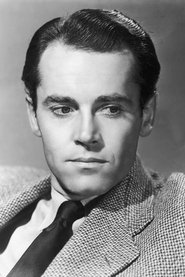
Juror 8 (Davis)
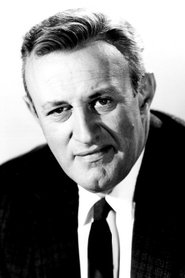
Juror 3 (Lee J. Cobb)
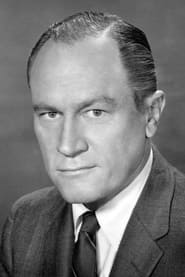
Juror 4

Juror 9 (Old Man)
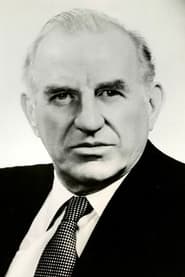
Juror 10
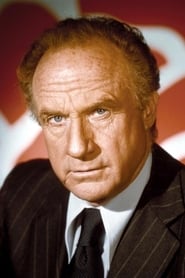
Juror 7
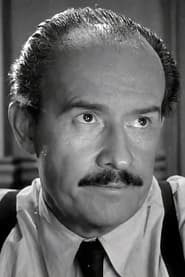
Juror 11
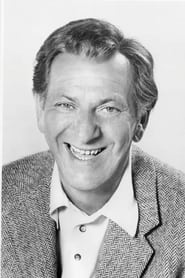
Juror 5
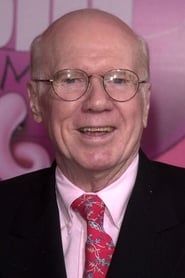
Juror 2
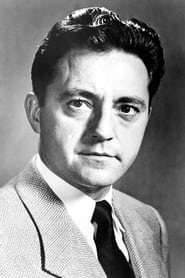
Juror 6
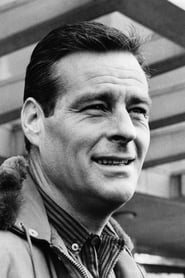
Juror 12

Juror 1 (Foreman)
Main Cast & Characters
Juror 8 (Davis)
Played by Henry Fonda
An architect who is the sole dissenting vote, advocating for careful deliberation and reasonable doubt in a murder trial.
Juror 3 (Lee J. Cobb)
Played by Lee J. Cobb
An aggressive businessman with a personal vendetta, the last holdout for conviction, whose broken relationship with his son clouds his judgment.
Juror 4
Played by E.G. Marshall
A logical, well-dressed stockbroker who values facts and reason, initially votes guilty but is open to logical persuasion.
Juror 9 (Old Man)
Played by Joseph Sweeney
The eldest juror, observant and wise, the first to support Juror 8 and provides crucial insights about witness testimony.
Juror 10
Played by Ed Begley
A bigoted garage owner who expresses racist views and lets prejudice dominate his judgment until he is ostracized by the group.
Juror 7
Played by Jack Warden
A wisecracking salesman eager to leave for a baseball game, votes with the majority to expedite deliberations.
Juror 11
Played by George Voskovec
A European immigrant watchmaker who deeply respects the American justice system and values the democratic process.
Juror 5
Played by Jack Klugman
A young man from the slums who provides street knowledge about switchblades and takes the case personally.
Juror 2
Played by John Fiedler
A meek bank clerk who is initially timid but gains confidence through the deliberation process.
Juror 6
Played by Edward Binns
A working-class house painter, honest and straightforward, who stands up against bullying behavior.
Juror 12
Played by Robert Webber
An advertising executive who is easily swayed and changes his vote multiple times based on others' arguments.
Juror 1 (Foreman)
Played by Martin Balsam
An assistant high school football coach who serves as foreman, attempting to maintain order and facilitate discussion.
Structural Analysis
The Status Quo at 1 minutes (1% through the runtime) establishes The judge delivers monotone instructions to the jury, establishing the weight of a capital murder case. The camera pans across twelve tired, indifferent faces in a hot courtroom - men ready to dispatch justice quickly and go home.. Significantly, this early placement immediately immerses viewers in the story world.
The inciting incident occurs at 10 minutes when The first vote is called: eleven hands rise for guilty. Juror #8 alone votes not guilty, stunning the room. His single raised hand disrupts what everyone assumed would be a five-minute formality, forcing confrontation with their assumptions.. At 11% through the film, this Disruption aligns precisely with traditional story structure. This beat shifts the emotional landscape, launching the protagonist into the central conflict.
The First Threshold at 22 minutes marks the transition into Act II, occurring at 23% of the runtime. This indicates the protagonist's commitment to Juror #8 proposes a secret ballot: if all eleven others vote guilty, he'll join them. The vote reveals one "not guilty" - Juror #9, the elderly man, has found courage to stand. The deliberation transforms from formality to genuine inquiry., moving from reaction to action.
At 43 minutes, the Midpoint arrives at 45% of the runtime—arriving early, accelerating into Act IIb complications. Of particular interest, this crucial beat The vote shifts to 6-6, a tie. What began as 11-1 for guilty has reached equilibrium. Juror #8's approach has succeeded in creating genuine doubt. The false victory: it seems reason is prevailing, but the hardest confrontations are still ahead., fundamentally raising what's at risk. The emotional intensity shifts, dividing the narrative into clear before-and-after phases.
The Collapse moment at 65 minutes (67% through) represents the emotional nadir. Here, Juror #10's racist monologue poisons the room: "You know how these people lie... They're born liars." One by one, jurors turn away in disgust. The whiff of death: prejudice itself is exposed and dies in this room, but it reveals how close they came to condemning a boy based on bias, not evidence., shows the protagonist at their lowest point. This beat's placement in the final quarter sets up the climactic reversal.
The Second Threshold at 70 minutes initiates the final act resolution at 73% of the runtime. Juror #9 notices that Juror #4 keeps rubbing his nose - he wears glasses that leave marks. The woman witness across the street also had glasses marks. She couldn't have seen clearly without glasses, which no one wears to bed. This synthesis of observation demolishes the final evidence., demonstrating the transformation achieved throughout the journey.
Emotional Journey
12 Angry Men's emotional architecture traces a deliberate progression across 15 carefully calibrated beats.
Narrative Framework
This structural analysis employs systematic plot point analysis that identifies crucial turning points. By mapping 12 Angry Men against these established plot points, we can identify how Sidney Lumet utilizes or subverts traditional narrative conventions. The plot point approach reveals not only adherence to structural principles but also creative choices that distinguish 12 Angry Men within the crime genre.
Sidney Lumet's Structural Approach
Among the 15 Sidney Lumet films analyzed on Arcplot, the average structural score is 6.8, demonstrating varied approaches to story architecture. 12 Angry Men takes a more unconventional approach compared to the director's typical style. For comparative analysis, explore the complete Sidney Lumet filmography.
Comparative Analysis
Additional crime films include The Bad Guys, Rustom and The Whole Ten Yards. For more Sidney Lumet analyses, see Guilty as Sin, Dog Day Afternoon and Murder on the Orient Express.
Plot Points by Act
Act I
SetupStatus Quo
The judge delivers monotone instructions to the jury, establishing the weight of a capital murder case. The camera pans across twelve tired, indifferent faces in a hot courtroom - men ready to dispatch justice quickly and go home.
Theme
The judge states: "If there is a reasonable doubt in your minds as to the guilt of the accused, you must bring me a verdict of not guilty." This establishes the film's central thesis - the sacred responsibility of reasonable doubt.
Worldbuilding
The jurors file into the deliberation room, establishing personalities through small talk. The foreman organizes seating. The oppressive heat is emphasized. Characters reveal themselves: the impatient salesman, the bigoted garage owner, the analytical stockbroker. Most assume a quick guilty verdict.
Disruption
The first vote is called: eleven hands rise for guilty. Juror #8 alone votes not guilty, stunning the room. His single raised hand disrupts what everyone assumed would be a five-minute formality, forcing confrontation with their assumptions.
Resistance
Juror #8 explains he simply wants to talk - a boy's life is at stake. He faces ridicule and hostility. The evidence is reviewed: the old man's testimony, the woman across the street, the unique knife. Juror #8 produces an identical knife, creating the first crack in certainty.
Act II
ConfrontationFirst Threshold
Juror #8 proposes a secret ballot: if all eleven others vote guilty, he'll join them. The vote reveals one "not guilty" - Juror #9, the elderly man, has found courage to stand. The deliberation transforms from formality to genuine inquiry.
Mirror World
Juror #9 explains why he changed his vote: he respects Juror #8's courage to stand alone against ridicule. This establishes the thematic mirror - it's not about evidence yet, but about moral courage inspiring moral courage, the real transformation the film explores.
Premise
The "fun and games" of logical deduction unfold. Juror #8 methodically dismantles testimony: timing the old man's walk, questioning how the boy's voice was heard over the el train. Jurors begin switching votes. Each piece of evidence is reexamined with fresh skepticism.
Midpoint
The vote shifts to 6-6, a tie. What began as 11-1 for guilty has reached equilibrium. Juror #8's approach has succeeded in creating genuine doubt. The false victory: it seems reason is prevailing, but the hardest confrontations are still ahead.
Opposition
Resistance intensifies. Juror #3 becomes increasingly aggressive and personal. Juror #10 unleashes a bigoted tirade that causes others to literally turn their backs. Personal wounds emerge: Juror #3's estrangement from his son, Juror #4's cold rationalism. The debate grows ugly and emotional.
Collapse
Juror #10's racist monologue poisons the room: "You know how these people lie... they're born liars." One by one, jurors turn away in disgust. The whiff of death: prejudice itself is exposed and dies in this room, but it reveals how close they came to condemning a boy based on bias, not evidence.
Crisis
In the aftermath of Juror #10's outburst, the room sits in shamed silence. Juror #4 quietly tells #10 to sit down and never speak again. The jurors must reconcile that prejudice nearly determined their verdict. Only Juror #3 and #4 remain for guilty.
Act III
ResolutionSecond Threshold
Juror #9 notices that Juror #4 keeps rubbing his nose - he wears glasses that leave marks. The woman witness across the street also had glasses marks. She couldn't have seen clearly without glasses, which no one wears to bed. This synthesis of observation demolishes the final evidence.
Synthesis
Juror #4 changes his vote after the glasses revelation. Only Juror #3 remains. He rages, threatens, pulls out the photo of his estranged son. His vote was never about the defendant - it was about his own failed relationship. He tears the photo and breaks down sobbing: "Not guilty."
Transformation
Outside the courthouse, Juror #8 and Juror #9 exchange names - Davis and McCardle - the only names revealed in the film. They part as strangers who briefly shared something profound. The final image: ordinary men walking away, having upheld justice through courage and reason.