
20,000 Leagues Under the Sea
The oceans during the late 1800s are no longer safe; many ships have been lost. Sailors have returned to port with stories of a vicious narwhal (a giant whale with a long horn) which sinks their ships. A naturalist, Professor (Pierre) Aronnax, his assistant, Conseil, and a professional whaler, Ned Land, join a US expedition which attempts to unravel the mystery.
Despite its modest budget of $5.0M, 20,000 Leagues Under the Sea became a commercial success, earning $28.2M worldwide—a 464% return. The film's innovative storytelling connected with viewers, demonstrating that strong storytelling can transcend budget limitations.
2 Oscars. 5 wins & 3 nominations


Plot Structure
Story beats plotted across runtime


Narrative Arc
Emotional journey through the story's key moments
Story Circle
Blueprint 15-beat structure
Arcplot Score Breakdown
Weighted: Precision (70%) + Arc (15%) + Theme (15%)
20,000 Leagues Under the Sea (1954) showcases strategically placed narrative design, characteristic of Richard Fleischer's storytelling approach. This structural analysis examines how the film's 15-point plot structure maps to proven narrative frameworks across 2 hours and 7 minutes. With an Arcplot score of 7.0, the film balances conventional beats with creative variation.
Characters
Cast & narrative archetypes

Ned Land

Captain Nemo
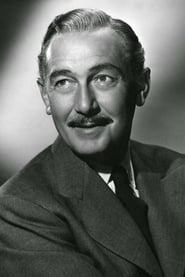
Professor Pierre Aronnax

Conseil
Main Cast & Characters
Ned Land
Played by Kirk Douglas
A brash Canadian harpooner who values freedom and resents captivity aboard the Nautilus.
Captain Nemo
Played by James Mason
The enigmatic captain of the Nautilus who wages war against surface civilization from beneath the sea.
Professor Pierre Aronnax
Played by Paul Lukas
A French marine biologist seeking scientific knowledge who becomes fascinated by Nemo and his underwater world.
Conseil
Played by Peter Lorre
Aronnax's loyal servant and assistant who follows his master into captivity with unwavering dedication.
Structural Analysis
The Status Quo at 1 minutes (1% through the runtime) establishes Ships disappear mysteriously in the Pacific, with terrified sailors spreading tales of a sea monster. The world's shipping lanes are gripped by fear as headlines declare the unknown menace.. The analysis reveals that this early placement immediately immerses viewers in the story world.
The inciting incident occurs at 15 minutes when The Abraham Lincoln encounters and attacks the "monster," but the creature rams the ship. Aronnax, Conseil, and Ned are thrown overboard into the dark Pacific, their expedition destroyed.. At 12% through the film, this Disruption aligns precisely with traditional story structure. This beat shifts the emotional landscape, launching the protagonist into the central conflict.
The First Threshold at 32 minutes marks the transition into Act II, occurring at 25% of the runtime. This reveals the protagonist's commitment to Aronnax chooses to accept Nemo's offer to remain aboard and study the secrets of the sea, trading his freedom for knowledge. He convinces Ned and Conseil to stay, crossing into Nemo's underwater world., moving from reaction to action.
At 64 minutes, the Midpoint arrives at 50% of the runtime—precisely centered, creating perfect narrative symmetry. Of particular interest, this crucial beat Nemo sinks a warship, revealing his mission is revenge—he's destroying the munitions ships that supply the wars that enslaved and killed his family. Aronnax realizes the knowledge he covets comes from a man who uses it for destruction, a false victory turned sour., fundamentally raising what's at risk. The emotional intensity shifts, dividing the narrative into clear before-and-after phases.
The Collapse moment at 95 minutes (75% through) represents the emotional nadir. Here, Warships arrive at Vulcania, having traced Ned's messages. Nemo is shot by soldiers during the confrontation. The captain's dream of a world free from war dies as his own creation brings the very destruction he fled from to his doorstep., shows the protagonist at their lowest point. This beat's placement in the final quarter sets up the climactic reversal.
The Second Threshold at 102 minutes initiates the final act resolution at 80% of the runtime. Nemo, dying, triggers the destruction of Vulcania and sets the Nautilus to sink—taking his dangerous secrets to the grave. Aronnax finally understands: some knowledge must wait until humanity is ready for it., demonstrating the transformation achieved throughout the journey.
Emotional Journey
20,000 Leagues Under the Sea's emotional architecture traces a deliberate progression across 15 carefully calibrated beats.
Narrative Framework
This structural analysis employs proven narrative structure principles that track dramatic progression. By mapping 20,000 Leagues Under the Sea against these established plot points, we can identify how Richard Fleischer utilizes or subverts traditional narrative conventions. The plot point approach reveals not only adherence to structural principles but also creative choices that distinguish 20,000 Leagues Under the Sea within the adventure genre.
Richard Fleischer's Structural Approach
Among the 8 Richard Fleischer films analyzed on Arcplot, the average structural score is 7.0, demonstrating varied approaches to story architecture. 20,000 Leagues Under the Sea represents one of the director's most structurally precise works. For comparative analysis, explore the complete Richard Fleischer filmography.
Comparative Analysis
Additional adventure films include The Black Stallion, The Bad Guys and Puss in Boots. For more Richard Fleischer analyses, see Red Sonja, Conan the Destroyer and Amityville 3-D.
Plot Points by Act
Act I
SetupStatus Quo
Ships disappear mysteriously in the Pacific, with terrified sailors spreading tales of a sea monster. The world's shipping lanes are gripped by fear as headlines declare the unknown menace.
Theme
Professor Aronnax tells the press that the sea holds secrets man was not meant to know, yet he believes science must pursue understanding even at great risk—foreshadowing the film's exploration of whether knowledge can be separated from its destructive applications.
Worldbuilding
Professor Aronnax and his assistant Conseil arrive in San Francisco seeking passage to investigate the sea monster. They meet the brash harpooner Ned Land and join a naval expedition aboard the Abraham Lincoln to hunt the creature.
Disruption
The Abraham Lincoln encounters and attacks the "monster," but the creature rams the ship. Aronnax, Conseil, and Ned are thrown overboard into the dark Pacific, their expedition destroyed.
Resistance
The three castaways discover the monster is actually a submarine—the Nautilus. They are taken aboard as prisoners and meet the enigmatic Captain Nemo, who debates whether to let them live. Aronnax is torn between scientific fascination and fear of their captor.
Act II
ConfrontationFirst Threshold
Aronnax chooses to accept Nemo's offer to remain aboard and study the secrets of the sea, trading his freedom for knowledge. He convinces Ned and Conseil to stay, crossing into Nemo's underwater world.
Mirror World
Aronnax tours the Nautilus and witnesses Nemo's underwater harvests, his pipe organ performances, and his vision of humanity freed from surface wars. This relationship with Nemo embodies the theme—Nemo represents what Aronnax could become if genius is unchecked by conscience.
Premise
The wonders of undersea life unfold: coral forests, pearl diving, the underwater funeral, Ned's comic attempts to escape, and the giant squid attack. Aronnax becomes increasingly seduced by Nemo's world while Ned plots their freedom.
Midpoint
Nemo sinks a warship, revealing his mission is revenge—he's destroying the munitions ships that supply the wars that enslaved and killed his family. Aronnax realizes the knowledge he covets comes from a man who uses it for destruction, a false victory turned sour.
Opposition
Aronnax struggles with his conscience as Nemo continues sinking ships. Ned manages to send message bottles revealing Vulcania's location. Nemo becomes more paranoid and controlling. The tension between Aronnax's scientific wonder and moral horror intensifies.
Collapse
Warships arrive at Vulcania, having traced Ned's messages. Nemo is shot by soldiers during the confrontation. The captain's dream of a world free from war dies as his own creation brings the very destruction he fled from to his doorstep.
Crisis
Mortally wounded, Nemo returns to the Nautilus. Aronnax confronts the tragedy—Nemo's genius destroyed by his own hatred, his discoveries about to die with him. The professor must choose between saving Nemo's knowledge and saving himself.
Act III
ResolutionSecond Threshold
Nemo, dying, triggers the destruction of Vulcania and sets the Nautilus to sink—taking his dangerous secrets to the grave. Aronnax finally understands: some knowledge must wait until humanity is ready for it.
Synthesis
Ned, Conseil, and Aronnax fight to escape the sinking Nautilus as Vulcania explodes. Nemo dies at the viewport, watching his beloved sea one final time. The survivors reach the surface as the island is consumed in atomic fire.
Transformation
Aronnax, Ned, and Conseil float safely away as the Nautilus sinks forever. Aronnax has lost the scientific secrets he craved but gained wisdom—his voice-over reflects that perhaps the world is not yet ready for Nemo's discoveries, and hope remains for a better future.