
A Fistful of Dollars
Drifter gunman Joe (Clint Eastwood) arrives in the Mexican village of San Miguel at the border of the United States of America, and befriends the owner of the local bar, Silvanito. Joe discovers that the town is dominated by two gangster lords: John Baxter (Wolfgang Lukschy) and the cruel Ramón Rojo (Gian Maria Volontè). When Joe kills four men of Baxter's gang, he is hired by Ramón's brother Esteban Rojo (Sieghardt Rupp) to join their gang. However, Joe decides to work for both sides, playing one side against the other.
Despite its minimal budget of $200K, A Fistful of Dollars became a runaway success, earning $14.5M worldwide—a remarkable 7150% return. The film's bold vision found its audience, showing that strong storytelling can transcend budget limitations.
1 win & 5 nominations


Plot Structure
Story beats plotted across runtime


Narrative Arc
Emotional journey through the story's key moments
Story Circle
Blueprint 15-beat structure
Arcplot Score Breakdown
Weighted: Precision (70%) + Arc (15%) + Theme (15%)
A Fistful of Dollars (1964) reveals precise plot construction, characteristic of Sergio Leone's storytelling approach. This structural analysis examines how the film's 15-point plot structure maps to proven narrative frameworks across 1 hour and 39 minutes. With an Arcplot score of 6.7, the film balances conventional beats with creative variation.
Characters
Cast & narrative archetypes

The Man with No Name

Ramón Rojo

Marisol
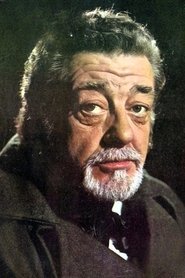
Silvanito

John Baxter
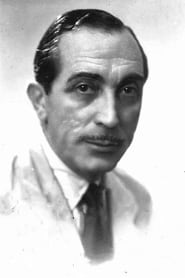
Don Miguel Rojo

Esteban Rojo
Main Cast & Characters
The Man with No Name
Played by Clint Eastwood
A mysterious gunslinger who arrives in a Mexican border town and manipulates two rival families for profit.
Ramón Rojo
Played by Gian Maria Volontè
The ruthless youngest brother of the Rojo family, a skilled gunman who enjoys killing and controls through fear.
Marisol
Played by Marianne Koch
A woman held captive by the Rojos, separated from her husband and son, caught between the warring families.
Silvanito
Played by José Calvo
The local innkeeper and the stranger's only ally, who provides information and warns of danger.
John Baxter
Played by Wolfgang Lukschy
The American leader of the Baxter family, rival to the Rojos in the struggle for control of San Miguel.
Don Miguel Rojo
Played by Antonio Prieto
The eldest Rojo brother and nominal head of the family, though dominated by his violent brother Ramón.
Esteban Rojo
Played by Sieghardt Rupp
The middle Rojo brother, more calculating than Ramón but equally ruthless in business dealings.
Structural Analysis
The Status Quo at 1 minutes (1% through the runtime) establishes A lone stranger rides into the desolate border town of San Miguel on his mule, passing through an empty, wind-swept landscape. The solitary figure establishes him as a drifter with no ties—a man existing outside society's rules.. The analysis reveals that this early placement immediately immerses viewers in the story world.
The inciting incident occurs at 12 minutes when The stranger makes his presence known by killing four Baxter gunmen who mock him. "My mule don't like people laughing." This violent display disrupts the town's fragile balance and announces him as a new player in the deadly game between the families.. At 12% through the film, this Disruption aligns precisely with traditional story structure. This beat shifts the emotional landscape, launching the protagonist into the central conflict.
The First Threshold at 25 minutes marks the transition into Act II, occurring at 25% of the runtime. This shows the protagonist's commitment to The stranger fully commits to his scheme by offering his services to the Rojos after demonstrating his shooting skills. He chooses to insert himself into the conflict rather than ride away, crossing from observer to active participant in the town's deadly power struggle., moving from reaction to action.
At 50 minutes, the Midpoint arrives at 50% of the runtime—precisely centered, creating perfect narrative symmetry. Notably, this crucial beat The Rojos massacre the Mexican cavalry and steal gold, with the stranger witnessing the brutality. Ramón's preferred weapon—the rifle—proves devastating. This false victory for the Rojos raises the stakes dramatically and reveals the depths of their evil, shifting the stranger from opportunist to something approaching a moral agent., fundamentally raising what's at risk. The emotional intensity shifts, dividing the narrative into clear before-and-after phases.
The Collapse moment at 74 minutes (75% through) represents the emotional nadir. Here, The Rojos capture and brutally beat the stranger nearly to death. Ramón's men torture him savagely while demanding to know where Marisol went. His scheme has collapsed entirely—broken, bloodied, and trapped in a basement, he faces certain death., demonstrates the protagonist at their lowest point. This beat's placement in the final quarter sets up the climactic reversal.
The Second Threshold at 79 minutes initiates the final act resolution at 80% of the runtime. Learning that Silvanito has been captured and will be killed, the stranger fashions a makeshift iron plate to wear under his poncho—using his knowledge of Ramón's preference for shooting at the heart. He chooses to return and face Ramón, no longer for money but for something like justice., demonstrating the transformation achieved throughout the journey.
Emotional Journey
A Fistful of Dollars's emotional architecture traces a deliberate progression across 15 carefully calibrated beats.
Narrative Framework
This structural analysis employs structural analysis methodology used to understand storytelling architecture. By mapping A Fistful of Dollars against these established plot points, we can identify how Sergio Leone utilizes or subverts traditional narrative conventions. The plot point approach reveals not only adherence to structural principles but also creative choices that distinguish A Fistful of Dollars within the drama genre.
Sergio Leone's Structural Approach
Among the 5 Sergio Leone films analyzed on Arcplot, the average structural score is 4.6, showcasing experimental approaches to narrative form. A Fistful of Dollars represents one of the director's most structurally precise works. For comparative analysis, explore the complete Sergio Leone filmography.
Comparative Analysis
Additional drama films include After Thomas, South Pacific and Dirty Dancing: Havana Nights. For more Sergio Leone analyses, see The Good, the Bad and the Ugly, For a Few Dollars More and Once Upon a Time in America.
Plot Points by Act
Act I
SetupStatus Quo
A lone stranger rides into the desolate border town of San Miguel on his mule, passing through an empty, wind-swept landscape. The solitary figure establishes him as a drifter with no ties—a man existing outside society's rules.
Theme
The innkeeper Silvanito warns the stranger about the town's two warring families: "In this town, there are two bosses... Get out while you can." This establishes the theme that greed and power corrupt, and that the town's moral decay stems from the feud between the Rojos and the Baxters.
Worldbuilding
The stranger explores San Miguel, witnessing the town's decay under the grip of the feuding Rojos (guns and liquor) and Baxters (legal authority). He sees a child kicked away from his imprisoned father, demonstrating the casual cruelty that defines this lawless place. The coffin maker Piripero stays busy.
Disruption
The stranger makes his presence known by killing four Baxter gunmen who mock him. "My mule don't like people laughing." This violent display disrupts the town's fragile balance and announces him as a new player in the deadly game between the families.
Resistance
Silvanito becomes the stranger's reluctant guide, explaining the families' history and warning him of the danger. The stranger weighs his options and hatches a scheme: he'll play both sides against each other for profit. "There's money to be made in a place like this."
Act II
ConfrontationFirst Threshold
The stranger fully commits to his scheme by offering his services to the Rojos after demonstrating his shooting skills. He chooses to insert himself into the conflict rather than ride away, crossing from observer to active participant in the town's deadly power struggle.
Mirror World
The stranger first sees Marisol, a beautiful woman held captive by Ramón Rojo as his mistress—taken from her husband Julio and young son. She represents everything the stranger claims not to care about: family, innocence, victimhood. Her sad eyes will eventually crack his mercenary facade.
Premise
The stranger plays both families masterfully. He engineers a prisoner exchange by staging dead soldiers, collects payment from both sides, and manipulates tensions. Classic Western action as he outwits corrupt men while the body count rises and the coffin maker prospers.
Midpoint
The Rojos massacre the Mexican cavalry and steal gold, with the stranger witnessing the brutality. Ramón's preferred weapon—the rifle—proves devastating. This false victory for the Rojos raises the stakes dramatically and reveals the depths of their evil, shifting the stranger from opportunist to something approaching a moral agent.
Opposition
Complications mount as the stranger secretly frees Marisol and her family, showing unexpected compassion. When Ramón discovers the betrayal through the stranger's gold coins, the hunter becomes the hunted. The Rojos destroy the Baxters, eliminating the stranger's ability to play sides.
Collapse
The Rojos capture and brutally beat the stranger nearly to death. Ramón's men torture him savagely while demanding to know where Marisol went. His scheme has collapsed entirely—broken, bloodied, and trapped in a basement, he faces certain death.
Crisis
Broken and barely alive, the stranger hides in a coffin while Piripero and Silvanito secretly nurse him back to health in an abandoned mine. The town believes him dead as the Rojos consolidate total power. The stranger must recover both physically and spiritually.
Act III
ResolutionSecond Threshold
Learning that Silvanito has been captured and will be killed, the stranger fashions a makeshift iron plate to wear under his poncho—using his knowledge of Ramón's preference for shooting at the heart. He chooses to return and face Ramón, no longer for money but for something like justice.
Synthesis
The stranger walks back into San Miguel for the final confrontation. In the iconic showdown, Ramón's rifle shots strike the hidden iron plate repeatedly as the stranger keeps advancing. He systematically eliminates the Rojo gang and finally outdraws Ramón: "When you have to shoot, shoot. Don't talk."
Transformation
The stranger rides out of San Miguel the same way he entered—alone on his mule. But he's changed: he refuses payment and leaves Silvanito alive and the town free. The drifter who came for profit leaves having done something good, though he'd never admit it.