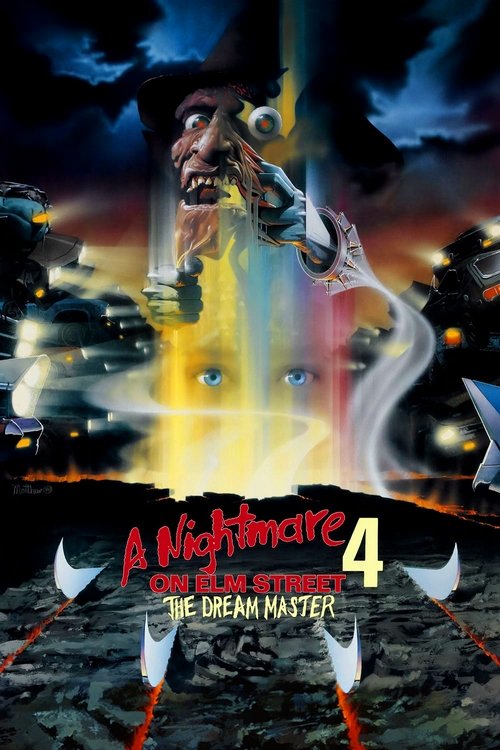
A Nightmare on Elm Street 4: The Dream Master
Freddy Krueger returns once again to terrorize the dreams of the remaining Dream Warriors, as well as those of a young woman who may be able to defeat him for good.
Despite its modest budget of $6.5M, A Nightmare on Elm Street 4: The Dream Master became a runaway success, earning $49.4M worldwide—a remarkable 660% return. The film's unique voice found its audience, showing that strong storytelling can transcend budget limitations.
2 wins & 9 nominations


Plot Structure
Story beats plotted across runtime


Narrative Arc
Emotional journey through the story's key moments
Story Circle
Blueprint 15-beat structure
Arcplot Score Breakdown
Weighted: Precision (70%) + Arc (15%) + Theme (15%)
A Nightmare on Elm Street 4: The Dream Master (1988) exemplifies carefully calibrated plot construction, characteristic of Renny Harlin's storytelling approach. This structural analysis examines how the film's 15-point plot structure maps to proven narrative frameworks across 1 hour and 33 minutes. With an Arcplot score of 7.0, the film balances conventional beats with creative variation.
Characters
Cast & narrative archetypes

Alice Johnson

Freddy Krueger

Kristen Parker

Dan Jordan

Debbie Stevens
Rick Johnson

Sheila Kopecky

Joey Crusel

Kincaid
Main Cast & Characters
Alice Johnson
Played by Lisa Wilcox
A shy, introverted teenager who inherits dream powers and becomes the Dream Master, humanity's defender against Freddy Krueger.
Freddy Krueger
Played by Robert Englund
The dream demon who terrorizes Elm Street teenagers, seeking revenge and power through their nightmares and deaths.
Kristen Parker
Played by Tuesday Knight
A Dream Warrior with the ability to pull others into her dreams, who passes her gift to Alice before being killed by Freddy.
Dan Jordan
Played by Danny Hassel
Alice's athletic boyfriend and star of the football team, who provides emotional support throughout her supernatural ordeal.
Debbie Stevens
Played by Brooke Theiss
Alice's tough, fitness-obsessed best friend who dreams of becoming a bodybuilder and falls victim to Freddy's cruelty.
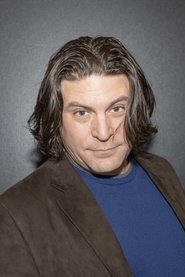
Rick Johnson
Played by Andras Jones
Alice's athletic older brother and Kristen's boyfriend, who tries to protect his friends from Freddy.
Sheila Kopecky
Played by Toy Newkirk
A brilliant, asthmatic student who is socially awkward and becomes one of Freddy's victims.
Joey Crusel
Played by Rodney Eastman
A shy, sweet-natured boy with a crush on Kristen who possesses supernatural strength in dreams.
Kincaid
Played by Ken Sagoes
A tough, street-smart Dream Warrior with enhanced strength who tries to protect his friends from Freddy.
Structural Analysis
The Status Quo at 1 minutes (1% through the runtime) establishes Kristen draws the familiar Elm Street house in her dream journal, establishing that the Dream Warriors survivors live in uneasy peace but remain haunted by their past trauma with Freddy.. The analysis reveals that this early placement immediately immerses viewers in the story world.
The inciting incident occurs at 12 minutes when Kincaid's dog Jason digs up Freddy's grave in a junkyard dream, and Freddy is resurrected through flaming dog urine on his bones. Freddy immediately kills Kincaid, announcing his return: "You shouldn't have buried me. I'm not dead.".. At 13% through the film, this Disruption is delayed, allowing extended setup of the story world. This beat shifts the emotional landscape, launching the protagonist into the central conflict.
The First Threshold at 23 minutes marks the transition into Act II, occurring at 25% of the runtime. This reveals the protagonist's commitment to Kristen dies in the boiler room, screaming Alice's name and transferring her dream power. Alice wakes knowing something terrible has happened and realizes she now carries Kristen's ability to pull others into dreams - making her Freddy's new gateway to victims., moving from reaction to action.
At 47 minutes, the Midpoint arrives at 50% of the runtime—precisely centered, creating perfect narrative symmetry. Structural examination shows that this crucial beat Alice's brother Rick is killed by an invisible Freddy in a dojo dream, despite his martial arts skills. Alice absorbs his fighting abilities but loses her brother. She realizes she's become the "Dream Master" - the one who controls who enters dreams - and is responsible for feeding Freddy victims., fundamentally raising what's at risk. The emotional intensity shifts, dividing the narrative into clear before-and-after phases.
The Collapse moment at 70 minutes (75% through) represents the emotional nadir. Here, Alice falls asleep while driving with Dan, pulling them both into a dream. Dan is critically injured in a car crash in the dream world. Alice realizes everyone she cares about will die because of her power - she's become the very thing she feared, a conduit for Freddy's murders., indicates the protagonist at their lowest point. This beat's placement in the final quarter sets up the climactic reversal.
The Second Threshold at 75 minutes initiates the final act resolution at 81% of the runtime. Alice recites the Dream Master rhyme and deliberately goes to sleep to confront Freddy. She finally embraces her role as Dream Master, understanding that the souls of her friends live within her and give her the power to fight. She chooses to be the hunter rather than the hunted., demonstrating the transformation achieved throughout the journey.
Emotional Journey
A Nightmare on Elm Street 4: The Dream Master's emotional architecture traces a deliberate progression across 15 carefully calibrated beats.
Narrative Framework
This structural analysis employs a 15-point narrative structure framework that maps key story moments. By mapping A Nightmare on Elm Street 4: The Dream Master against these established plot points, we can identify how Renny Harlin utilizes or subverts traditional narrative conventions. The plot point approach reveals not only adherence to structural principles but also creative choices that distinguish A Nightmare on Elm Street 4: The Dream Master within the horror genre.
Renny Harlin's Structural Approach
Among the 16 Renny Harlin films analyzed on Arcplot, the average structural score is 7.3, reflecting strong command of classical structure. A Nightmare on Elm Street 4: The Dream Master takes a more unconventional approach compared to the director's typical style. For comparative analysis, explore the complete Renny Harlin filmography.
Comparative Analysis
Additional horror films include Thinner, A Nightmare on Elm Street and Mary Reilly. For more Renny Harlin analyses, see Cutthroat Island, Mindhunters and The Legend of Hercules.
Plot Points by Act
Act I
SetupStatus Quo
Kristen draws the familiar Elm Street house in her dream journal, establishing that the Dream Warriors survivors live in uneasy peace but remain haunted by their past trauma with Freddy.
Theme
Alice's father tells her she needs to stop daydreaming and face reality, while the Dream Master rhyme is introduced: "Now I lay me down to sleep, the Master of Dreams my soul will keep." The theme of inner strength through embracing dreams and the souls of the lost is established.
Worldbuilding
The surviving Dream Warriors - Kristen, Joey, and Kincaid - attempt normal teenage lives in Springwood. Alice is introduced as Kristen's shy, introverted friend who daydreams constantly. Her brother Rick dates Kristen. The group dynamics and Alice's insecurity are established.
Disruption
Kincaid's dog Jason digs up Freddy's grave in a junkyard dream, and Freddy is resurrected through flaming dog urine on his bones. Freddy immediately kills Kincaid, announcing his return: "You shouldn't have buried me. I'm not dead."
Resistance
Freddy kills Joey in his waterbed dream. Kristen realizes Freddy has returned and desperately tries to warn others. She accidentally pulls Alice into her dream, passing on her power. Kristen is killed in the boiler room, but transfers her dream abilities to Alice as she dies.
Act II
ConfrontationFirst Threshold
Kristen dies in the boiler room, screaming Alice's name and transferring her dream power. Alice wakes knowing something terrible has happened and realizes she now carries Kristen's ability to pull others into dreams - making her Freddy's new gateway to victims.
Mirror World
Alice discovers her mirror covered with photos and dreams is changing - she's beginning to absorb Kristen's confidence. Her relationship with Dan deepens as he becomes her ally, representing the love and connection that will ultimately help her find strength.
Premise
Alice inadvertently pulls friends into dreams where Freddy kills them. Sheila the asthmatic dies when Freddy sucks her breath. Each death transfers the victim's abilities to Alice - she gains Sheila's intelligence, becoming stronger with each loss while guilt consumes her.
Midpoint
Alice's brother Rick is killed by an invisible Freddy in a dojo dream, despite his martial arts skills. Alice absorbs his fighting abilities but loses her brother. She realizes she's become the "Dream Master" - the one who controls who enters dreams - and is responsible for feeding Freddy victims.
Opposition
Alice tries to stay awake to protect remaining friends. Debbie is transformed into a cockroach and crushed. Alice grows more powerful with each absorbed soul but can't stop the cycle. Dan helps her research the Dream Master legend, discovering Freddy's weakness lies in releasing the souls he's captured.
Collapse
Alice falls asleep while driving with Dan, pulling them both into a dream. Dan is critically injured in a car crash in the dream world. Alice realizes everyone she cares about will die because of her power - she's become the very thing she feared, a conduit for Freddy's murders.
Crisis
Alice sits with the unconscious Dan in the hospital, consumed by guilt and despair. She's lost her brother, her friends, and nearly killed the boy she loves. She must choose: stay awake forever in isolation, or face Freddy with the combined powers of all her dead friends.
Act III
ResolutionSecond Threshold
Alice recites the Dream Master rhyme and deliberately goes to sleep to confront Freddy. She finally embraces her role as Dream Master, understanding that the souls of her friends live within her and give her the power to fight. She chooses to be the hunter rather than the hunted.
Synthesis
Alice battles Freddy in the dream church, using the combined abilities of all her absorbed friends. She forces Freddy to see his own reflection, releasing the souls of his victims from within him. The trapped souls tear Freddy apart from the inside, destroying him.
Transformation
Alice, now confident and transformed, visits Dan in the hospital as he recovers. She looks into a fountain and sees her reflection - no longer the shy girl covered in photos of others, but a strong young woman. However, a child's reflection in the water recites the Freddy rhyme, hinting the nightmare may not be over.