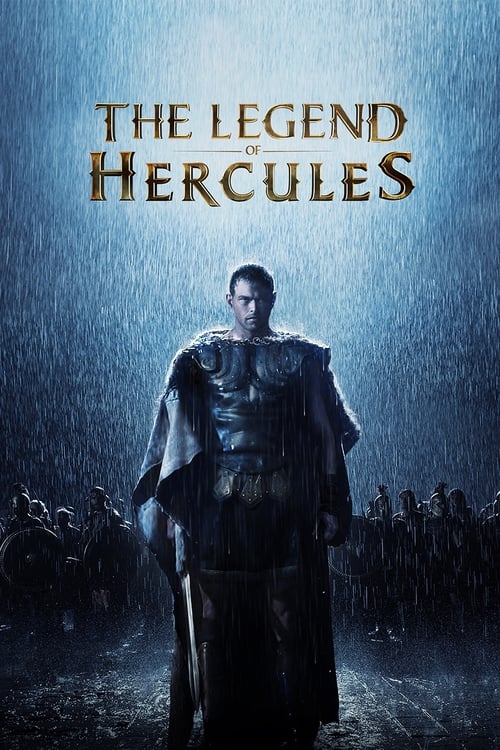
The Legend of Hercules
In Ancient Greece 1200 B.C., a queen succumbs to the lust of Zeus to bear a son promised to overthrow the tyrannical rule of the king and restore peace to a land in hardship. But this prince, Hercules, knows nothing of his real identity or his destiny. He desires only one thing: the love of Hebe, Princess of Crete, who has been promised to his own brother. When Hercules learns of his greater purpose, he must choose: to flee with his true love or to fulfill his destiny and become the true hero of his time. The story behind one of the greatest myths is revealed in this action-packed epic - a tale of love, sacrifice and the strength of the human spirit.
The film underperformed commercially against its mid-range budget of $70.0M, earning $61.3M globally (-12% loss).
1 win & 7 nominations


Plot Structure
Story beats plotted across runtime


Narrative Arc
Emotional journey through the story's key moments
Story Circle
Blueprint 15-beat structure
Arcplot Score Breakdown
Weighted: Precision (70%) + Arc (15%) + Theme (15%)
The Legend of Hercules (2014) demonstrates precise narrative architecture, characteristic of Renny Harlin's storytelling approach. This structural analysis examines how the film's 15-point plot structure maps to proven narrative frameworks across 1 hour and 39 minutes. With an Arcplot score of 7.4, the film balances conventional beats with creative variation.
Structural Analysis
The Status Quo at 1 minutes (1% through the runtime) establishes Queen Alcmene prays to Hera for a son who will be a savior. Zeus answers, conceiving Hercules. The kingdom of Tiryns is shown under the brutal rule of King Amphitryon, establishing a world of conquest and tyranny.. Notably, this early placement immediately immerses viewers in the story world.
The inciting incident occurs at 12 minutes when Amphitryon discovers Alcides and Hebe's love and, threatened by prophecies about Alcides, sends him on a suicide mission to conquer Egypt. Alcides is betrayed and sold into slavery, separated from Hebe and his homeland.. At 13% through the film, this Disruption is delayed, allowing extended setup of the story world. This beat shifts the emotional landscape, launching the protagonist into the central conflict.
The First Threshold at 24 minutes marks the transition into Act II, occurring at 24% of the runtime. This demonstrates the protagonist's commitment to Alcides chooses to embrace his destiny. He decides to escape slavery not just for himself, but to return home, stop his father, save Hebe, and fulfill the prophecy. He begins to fight with purpose and lead others., moving from reaction to action.
At 50 minutes, the Midpoint arrives at 50% of the runtime—precisely centered, creating perfect narrative symmetry. Notably, this crucial beat Alcides and his men successfully escape and begin their journey back to Greece. Victory seems near - he has gained allies, embraced his power, and is returning to claim his destiny and rescue Hebe. However, Amphitryon learns he is alive., fundamentally raising what's at risk. The emotional intensity shifts, dividing the narrative into clear before-and-after phases.
The Collapse moment at 73 minutes (74% through) represents the emotional nadir. Here, Alcides is captured and brought before Amphitryon. In the confrontation, Amphitryon kills Alcides' mother, Queen Alcmene, before his eyes. Alcides is then crucified and left to die, losing everything - his mother, his freedom, seemingly his life., indicates the protagonist at their lowest point. This beat's placement in the final quarter sets up the climactic reversal.
The Second Threshold at 78 minutes initiates the final act resolution at 79% of the runtime. Zeus answers Alcides' prayer with lightning, healing and empowering him. Alcides fully becomes Hercules, accepting his identity as son of Zeus. He breaks free with godly strength, ready for the final confrontation with renewed power and purpose., demonstrating the transformation achieved throughout the journey.
Emotional Journey
The Legend of Hercules's emotional architecture traces a deliberate progression across 15 carefully calibrated beats.
Narrative Framework
This structural analysis employs a 15-point narrative structure framework that maps key story moments. By mapping The Legend of Hercules against these established plot points, we can identify how Renny Harlin utilizes or subverts traditional narrative conventions. The plot point approach reveals not only adherence to structural principles but also creative choices that distinguish The Legend of Hercules within the action genre.
Renny Harlin's Structural Approach
Among the 16 Renny Harlin films analyzed on Arcplot, the average structural score is 7.3, reflecting strong command of classical structure. The Legend of Hercules represents one of the director's most structurally precise works. For comparative analysis, explore the complete Renny Harlin filmography.
Comparative Analysis
Additional action films include The Bad Guys, Puss in Boots and Venom: The Last Dance. For more Renny Harlin analyses, see Cutthroat Island, Mindhunters and Exorcist: The Beginning.
Plot Points by Act
Act I
SetupStatus Quo
Queen Alcmene prays to Hera for a son who will be a savior. Zeus answers, conceiving Hercules. The kingdom of Tiryns is shown under the brutal rule of King Amphitryon, establishing a world of conquest and tyranny.
Theme
Young Alcides is told by his mother: "You were born to bring peace where there is war, and love where there is hate." This states the film's theme about true heroism being defined by compassion and justice, not violence.
Worldbuilding
Twenty years later, Alcides is strong but restless. He loves Princess Hebe, who is betrothed to his cruel brother Iphicles. Amphitryon favors Iphicles and plans conquest of Egypt. Alcides displays superhuman strength but is dismissed by his father.
Disruption
Amphitryon discovers Alcides and Hebe's love and, threatened by prophecies about Alcides, sends him on a suicide mission to conquer Egypt. Alcides is betrayed and sold into slavery, separated from Hebe and his homeland.
Resistance
Alcides is enslaved and forced to fight as a gladiator. He meets Sotiris, a fellow warrior who becomes his ally. Alcides resists his fate initially, fighting only to survive, not yet accepting his true identity as Hercules, son of Zeus.
Act II
ConfrontationFirst Threshold
Alcides chooses to embrace his destiny. He decides to escape slavery not just for himself, but to return home, stop his father, save Hebe, and fulfill the prophecy. He begins to fight with purpose and lead others.
Mirror World
Sotiris becomes Alcides' mentor figure and brother-in-arms, representing loyalty and honor. Their bond mirrors the theme that true strength comes from brotherhood and fighting for others, not personal glory.
Premise
Alcides becomes an undefeated gladiator, earning fame as "the Legend." He and Sotiris fight together, winning impossible battles. Alcides' powers grow as he accepts his divine heritage. They plan their escape and journey home.
Midpoint
Alcides and his men successfully escape and begin their journey back to Greece. Victory seems near - he has gained allies, embraced his power, and is returning to claim his destiny and rescue Hebe. However, Amphitryon learns he is alive.
Opposition
Amphitryon accelerates his plans, forcing Hebe to marry Iphicles. Alcides faces increasing resistance as he approaches home. Amphitryon's forces hunt them. The stakes rise as Alcides realizes he must confront his father directly in battle.
Collapse
Alcides is captured and brought before Amphitryon. In the confrontation, Amphitryon kills Alcides' mother, Queen Alcmene, before his eyes. Alcides is then crucified and left to die, losing everything - his mother, his freedom, seemingly his life.
Crisis
Alcides hangs dying on the cross, at his darkest moment. He calls out to his father Zeus. This is his dark night of the soul, where he must fully surrender to his divine heritage and accept who he truly is.
Act III
ResolutionSecond Threshold
Zeus answers Alcides' prayer with lightning, healing and empowering him. Alcides fully becomes Hercules, accepting his identity as son of Zeus. He breaks free with godly strength, ready for the final confrontation with renewed power and purpose.
Synthesis
Hercules returns to the palace, rallies the people, and confronts Amphitryon. He fights through the army, defeats Iphicles, and faces his stepfather in final combat. Using both his divine power and the compassion his mother taught him, he defeats Amphitryon and frees the kingdom.
Transformation
Hercules is crowned king with Hebe as his queen. The image mirrors the opening but transformed - where tyranny once reigned, now there is peace. Hercules has become the savior his mother prophesied, bringing love where there was hate, ruling with justice not conquest.