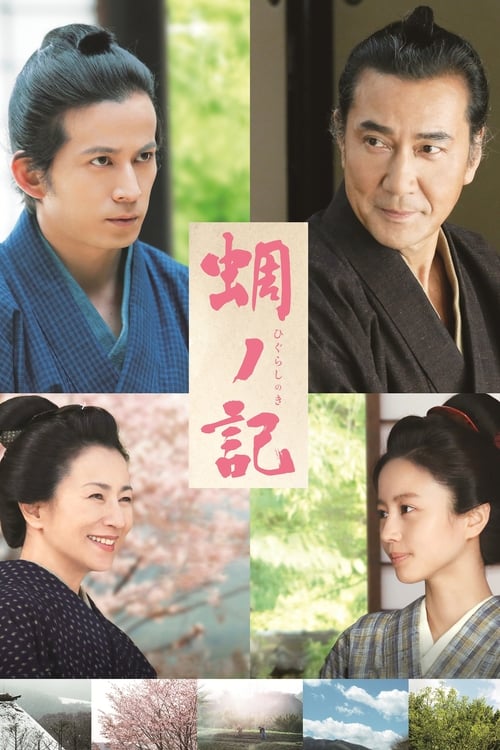
A Samurai Chronicle
A retired samurai must redeem himself for a crime that he committed earlier in his life.
The film earned $8.8M at the global box office.
Plot Structure
Story beats plotted across runtime


Narrative Arc
Emotional journey through the story's key moments
Story Circle
Blueprint 15-beat structure
Arcplot Score Breakdown
Weighted: Precision (70%) + Arc (15%) + Theme (15%)
A Samurai Chronicle (2014) demonstrates meticulously timed plot construction, characteristic of Takashi Koizumi's storytelling approach. This structural analysis examines how the film's 15-point plot structure maps to proven narrative frameworks across 2 hours and 9 minutes. With an Arcplot score of 7.2, the film balances conventional beats with creative variation.
Characters
Cast & narrative archetypes

Funaki Dennai

Toyo
Sakai Ohta
Tsunehiro Horio
Soejima
Main Cast & Characters
Funaki Dennai
Played by Takuya Kimura
A lower-ranked samurai who serves as a cook for his clan, chronicling his life through food and duty over thirty years.
Toyo
Played by Nana Eikura
Dennai's devoted wife who supports him through decades of service and hardship.
Sakai Ohta
Played by Hidetaka Yoshioka
Dennai's lord and master, whose demands and expectations shape Dennai's life.
Tsunehiro Horio
Played by Bokuzo Masana
Fellow samurai and friend who shares in the challenges of serving the clan.
Soejima
Played by Kengo Kora
A senior retainer who guides and advises the younger samurai.
Structural Analysis
The Status Quo at 2 minutes (2% through the runtime) establishes Lord Asano governs his domain peacefully in Edo, respected samurai serving with honor in the Shogun's court. The retainers live structured lives bound by duty and tradition.. The analysis reveals that this early placement immediately immerses viewers in the story world.
The inciting incident occurs at 16 minutes when Lord Asano, provoked beyond endurance by the corrupt court official Kira's insults and extortion, draws his sword in the Shogun's palace—a capital offense. The retainers' world shatters instantly.. At 12% through the film, this Disruption aligns precisely with traditional story structure. This beat shifts the emotional landscape, launching the protagonist into the central conflict.
The First Threshold at 33 minutes marks the transition into Act II, occurring at 26% of the runtime. This shows the protagonist's commitment to Oishi makes the decisive choice to avenge their master's death. He secretly begins organizing the loyal retainers into a conspiracy, knowing this path leads to certain death but upholds their honor., moving from reaction to action.
At 65 minutes, the Midpoint arrives at 50% of the runtime—precisely centered, creating perfect narrative symmetry. Structural examination shows that this crucial beat The conspirators successfully reunite in Edo after two years of separation and deception. Their plan gains momentum as Kira's vigilance has diminished. False victory: the raid seems achievable, but the true cost is yet to be faced., fundamentally raising what's at risk. The emotional intensity shifts, dividing the narrative into clear before-and-after phases.
The Collapse moment at 97 minutes (75% through) represents the emotional nadir. Here, On the eve of the attack, Oishi must dismiss retainers deemed unworthy, breaking bonds of brotherhood. He confronts the certainty that success means death and failure means dishonor—there is no path to survival. The whiff of death is absolute., demonstrates the protagonist at their lowest point. This beat's placement in the final quarter sets up the climactic reversal.
The Second Threshold at 104 minutes initiates the final act resolution at 80% of the runtime. The 47 ronin don their armor and attack Kira's mansion on a snowy night. The synthesis: combining years of planning with samurai skill and absolute commitment. They cross into the final act knowing death awaits regardless of outcome., demonstrating the transformation achieved throughout the journey.
Emotional Journey
A Samurai Chronicle's emotional architecture traces a deliberate progression across 15 carefully calibrated beats.
Narrative Framework
This structural analysis employs a 15-point narrative structure framework that maps key story moments. By mapping A Samurai Chronicle against these established plot points, we can identify how Takashi Koizumi utilizes or subverts traditional narrative conventions. The plot point approach reveals not only adherence to structural principles but also creative choices that distinguish A Samurai Chronicle within the drama genre.
Comparative Analysis
Additional drama films include Eye for an Eye, South Pacific and Kiss of the Spider Woman.
Plot Points by Act
Act I
SetupStatus Quo
Lord Asano governs his domain peacefully in Edo, respected samurai serving with honor in the Shogun's court. The retainers live structured lives bound by duty and tradition.
Theme
A senior retainer discusses the essence of bushido with younger samurai: "True loyalty is not merely obedience in times of peace, but unwavering devotion when all is lost."
Worldbuilding
Introduction of the Asano clan structure, relationships between retainers, the political landscape of Edo period Japan, and the protocols of serving at the Shogun's court. Lord Asano is shown as a just and honorable lord.
Disruption
Lord Asano, provoked beyond endurance by the corrupt court official Kira's insults and extortion, draws his sword in the Shogun's palace—a capital offense. The retainers' world shatters instantly.
Resistance
Lord Asano is ordered to commit seppuku and the clan is dissolved. The retainers become ronin, debating their path forward. Oishi, the chief retainer, must decide between accepting their fate or pursuing vengeance despite impossible odds.
Act II
ConfrontationFirst Threshold
Oishi makes the decisive choice to avenge their master's death. He secretly begins organizing the loyal retainers into a conspiracy, knowing this path leads to certain death but upholds their honor.
Mirror World
Oishi interacts with his family and other retainers' families who represent the human cost of vengeance. These relationships embody the theme of duty versus personal happiness, sacrifice versus survival.
Premise
The ronin execute their elaborate deception, pretending to abandon their lord's cause while secretly preparing for the vendetta. Oishi feigns dissipation to lower Kira's guard. The promise: watching masterless samurai plot the impossible revenge.
Midpoint
The conspirators successfully reunite in Edo after two years of separation and deception. Their plan gains momentum as Kira's vigilance has diminished. False victory: the raid seems achievable, but the true cost is yet to be faced.
Opposition
Final preparations face obstacles: some retainers waver, Oishi must send away his son to preserve the family line, surveillance increases, and the moral weight of their suicide mission intensifies. Internal and external pressures mount.
Collapse
On the eve of the attack, Oishi must dismiss retainers deemed unworthy, breaking bonds of brotherhood. He confronts the certainty that success means death and failure means dishonor—there is no path to survival. The whiff of death is absolute.
Crisis
The ronin prepare spiritually for death, writing farewell letters and performing final rituals. Oishi wrestles with the burden of leading men to certain death. Dark night of accepting the complete sacrifice required.
Act III
ResolutionSecond Threshold
The 47 ronin don their armor and attack Kira's mansion on a snowy night. The synthesis: combining years of planning with samurai skill and absolute commitment. They cross into the final act knowing death awaits regardless of outcome.
Synthesis
The raid unfolds as the ronin fight through Kira's defenses, ultimately finding and killing him. They present his head at their master's grave, fulfilling their oath. Arrested, they await the Shogun's judgment, having achieved their purpose.
Transformation
The ronin are granted the honor of seppuku rather than execution as common criminals. They die as samurai, transformed from masterless outcasts into legendary embodiments of loyalty and bushido, their names immortalized.