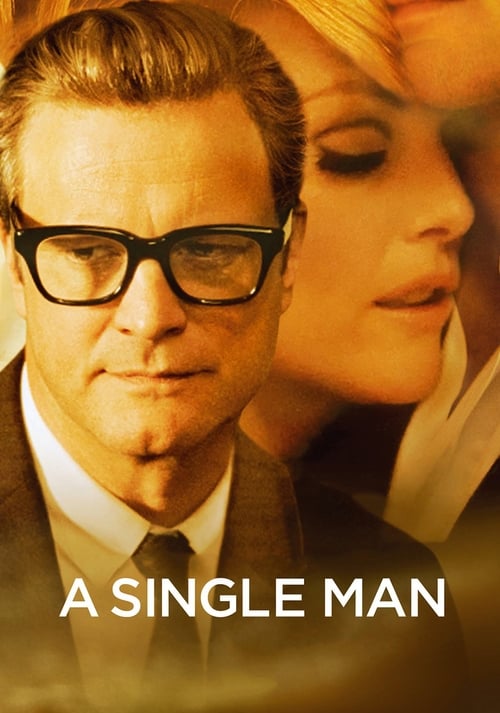
A Single Man
Set in Los Angeles in 1962, at the height of the Cuban missile crisis, is the story of a British college professor who dwells on the past and cannot see his future. We follow him through a single day, where a series of events and encounters ultimately lead him to decide if there is a meaning to life after the death of his long time partner, Jim.
Despite its small-scale budget of $7.0M, A Single Man became a commercial success, earning $25.0M worldwide—a 257% return. The film's fresh perspective engaged audiences, showing that strong storytelling can transcend budget limitations.
Nominated for 1 Oscar. 39 wins & 59 nominations


Plot Structure
Story beats plotted across runtime


Narrative Arc
Emotional journey through the story's key moments
Story Circle
Blueprint 15-beat structure
Arcplot Score Breakdown
Weighted: Precision (70%) + Arc (15%) + Theme (15%)
A Single Man (2009) exemplifies precise narrative design, characteristic of Tom Ford's storytelling approach. This structural analysis examines how the film's 15-point plot structure maps to proven narrative frameworks across 1 hour and 40 minutes. With an Arcplot score of 6.7, the film balances conventional beats with creative variation.
Characters
Cast & narrative archetypes

George Falconer
Charley
Kenny Potter
Jim
Main Cast & Characters
George Falconer
Played by Colin Firth
A British college professor grieving the death of his longtime partner Jim, contemplating suicide on what he intends to be his last day.
Charley
Played by Julianne Moore
George's longtime friend and former lover, a vivacious woman struggling with her own loneliness and alcoholism.
Kenny Potter
Played by Nicholas Hoult
A charismatic young student who shows persistent interest in George and seeks deeper connection with him.
Jim
Played by Matthew Goode
George's deceased partner, seen in flashbacks and memories as a loving, grounding presence in George's life.
Structural Analysis
The Status Quo at 1 minutes (1% through the runtime) establishes George dreams of Jim's body lying in the snow after the car accident. He approaches, kisses him, and lies down beside him—establishing his profound grief and inability to let go of his deceased partner.. Significantly, this early placement immediately immerses viewers in the story world.
The inciting incident occurs at 13 minutes when George retrieves a gun from a safety deposit box and methodically prepares his suicide: laying out his suits, writing notes, organizing his affairs. The disruption is his definitive decision that today will be his last day alive.. At 13% through the film, this Disruption is delayed, allowing extended setup of the story world. This beat shifts the emotional landscape, launching the protagonist into the central conflict.
The First Threshold at 25 minutes marks the transition into Act II, occurring at 25% of the runtime. This illustrates the protagonist's commitment to George commits fully to his plan by packing the gun in his briefcase and leaving for work, treating this as his final day. His threshold choice is to move through the day as a farewell tour before ending his life that evening., moving from reaction to action.
At 51 minutes, the Midpoint arrives at 51% of the runtime—precisely centered, creating perfect narrative symmetry. Structural examination shows that this crucial beat George arrives at Charley's house for dinner. His oldest friend, who once loved him, represents his last meaningful connection. Their evening together—drinking, dancing, reminiscing—becomes a false victory as he momentarily feels alive again, though the gun still waits in his briefcase., fundamentally raising what's at risk. The emotional intensity shifts, dividing the narrative into clear before-and-after phases.
The Collapse moment at 75 minutes (75% through) represents the emotional nadir. Here, George stops at a bar and encounters Kenny, who has been following him. George's defenses crumble as he gets drunk. He skinny-dips in the ocean with Kenny—a symbolic baptism—but nearly drowns, requiring Kenny to save him. This brush with death is involuntary, unlike his planned suicide., demonstrates the protagonist at their lowest point. This beat's placement in the final quarter sets up the climactic reversal.
The Second Threshold at 81 minutes initiates the final act resolution at 81% of the runtime. George puts the gun away. Looking at the sleeping Kenny and reflecting on the day's unexpected moments of beauty and connection, he chooses life. For the first time in eight months, he wants to see what tomorrow brings., demonstrating the transformation achieved throughout the journey.
Emotional Journey
A Single Man's emotional architecture traces a deliberate progression across 15 carefully calibrated beats.
Narrative Framework
This structural analysis employs structural analysis methodology used to understand storytelling architecture. By mapping A Single Man against these established plot points, we can identify how Tom Ford utilizes or subverts traditional narrative conventions. The plot point approach reveals not only adherence to structural principles but also creative choices that distinguish A Single Man within the drama genre.
Tom Ford's Structural Approach
Among the 2 Tom Ford films analyzed on Arcplot, the average structural score is 7.0, demonstrating varied approaches to story architecture. A Single Man takes a more unconventional approach compared to the director's typical style. For comparative analysis, explore the complete Tom Ford filmography.
Comparative Analysis
Additional drama films include After Thomas, South Pacific and Dirty Dancing: Havana Nights. For more Tom Ford analyses, see Nocturnal Animals.
Plot Points by Act
Act I
SetupStatus Quo
George dreams of Jim's body lying in the snow after the car accident. He approaches, kisses him, and lies down beside him—establishing his profound grief and inability to let go of his deceased partner.
Theme
In voiceover, George reflects that waking up requires effort: "It takes time to become George again." The theme of consciousness, presence, and choosing to engage with life is established through his struggle to inhabit his own existence.
Worldbuilding
George's meticulous morning routine in his modernist Los Angeles home reveals his isolated, controlled existence. We see his careful grooming, his empty bed, and flashbacks to his sixteen-year relationship with Jim. The world of 1962 suburban California and the shadow of the Cuban Missile Crisis are established.
Disruption
George retrieves a gun from a safety deposit box and methodically prepares his suicide: laying out his suits, writing notes, organizing his affairs. The disruption is his definitive decision that today will be his last day alive.
Resistance
George drives to the university, observing the world with new intensity. He lectures on Aldous Huxley and the nature of fear and minorities. His neighbor Jennifer notices something amiss. He practices suicide positions with the gun, revealing his debate between following through or finding reason to continue.
Act II
ConfrontationFirst Threshold
George commits fully to his plan by packing the gun in his briefcase and leaving for work, treating this as his final day. His threshold choice is to move through the day as a farewell tour before ending his life that evening.
Mirror World
Kenny Potter, a perceptive student, approaches George after class. Kenny sees through George's composed exterior and engages him meaningfully. This young man represents vitality, connection, and the possibility of being truly seen—everything George has lost.
Premise
George moves through his "last day" with heightened awareness. Colors become saturated when he connects with others. He shares a charged moment with a Spanish prostitute's child, encounters Kenny again at the bookstore, and experiences unexpected moments of beauty that pierce his numbness.
Midpoint
George arrives at Charley's house for dinner. His oldest friend, who once loved him, represents his last meaningful connection. Their evening together—drinking, dancing, reminiscing—becomes a false victory as he momentarily feels alive again, though the gun still waits in his briefcase.
Opposition
Charley confesses she always hoped George would choose her over Jim. Their friendship strains under her desperate loneliness and inability to understand his grief. George leaves feeling more isolated than before. The evening's warmth curdles into reminder that no one truly knew Jim as his partner.
Collapse
George stops at a bar and encounters Kenny, who has been following him. George's defenses crumble as he gets drunk. He skinny-dips in the ocean with Kenny—a symbolic baptism—but nearly drowns, requiring Kenny to save him. This brush with death is involuntary, unlike his planned suicide.
Crisis
Shaken and vulnerable after nearly drowning, George returns home with Kenny. The young man's genuine care and presence penetrates George's isolation. Kenny falls asleep on the couch, and George watches him—seeing not a replacement for Jim, but proof that connection remains possible.
Act III
ResolutionSecond Threshold
George puts the gun away. Looking at the sleeping Kenny and reflecting on the day's unexpected moments of beauty and connection, he chooses life. For the first time in eight months, he wants to see what tomorrow brings.
Synthesis
George experiences a moment of peace and clarity. He looks at a photograph of Jim with acceptance rather than desperate longing. The world around him glows with color and presence. He has synthesized his grief with his capacity for continued existence.
Transformation
George suffers a fatal heart attack just as he has chosen to live. In his final moments, Jim appears to him, and they share a kiss. The cruel irony completes his arc—he found his reason to live only to have life taken from him, yet he dies at peace, reunited with Jim in death.