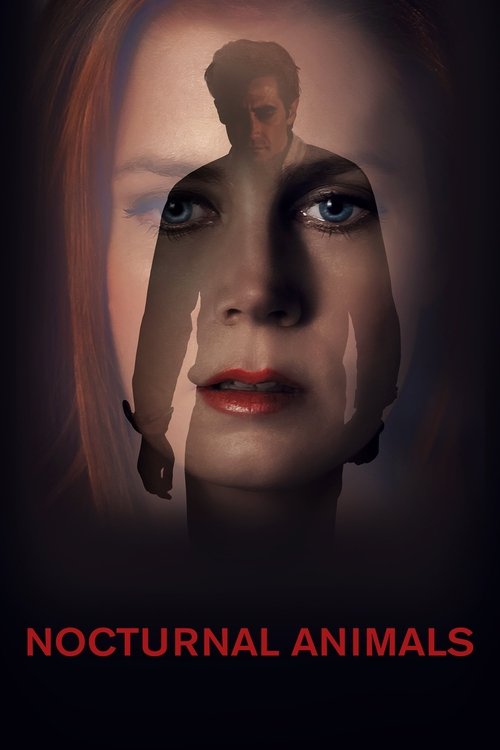
Nocturnal Animals
Susan Morrow receives a book manuscript from her ex-husband – a man she left 20 years earlier – asking for her opinion of his writing. As she reads, she is drawn into the fictional life of Tony Hastings, a mathematics professor whose family vacation turns violent.
Working with a respectable budget of $22.5M, the film achieved a modest success with $29.3M in global revenue (+30% profit margin).
Nominated for 1 Oscar. 21 wins & 154 nominations


Plot Structure
Story beats plotted across runtime


Narrative Arc
Emotional journey through the story's key moments
Story Circle
Blueprint 15-beat structure
Arcplot Score Breakdown
Weighted: Precision (70%) + Arc (15%) + Theme (15%)
Nocturnal Animals (2016) exhibits strategically placed plot construction, characteristic of Tom Ford's storytelling approach. This structural analysis examines how the film's 15-point plot structure maps to proven narrative frameworks across 1 hour and 56 minutes. With an Arcplot score of 7.2, the film balances conventional beats with creative variation.
Characters
Cast & narrative archetypes

Susan Morrow
Edward Sheffield / Tony Hastings
Ray Marcus
Bobby Andes
Hutton Morrow
Laura Hastings
India Hastings
Anne Sutton
Main Cast & Characters
Susan Morrow
Played by Amy Adams
A wealthy Los Angeles art gallery owner trapped in an empty marriage, haunted by regret over abandoning her first husband Edward for a superficial life.
Edward Sheffield / Tony Hastings
Played by Jake Gyllenhaal
Susan's ex-husband and author of the novel she reads; Tony is the fictional protagonist of his book, a weak man who fails to protect his family.
Ray Marcus
Played by Aaron Taylor-Johnson
The terrifying, sociopathic leader of a group of criminals who terrorizes Tony's family on a dark Texas highway.
Bobby Andes
Played by Michael Shannon
A dying Texas detective who helps Tony track down his family's killers, operating outside the law to deliver vigilante justice.
Hutton Morrow
Played by Armie Hammer
Susan's wealthy, unfaithful husband who represents the shallow, materialistic life she chose over Edward.
Laura Hastings
Played by Isla Fisher
Tony's wife in the novel, who along with their daughter is abducted and murdered by Ray's gang.
India Hastings
Played by Ellie Bamber
Tony and Laura's teenage daughter who is taken along with her mother during the highway confrontation.
Anne Sutton
Played by Laura Linney
Susan's cynical, pragmatic mother who discouraged her relationship with Edward, warning that romantics are weak.
Structural Analysis
The Status Quo at 1 minutes (1% through the runtime) establishes Susan attends her art gallery opening featuring provocative obese dancers, looking hollow and disconnected despite the glamorous setting. Her empty marriage to Hutton and soulless life in LA's art world are established through her vacant expression.. Notably, this early placement immediately immerses viewers in the story world.
The inciting incident occurs at 13 minutes when Susan receives a manuscript titled "Nocturnal Animals" from her ex-husband Edward, whom she hasn't contacted in 19 years. The dedication "For Susan" immediately unsettles her, triggering memories and guilt about their past.. At 11% through the film, this Disruption aligns precisely with traditional story structure. This beat shifts the emotional landscape, launching the protagonist into the central conflict.
The First Threshold at 28 minutes marks the transition into Act II, occurring at 25% of the runtime. This indicates the protagonist's commitment to Susan commits to reading the entire manuscript despite its disturbing content and the painful memories it evokes. The manuscript's story escalates as Tony's family is kidnapped on a dark Texas highway - mirroring Susan's choice to fully confront her past with Edward., moving from reaction to action.
At 58 minutes, the Midpoint arrives at 50% of the runtime—precisely centered, creating perfect narrative symmetry. Structural examination shows that this crucial beat In the manuscript, Tony identifies his family's killer, Ray Marcus. In parallel, Susan remembers the moment she told Edward she was leaving him for Hutton - the ultimate betrayal. The midpoint links the manuscript's violence to Susan's past cruelty, raising stakes as she realizes Edward's story is directed at her., fundamentally raising what's at risk. The emotional intensity shifts, dividing the narrative into clear before-and-after phases.
The Collapse moment at 88 minutes (75% through) represents the emotional nadir. Here, In the manuscript's climax, Tony kills Ray but accidentally shoots himself in the struggle. He sits alone, wounded and broken, having lost everything in his quest for vengeance. This "whiff of death" represents the cost of revenge and mirrors Susan's realization that she destroyed the one authentic relationship in her life., illustrates the protagonist at their lowest point. This beat's placement in the final quarter sets up the climactic reversal.
The Second Threshold at 94 minutes initiates the final act resolution at 81% of the runtime. Susan receives Edward's email reply agreeing to meet for dinner. She interprets this as a chance for redemption, reconciliation, or closure. She prepares carefully for the meeting, hoping to bridge the 19-year gap and perhaps find forgiveness or reclaim something real in her hollow life., demonstrating the transformation achieved throughout the journey.
Emotional Journey
Nocturnal Animals's emotional architecture traces a deliberate progression across 15 carefully calibrated beats.
Narrative Framework
This structural analysis employs a 15-point narrative structure framework that maps key story moments. By mapping Nocturnal Animals against these established plot points, we can identify how Tom Ford utilizes or subverts traditional narrative conventions. The plot point approach reveals not only adherence to structural principles but also creative choices that distinguish Nocturnal Animals within the drama genre.
Tom Ford's Structural Approach
Among the 2 Tom Ford films analyzed on Arcplot, the average structural score is 7.0, demonstrating varied approaches to story architecture. Nocturnal Animals represents one of the director's most structurally precise works. For comparative analysis, explore the complete Tom Ford filmography.
Comparative Analysis
Additional drama films include After Thomas, South Pacific and Dirty Dancing: Havana Nights. For more Tom Ford analyses, see A Single Man.
Plot Points by Act
Act I
SetupStatus Quo
Susan attends her art gallery opening featuring provocative obese dancers, looking hollow and disconnected despite the glamorous setting. Her empty marriage to Hutton and soulless life in LA's art world are established through her vacant expression.
Theme
Susan's colleague discusses art and authenticity, touching on themes of real emotion versus manufactured experience. The conversation foreshadows the contrast between Susan's sterile life and the raw emotion she'll encounter in Edward's manuscript.
Worldbuilding
Susan's luxurious but emotionally barren life is established: her modernist mansion, her distant husband Hutton who's away on business, her insomnia and anxiety. The arrival of Edward's manuscript package disrupts her carefully controlled world.
Disruption
Susan receives a manuscript titled "Nocturnal Animals" from her ex-husband Edward, whom she hasn't contacted in 19 years. The dedication "For Susan" immediately unsettles her, triggering memories and guilt about their past.
Resistance
Susan begins reading the manuscript, which tells the violent story of Tony Hastings and his family. As she reads, flashbacks reveal her past relationship with Edward - their romance, her mother's disapproval, and her eventual betrayal. She debates whether to continue reading and confronting these memories.
Act II
ConfrontationFirst Threshold
Susan commits to reading the entire manuscript despite its disturbing content and the painful memories it evokes. The manuscript's story escalates as Tony's family is kidnapped on a dark Texas highway - mirroring Susan's choice to fully confront her past with Edward.
Mirror World
Flashback reveals young Edward as a sensitive writer, struggling with his work and seeking Susan's validation. This mirrors Susan's current emotional void and establishes Edward as the relationship that represented authentic feeling - the theme carrier contrasting her current hollow existence.
Premise
Susan oscillates between the manuscript's revenge thriller (Tony discovering his wife and daughter murdered, meeting detective Bobby Andes) and memories of her relationship with Edward - their marriage, her pregnancy, her affair with Hutton, and her abortion of Edward's child. The parallel narratives explore themes of powerlessness and retribution.
Midpoint
In the manuscript, Tony identifies his family's killer, Ray Marcus. In parallel, Susan remembers the moment she told Edward she was leaving him for Hutton - the ultimate betrayal. The midpoint links the manuscript's violence to Susan's past cruelty, raising stakes as she realizes Edward's story is directed at her.
Opposition
Susan becomes increasingly consumed by the manuscript and guilt-ridden by memories. In the story, Tony pursues revenge with dying detective Andes. Susan learns Hutton is having an affair, her marriage crumbling. The manuscript's violence intensifies as her emotional defenses collapse. She tries calling Edward but can't reach him.
Collapse
In the manuscript's climax, Tony kills Ray but accidentally shoots himself in the struggle. He sits alone, wounded and broken, having lost everything in his quest for vengeance. This "whiff of death" represents the cost of revenge and mirrors Susan's realization that she destroyed the one authentic relationship in her life.
Crisis
Susan finishes the manuscript, emotionally devastated. She sits alone in her empty modern home, fully grasping what she did to Edward and recognizing the story as his artistic revenge. She confronts the darkness of her choices - aborting his child, crushing his sensitivity, choosing material wealth over authentic love.
Act III
ResolutionSecond Threshold
Susan receives Edward's email reply agreeing to meet for dinner. She interprets this as a chance for redemption, reconciliation, or closure. She prepares carefully for the meeting, hoping to bridge the 19-year gap and perhaps find forgiveness or reclaim something real in her hollow life.
Synthesis
Susan goes to the restaurant, dresses immaculately, and waits for Edward. She orders drinks and sits alone as minutes pass, then hours. The camera holds on her face as she gradually realizes the truth: he's not coming. The manuscript was his closure, his revenge complete.
Transformation
Susan sits alone at the empty restaurant table, tears streaming down her face, completely undone. Edward has given her exactly what she gave him: abandonment. The final image shows her devastated and alone - transformed from numb to feeling, but the feeling is irredeemable loss and the recognition of her irreversible cruelty.