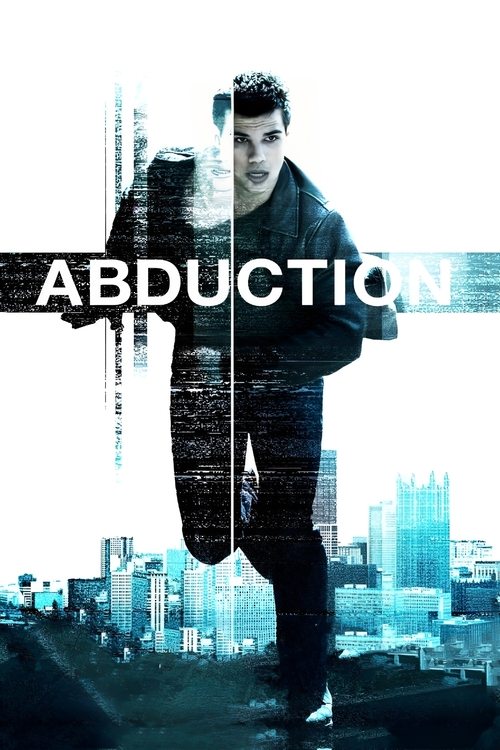
Abduction
For many years, Nathan Harper has had the uneasy feeling that life with his family isn't quite what it seems. As he draws closer to uncovering the truth, he is hunted by assassins, forcing him to flee with his neighbor, Karen, the only person he can trust.
Despite a moderate budget of $35.0M, Abduction became a box office success, earning $82.1M worldwide—a 135% return.
2 wins & 3 nominations


Plot Structure
Story beats plotted across runtime


Narrative Arc
Emotional journey through the story's key moments
Story Circle
Blueprint 15-beat structure
Arcplot Score Breakdown
Weighted: Precision (70%) + Arc (15%) + Theme (15%)
Abduction (2011) demonstrates strategically placed narrative design, characteristic of John Singleton's storytelling approach. This structural analysis examines how the film's 15-point plot structure maps to proven narrative frameworks across 1 hour and 46 minutes. With an Arcplot score of 6.6, the film balances conventional beats with creative variation.
Characters
Cast & narrative archetypes

Nathan Harper
Karen Murphy
Martin Harper
Mara Harper
Frank Burton
Nikola Kozlow
Dr. Geraldine Bennett
Martin Price
Main Cast & Characters
Nathan Harper
Played by Taylor Lautner
A high school senior who discovers his entire life is a lie when he finds his childhood photo on a missing persons website, triggering a dangerous conspiracy involving his true identity as the son of a CIA agent.
Karen Murphy
Played by Lily Collins
Nathan's neighbor and classmate who becomes his ally and love interest as they flee from both CIA operatives and foreign assassins together.
Martin Harper
Played by Jason Isaacs
Nathan's adoptive father who trained him in combat skills to prepare him for potential danger, secretly a CIA operative assigned to protect him.
Mara Harper
Played by Maria Bello
Nathan's adoptive mother and CIA operative who raised him with love while maintaining his cover identity.
Frank Burton
Played by Alfred Molina
CIA handler who has been monitoring Nathan since childhood, walking a morally ambiguous line between protecting him and using him as bait to catch a Serbian terrorist.
Nikola Kozlow
Played by Michael Nyqvist
A ruthless Serbian terrorist and the film's main antagonist who killed Nathan's biological mother and seeks a list of encrypted intelligence that Nathan's father stole.
Dr. Geraldine Bennett
Played by Sigourney Weaver
Nathan's psychiatrist who is secretly a CIA asset monitoring his psychological state and serves as a conduit to his biological father.
Martin Price
Played by Dermot Mulroney
Nathan's biological father, a rogue CIA agent who stole classified intelligence and has been protecting Nathan from afar.
Structural Analysis
The Status Quo at 1 minutes (1% through the runtime) establishes Nathan Harper wakes from a violent nightmare in his comfortable suburban home, establishing his dual nature: a troubled teenager living an ordinary high school life with loving parents and an attraction to neighbor Karen.. Of particular interest, this early placement immediately immerses viewers in the story world.
The inciting incident occurs at 12 minutes when While working on a school project about missing children with Karen, Nathan finds his own childhood photo on a missing persons website, shattering his understanding of his entire identity and family.. At 12% through the film, this Disruption aligns precisely with traditional story structure. This beat shifts the emotional landscape, launching the protagonist into the central conflict.
The First Threshold at 26 minutes marks the transition into Act II, occurring at 25% of the runtime. This shows the protagonist's commitment to Nathan makes the active choice to go on the run with Karen rather than go to the police, committing to uncovering the truth about his identity despite the mortal danger. They flee Pittsburgh together, entering the world of international espionage., moving from reaction to action.
At 52 minutes, the Midpoint arrives at 49% of the runtime—precisely centered, creating perfect narrative symmetry. Of particular interest, this crucial beat Nathan makes contact with Martin Price, a man claiming to be his real father, at a baseball game. This apparent victory—finally finding answers—is actually a false defeat as it puts Nathan directly in Kozlow's crosshairs and raises the stakes dramatically., fundamentally raising what's at risk. The emotional intensity shifts, dividing the narrative into clear before-and-after phases.
The Collapse moment at 78 minutes (74% through) represents the emotional nadir. Here, Martin Price is killed by Kozlow, and Karen is held hostage. Nathan loses his last connection to his true past (whiff of death) and faces the reality that he must trade the encrypted list for Karen's life, seemingly losing everything., illustrates the protagonist at their lowest point. This beat's placement in the final quarter sets up the climactic reversal.
The Second Threshold at 84 minutes initiates the final act resolution at 79% of the runtime. Nathan realizes the list is hidden in the oven timer from his childhood—the key to his suppressed memories. He synthesizes his training, his anger, and his love for Karen, choosing to confront Kozlow directly rather than run. He becomes the fighter he was meant to be., demonstrating the transformation achieved throughout the journey.
Emotional Journey
Abduction's emotional architecture traces a deliberate progression across 15 carefully calibrated beats.
Narrative Framework
This structural analysis employs systematic plot point analysis that identifies crucial turning points. By mapping Abduction against these established plot points, we can identify how John Singleton utilizes or subverts traditional narrative conventions. The plot point approach reveals not only adherence to structural principles but also creative choices that distinguish Abduction within the thriller genre.
John Singleton's Structural Approach
Among the 9 John Singleton films analyzed on Arcplot, the average structural score is 7.0, reflecting strong command of classical structure. Abduction takes a more unconventional approach compared to the director's typical style. For comparative analysis, explore the complete John Singleton filmography.
Comparative Analysis
Additional thriller films include The Warriors, Thunderball and Rustom. For more John Singleton analyses, see Higher Learning, Poetic Justice and 2 Fast 2 Furious.
Plot Points by Act
Act I
SetupStatus Quo
Nathan Harper wakes from a violent nightmare in his comfortable suburban home, establishing his dual nature: a troubled teenager living an ordinary high school life with loving parents and an attraction to neighbor Karen.
Theme
Nathan's therapist Dr. Bennett tells him, "You need to find out who you really are," planting the thematic question about identity and self-discovery that will drive the entire narrative.
Worldbuilding
Nathan's ordinary world is established: high school, wrestling team, house parties, his crush on Karen, and his relationship with his parents Kevin and Mara. His recurring nightmares and anger issues hint at something deeper beneath the surface.
Disruption
While working on a school project about missing children with Karen, Nathan finds his own childhood photo on a missing persons website, shattering his understanding of his entire identity and family.
Resistance
Nathan confronts his "parents" who reveal they aren't his biological family. Before they can explain, assassins attack the house. Kevin and Mara are killed protecting Nathan, who barely escapes with Karen. He learns he must run and trust no one.
Act II
ConfrontationFirst Threshold
Nathan makes the active choice to go on the run with Karen rather than go to the police, committing to uncovering the truth about his identity despite the mortal danger. They flee Pittsburgh together, entering the world of international espionage.
Mirror World
Nathan's relationship with Karen deepens as she chooses to stay with him despite the danger. She represents normalcy, truth, and emotional connection—the life Nathan wants versus the mystery he's been thrust into.
Premise
Nathan and Karen evade both CIA agent Burton and Serbian terrorist Kozlow, both seeking something Nathan possesses. He discovers his real father was a CIA operative, and he has information hidden in his memories that both sides desperately want.
Midpoint
Nathan makes contact with Martin Price, a man claiming to be his real father, at a baseball game. This apparent victory—finally finding answers—is actually a false defeat as it puts Nathan directly in Kozlow's crosshairs and raises the stakes dramatically.
Opposition
The hunt intensifies. Kozlow closes in, capturing Karen. Nathan realizes he can't trust Burton or the CIA. His memories of his real mother begin surfacing, but every answer brings more danger. The list everyone wants is in his possession, but he doesn't know where.
Collapse
Martin Price is killed by Kozlow, and Karen is held hostage. Nathan loses his last connection to his true past (whiff of death) and faces the reality that he must trade the encrypted list for Karen's life, seemingly losing everything.
Crisis
Nathan grapples with his darkest moment: his parents dead, his real father dead, Karen kidnapped, and killers hunting him. He must decide who he really is—the protected suburban kid or someone capable of fighting back with the skills his training gave him.
Act III
ResolutionSecond Threshold
Nathan realizes the list is hidden in the oven timer from his childhood—the key to his suppressed memories. He synthesizes his training, his anger, and his love for Karen, choosing to confront Kozlow directly rather than run. He becomes the fighter he was meant to be.
Synthesis
Nathan executes his plan, infiltrating Kozlow's location. He uses his combat training and wrestling skills in the final confrontation, defeats Kozlow, rescues Karen, and delivers the list to the CIA, resolving both the external threat and his internal identity crisis.
Transformation
Nathan and Karen are together in London, starting fresh with new identities. Unlike the opening where Nathan was lost and angry, he now knows who he is—not defined by his past or his parents, but by his choices. He's found his true identity through action.