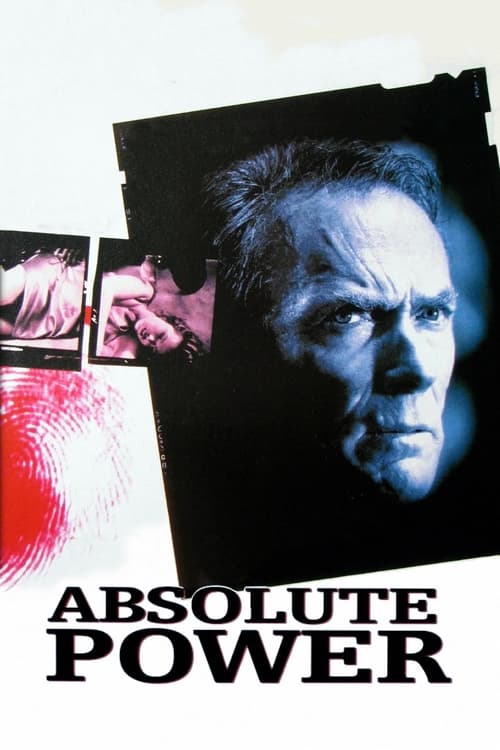
Absolute Power
A master thief coincidentally is robbing a house where a murder—in which the President of the United States is involved—occurs in front of his eyes. He is forced to run, while holding evidence that could convict the President.
Working with a respectable budget of $50.0M, the film achieved a modest success with $50.1M in global revenue (+0% profit margin).


Plot Structure
Story beats plotted across runtime


Narrative Arc
Emotional journey through the story's key moments
Story Circle
Blueprint 15-beat structure
Arcplot Score Breakdown
Weighted: Precision (70%) + Arc (15%) + Theme (15%)
Absolute Power (1997) exemplifies deliberately positioned narrative architecture, characteristic of Clint Eastwood's storytelling approach. This structural analysis examines how the film's 15-point plot structure maps to proven narrative frameworks across 2 hours and 1 minutes. With an Arcplot score of 6.5, the film balances conventional beats with creative variation.
Characters
Cast & narrative archetypes

Luther Whitney
President Alan Richmond
Kate Whitney
Seth Frank
Gloria Russell
Bill Burton
Tim Collin
Main Cast & Characters
Luther Whitney
Played by Clint Eastwood
A master thief who witnesses a murder involving the President and becomes hunted for what he knows.
President Alan Richmond
Played by Gene Hackman
The corrupt President of the United States who commits murder and uses his power to cover it up.
Kate Whitney
Played by Laura Linney
Luther's estranged daughter, a prosecutor who must reconcile with her father while uncovering the truth.
Seth Frank
Played by Ed Harris
A persistent detective investigating the murder who gradually pieces together the conspiracy.
Gloria Russell
Played by Judy Davis
The ruthless White House Chief of Staff who orchestrates the cover-up and eliminates witnesses.
Bill Burton
Played by Scott Glenn
A Secret Service agent torn between duty and conscience as he participates in the cover-up.
Tim Collin
Played by Dennis Haysbert
A younger Secret Service agent who follows orders and assists in the conspiracy.
Structural Analysis
The Status Quo at 1 minutes (1% through the runtime) establishes Luther Whitney, an aging master thief, meticulously prepares for a heist at the Sullivan mansion, demonstrating his expertise and solitary lifestyle as a career criminal estranged from his daughter.. Structural examination shows that this early placement immediately immerses viewers in the story world.
The inciting incident occurs at 15 minutes when Hidden in the vault behind a two-way mirror, Luther witnesses President Richmond's violent sexual encounter with Christy Sullivan that escalates into her murder by Secret Service agents Burton and Collin. Luther's simple heist becomes entanglement in a presidential cover-up.. At 12% through the film, this Disruption aligns precisely with traditional story structure. This beat shifts the emotional landscape, launching the protagonist into the central conflict.
The First Threshold at 30 minutes marks the transition into Act II, occurring at 25% of the runtime. This reveals the protagonist's commitment to Luther decides not to flee. Instead of escaping to safety abroad, he chooses to stay and watch events unfold, keeping the evidence hidden. This active choice to remain puts him in direct conflict with the most powerful man in the world., moving from reaction to action.
At 61 minutes, the Midpoint arrives at 50% of the runtime—precisely centered, creating perfect narrative symmetry. Significantly, this crucial beat The Secret Service agents attempt to assassinate Luther in a public setting, barely missing him. The stakes escalate from cover-up to active murder attempts. Luther realizes he cannot simply hide—they will never stop hunting him. False defeat: the full power of the presidency is now actively trying to kill him., fundamentally raising what's at risk. The emotional intensity shifts, dividing the narrative into clear before-and-after phases.
The Collapse moment at 91 minutes (75% through) represents the emotional nadir. Here, Kate is targeted by the assassins, nearly killed in an attack meant for Luther. His attempt to protect her by staying away has failed—his presence in her life has made her a target. Luther faces the devastating reality that his choices have endangered his daughter's life. The whiff of death touches what he loves most., shows the protagonist at their lowest point. This beat's placement in the final quarter sets up the climactic reversal.
The Second Threshold at 97 minutes initiates the final act resolution at 80% of the runtime. Luther synthesizes his thief skills with his newfound moral purpose. He devises a plan to expose the President using Walter Sullivan's grief and desire for vengeance. He stops running and goes on the offensive, using everything he knows to bring down those in power., demonstrating the transformation achieved throughout the journey.
Emotional Journey
Absolute Power's emotional architecture traces a deliberate progression across 15 carefully calibrated beats.
Narrative Framework
This structural analysis employs proven narrative structure principles that track dramatic progression. By mapping Absolute Power against these established plot points, we can identify how Clint Eastwood utilizes or subverts traditional narrative conventions. The plot point approach reveals not only adherence to structural principles but also creative choices that distinguish Absolute Power within the crime genre.
Clint Eastwood's Structural Approach
Among the 32 Clint Eastwood films analyzed on Arcplot, the average structural score is 6.5, demonstrating varied approaches to story architecture. Absolute Power takes a more unconventional approach compared to the director's typical style. For comparative analysis, explore the complete Clint Eastwood filmography.
Comparative Analysis
Additional crime films include The Bad Guys, Rustom and The Whole Ten Yards. For more Clint Eastwood analyses, see True Crime, Million Dollar Baby and The Gauntlet.
Plot Points by Act
Act I
SetupStatus Quo
Luther Whitney, an aging master thief, meticulously prepares for a heist at the Sullivan mansion, demonstrating his expertise and solitary lifestyle as a career criminal estranged from his daughter.
Theme
As Luther observes the mansion's security systems and the wealth of Walter Sullivan, the disparity between those with absolute power and those without is established—power corrupts and enables those at the top to operate above the law.
Worldbuilding
Luther executes his carefully planned burglary of the Sullivan estate, revealing his skills as a thief. We learn of his estrangement from his prosecutor daughter Kate. The world of wealth, power, and criminal expertise is established.
Disruption
Hidden in the vault behind a two-way mirror, Luther witnesses President Richmond's violent sexual encounter with Christy Sullivan that escalates into her murder by Secret Service agents Burton and Collin. Luther's simple heist becomes entanglement in a presidential cover-up.
Resistance
Luther barely escapes the mansion with the bloody letter opener as evidence. He debates what to do—flee the country or expose the truth. Detective Seth Frank begins investigating while the President's chief of staff Gloria Russell orchestrates the cover-up. Luther watches news coverage and wrestles with his conscience.
Act II
ConfrontationFirst Threshold
Luther decides not to flee. Instead of escaping to safety abroad, he chooses to stay and watch events unfold, keeping the evidence hidden. This active choice to remain puts him in direct conflict with the most powerful man in the world.
Mirror World
Kate Whitney, Luther's estranged prosecutor daughter, becomes central to the story. Her relationship with her father—broken by his criminal life—represents what Luther truly needs: reconciliation and redemption. She embodies the law he has always circumvented.
Premise
Luther uses his thief skills to evade detection while gathering intelligence. Detective Frank pursues leads that circle closer to the truth. The cat-and-mouse game intensifies as Luther makes contact with Kate, trying to reconnect while staying hidden. Walter Sullivan, grieving his wife, is manipulated by the President.
Midpoint
The Secret Service agents attempt to assassinate Luther in a public setting, barely missing him. The stakes escalate from cover-up to active murder attempts. Luther realizes he cannot simply hide—they will never stop hunting him. False defeat: the full power of the presidency is now actively trying to kill him.
Opposition
The President's team intensifies efforts to eliminate Luther. Detective Frank gets closer to the truth but faces institutional resistance. Luther's attempts to reconnect with Kate put her in danger. Walter Sullivan, learning the truth about his wife's death, becomes a wild card. The noose tightens from all sides.
Collapse
Kate is targeted by the assassins, nearly killed in an attack meant for Luther. His attempt to protect her by staying away has failed—his presence in her life has made her a target. Luther faces the devastating reality that his choices have endangered his daughter's life. The whiff of death touches what he loves most.
Crisis
Luther retreats to process his near-loss of Kate. He must choose between continued flight and self-preservation or taking direct action against the President. The weight of his criminal life—all the years of estrangement—crashes down on him. He cannot run anymore.
Act III
ResolutionSecond Threshold
Luther synthesizes his thief skills with his newfound moral purpose. He devises a plan to expose the President using Walter Sullivan's grief and desire for vengeance. He stops running and goes on the offensive, using everything he knows to bring down those in power.
Synthesis
Luther executes his plan. He provides Walter Sullivan with proof of the President's involvement in Christy's death. Sullivan confronts and kills President Richmond at a public event. The cover-up collapses. Detective Frank pieces together the truth. The corrupt are brought to justice through Luther's manipulation of events.
Transformation
Luther and Kate reconcile, sharing a meal together. The estranged father and daughter have found their way back to each other. Luther, once a man who lived outside the law and alone, has used his skills for justice and reclaimed his family. The thief has become something more—a father redeemed.