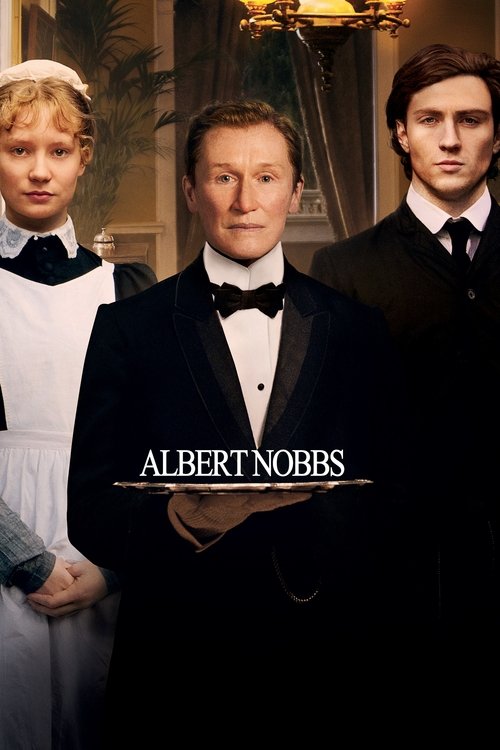
Albert Nobbs
Albert Nobbs struggles to survive in late 19th century Ireland, where women aren't encouraged to be independent. Posing as a man, so she can work as a butler in Dublin's most posh hotel, Albert meets a handsome painter and looks to escape the lie she has been living.
The film underperformed commercially against its limited budget of $8.0M, earning $5.6M globally (-30% loss). While initial box office returns were modest, the film has gained appreciation for its fresh perspective within the drama genre.





Plot Structure
Story beats plotted across runtime


Narrative Arc
Emotional journey through the story's key moments
Story Circle
Blueprint 15-beat structure
Arcplot Score Breakdown
Weighted: Precision (70%) + Arc (15%) + Theme (15%)
Albert Nobbs (2011) showcases deliberately positioned narrative design, characteristic of Rodrigo García's storytelling approach. This structural analysis examines how the film's 15-point plot structure maps to proven narrative frameworks across 1 hour and 53 minutes. With an Arcplot score of 6.6, the film balances conventional beats with creative variation.
Characters
Cast & narrative archetypes

Albert Nobbs

Hubert Page

Helen Dawes

Joe Mackins

Dr. Holloran

Mrs. Baker
Main Cast & Characters
Albert Nobbs
Played by Glenn Close
A woman passing as a male waiter in 19th-century Dublin, living in fear and longing for a shop and companion of her own.
Hubert Page
Played by Janet McTeer
A painter who reveals to Albert that he too is a woman living as a man, happily married and content with his life.
Helen Dawes
Played by Mia Wasikowska
A young, ambitious maid at the hotel who manipulates men for her own advancement and dreams of escape.
Joe Mackins
Played by Aaron Taylor-Johnson
A handsome but deceitful handyman who exploits women, particularly Helen, while pursuing his own interests.
Dr. Holloran
Played by Brendan Gleeson
A doctor and hotel guest who shows occasional kindness to Albert and represents the medical establishment of the era.
Mrs. Baker
Played by Pauline Collins
The stern proprietor of Morrison's Hotel who runs a tight establishment and employs Albert.
Structural Analysis
The Status Quo at 1 minutes (1% through the runtime) establishes Albert Nobbs, a meticulous waiter at Morrison's Hotel in 1890s Dublin, performs daily duties with rigid precision. Living a carefully controlled, isolated existence as a man, concealing the truth that she is a woman passing to survive.. Significantly, this early placement immediately immerses viewers in the story world.
The inciting incident occurs at 14 minutes when Painter Hubert Page arrives at the hotel and must share Albert's small room due to lack of space. Albert is terrified of exposure but cannot refuse. This forces Albert into an intimacy that threatens the carefully maintained secret.. At 13% through the film, this Disruption is delayed, allowing extended setup of the story world. This beat shifts the emotional landscape, launching the protagonist into the central conflict.
The First Threshold at 28 minutes marks the transition into Act II, occurring at 25% of the runtime. This demonstrates the protagonist's commitment to Hubert discovers Albert's secret—that "he" is a woman. Instead of exposing Albert, Hubert reveals that he too is a woman living as a man, but one who has achieved the dream: marriage to a woman and a full life. Albert chooses to trust Hubert and enter a new world of possibility., moving from reaction to action.
At 57 minutes, the Midpoint arrives at 50% of the runtime—precisely centered, creating perfect narrative symmetry. Significantly, this crucial beat Helen accepts Albert's proposal, but it becomes clear she doesn't love Albert—she sees only the financial security and escape from servitude. Simultaneously, Helen is conducting an affair with Joe, a boisterous workman. Albert's dream begins to crack; the stakes raise as the plan moves forward on false foundations., fundamentally raising what's at risk. The emotional intensity shifts, dividing the narrative into clear before-and-after phases.
The Collapse moment at 85 minutes (75% through) represents the emotional nadir. Here, Helen and Joe steal Albert's life savings—the money meant for the tobacco shop and their future together. Albert discovers the theft and realizes the dream is gone, all hope lost. The death of the dream; Albert is utterly broken, with nothing left., reveals the protagonist at their lowest point. This beat's placement in the final quarter sets up the climactic reversal.
The Second Threshold at 90 minutes initiates the final act resolution at 80% of the runtime. Albert learns that Hubert has died suddenly. The one person who understood her, who showed her another way was possible, is gone. This loss confirms Albert's belief that the dream was impossible all along. She accepts her fate: to remain hidden, alone, and unfulfilled until death., demonstrating the transformation achieved throughout the journey.
Emotional Journey
Albert Nobbs's emotional architecture traces a deliberate progression across 15 carefully calibrated beats.
Narrative Framework
This structural analysis employs a 15-point narrative structure framework that maps key story moments. By mapping Albert Nobbs against these established plot points, we can identify how Rodrigo García utilizes or subverts traditional narrative conventions. The plot point approach reveals not only adherence to structural principles but also creative choices that distinguish Albert Nobbs within the drama genre.
Comparative Analysis
Additional drama films include Eye for an Eye, South Pacific and Kiss of the Spider Woman.
Plot Points by Act
Act I
SetupStatus Quo
Albert Nobbs, a meticulous waiter at Morrison's Hotel in 1890s Dublin, performs daily duties with rigid precision. Living a carefully controlled, isolated existence as a man, concealing the truth that she is a woman passing to survive.
Theme
Dr. Holloran observes the hotel staff and comments on the nature of disguise and survival, suggesting that "we're all playing parts." This encapsulates the film's exploration of identity, authenticity, and the masks people wear to survive.
Worldbuilding
Establishment of Morrison's Hotel social hierarchy, Albert's compulsive saving habits and dream of owning a tobacco shop, introduction of fellow staff including young maid Helen, and the oppressive world of 1890s Dublin where women have few options for independence.
Disruption
Painter Hubert Page arrives at the hotel and must share Albert's small room due to lack of space. Albert is terrified of exposure but cannot refuse. This forces Albert into an intimacy that threatens the carefully maintained secret.
Resistance
Albert anxiously navigates sharing quarters with Hubert, attempting to maintain the disguise. Tension builds as Albert fears discovery, trying to avoid undressing or being seen. The internal debate: risk everything or find a way to endure until Hubert leaves.
Act II
ConfrontationFirst Threshold
Hubert discovers Albert's secret—that "he" is a woman. Instead of exposing Albert, Hubert reveals that he too is a woman living as a man, but one who has achieved the dream: marriage to a woman and a full life. Albert chooses to trust Hubert and enter a new world of possibility.
Mirror World
Hubert introduces Albert to his wife Cathleen, showing Albert a living example of the life she dreams of: a woman-as-man married to another woman, running a business together, living openly (if secretly) as partners. This relationship embodies the theme of authentic life versus mere survival.
Premise
Albert, inspired by Hubert's example, pursues a similar dream: courting young maid Helen to be her wife and partner in a tobacco shop. Albert explores this new possibility with hope and awkward determination, saving money and planning a future, experiencing the promise of the life she's always wanted.
Midpoint
Helen accepts Albert's proposal, but it becomes clear she doesn't love Albert—she sees only the financial security and escape from servitude. Simultaneously, Helen is conducting an affair with Joe, a boisterous workman. Albert's dream begins to crack; the stakes raise as the plan moves forward on false foundations.
Opposition
Helen and Joe manipulate Albert, taking her money while mocking her behind her back. Albert's rigid control and inability to be truly intimate prevent real connection. Joe's aggression escalates, Helen's deception deepens, and Albert's dream of partnership crumbles as reality closes in. The flaws in Albert's plan—and character—become devastating.
Collapse
Helen and Joe steal Albert's life savings—the money meant for the tobacco shop and their future together. Albert discovers the theft and realizes the dream is gone, all hope lost. The death of the dream; Albert is utterly broken, with nothing left.
Crisis
Albert withdraws into profound despair and isolation, the fragile hope that briefly animated her life now extinguished. She wanders through her duties mechanically, empty. The dark night of realizing she will never escape, never have love or partnership, never truly live.
Act III
ResolutionSecond Threshold
Albert learns that Hubert has died suddenly. The one person who understood her, who showed her another way was possible, is gone. This loss confirms Albert's belief that the dream was impossible all along. She accepts her fate: to remain hidden, alone, and unfulfilled until death.
Synthesis
Albert attempts to return to the old rigid routine, the controlled invisible existence, but something has broken inside. Unable to sustain the pretense any longer, Albert collapses on the street. The final act is not triumph but the quiet tragedy of a life unlived, a dream deferred unto death.
Transformation
Albert dies alone on the Dublin street, and only in death is her secret revealed—she is discovered to be a woman. The closing image mirrors the opening: Albert in service, invisible, controlled. But now we see the full tragedy: a life spent in disguise, a dream never realized, a person never truly known.