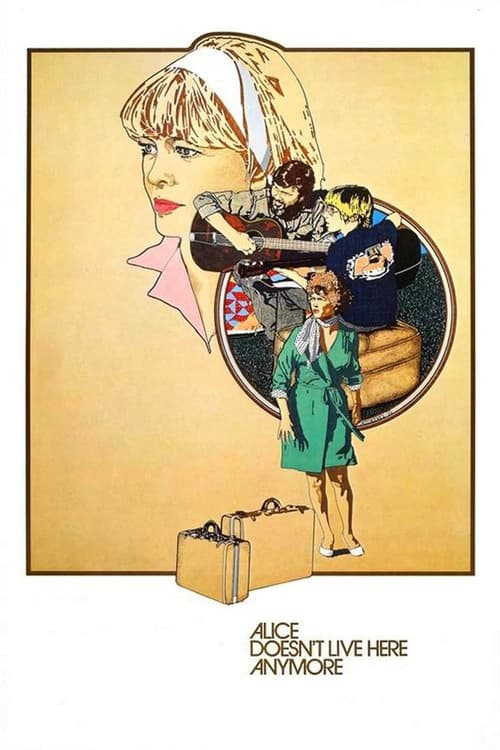
Alice Doesn't Live Here Anymore
After her husband dies, Alice and her son, Tommy, leave their small New Mexico town for California, where Alice hopes to make a new life for herself as a singer. Money problems force them to settle in Arizona instead, where Alice takes a job as waitress in a small diner.
Despite its modest budget of $1.8M, Alice Doesn't Live Here Anymore became a box office phenomenon, earning $21.0M worldwide—a remarkable 1067% return. The film's unconventional structure found its audience, confirming that strong storytelling can transcend budget limitations.
1 Oscar. 6 wins & 11 nominations


Plot Structure
Story beats plotted across runtime


Narrative Arc
Emotional journey through the story's key moments
Story Circle
Blueprint 15-beat structure
Arcplot Score Breakdown
Weighted: Precision (70%) + Arc (15%) + Theme (15%)
Alice Doesn't Live Here Anymore (1974) exemplifies meticulously timed plot construction, characteristic of Martin Scorsese's storytelling approach. This structural analysis examines how the film's 15-point plot structure maps to proven narrative frameworks across 1 hour and 52 minutes. With an Arcplot score of 6.9, the film balances conventional beats with creative variation.
Characters
Cast & narrative archetypes

Alice Hyatt
David
Tommy Hyatt
Flo
Ben Eberhardt
Vera
Main Cast & Characters
Alice Hyatt
Played by Ellen Burstyn
A widowed mother who leaves New Mexico with her son to pursue her dream of becoming a singer in Monterey.
David
Played by Kris Kristofferson
A divorced rancher who develops a relationship with Alice while she works as a waitress in Tucson.
Tommy Hyatt
Played by Alfred Lutter
Alice's precocious and supportive 11-year-old son who accompanies her on the journey.
Flo
Played by Diane Ladd
A tough-talking, wisecracking waitress at Mel's Diner who becomes Alice's close friend and confidante.
Ben Eberhardt
Played by Harvey Keitel
A charming but dangerous married man Alice becomes involved with in Phoenix, leading to a violent confrontation.
Vera
Played by Valerie Curtin
An anxious, scatterbrained waitress at Mel's Diner who provides comic relief and friendship.
Structural Analysis
The Status Quo at 1 minutes (1% through the runtime) establishes Young Alice in a theatrical Monterey set dreams of becoming a famous singer like Alice Faye, establishing her lifelong aspiration that will be tested throughout the film.. Of particular interest, this early placement immediately immerses viewers in the story world.
The inciting incident occurs at 13 minutes when Donald is killed in a truck accident. Alice's unhappy but stable life is suddenly destroyed, forcing her to confront what comes next.. At 12% through the film, this Disruption aligns precisely with traditional story structure. This beat shifts the emotional landscape, launching the protagonist into the central conflict.
The First Threshold at 28 minutes marks the transition into Act II, occurring at 25% of the runtime. This indicates the protagonist's commitment to Alice and Tommy hit the road, leaving Socorro behind. She actively chooses the uncertain journey of pursuing her dream over settling for safety., moving from reaction to action.
At 54 minutes, the Midpoint arrives at 49% of the runtime—precisely centered, creating perfect narrative symmetry. Structural examination shows that this crucial beat Ben's wife appears and attacks Alice. The "dream come true" was a lie—Ben is married. Alice's romantic and professional hope in Phoenix collapses violently., fundamentally raising what's at risk. The emotional intensity shifts, dividing the narrative into clear before-and-after phases.
The Collapse moment at 82 minutes (73% through) represents the emotional nadir. Here, Tommy runs away after Alice slaps him during a heated argument. Alice breaks down completely, realizing she's failed as both a mother and as a dreamer—the two things that define her., reveals the protagonist at their lowest point. This beat's placement in the final quarter sets up the climactic reversal.
The Second Threshold at 89 minutes initiates the final act resolution at 80% of the runtime. Tommy is found safe. Alice realizes she doesn't have to choose between love and independence—she can have a relationship with David while keeping her autonomy. She synthesizes motherhood, romance, and selfhood., demonstrating the transformation achieved throughout the journey.
Emotional Journey
Alice Doesn't Live Here Anymore's emotional architecture traces a deliberate progression across 15 carefully calibrated beats.
Narrative Framework
This structural analysis employs structural analysis methodology used to understand storytelling architecture. By mapping Alice Doesn't Live Here Anymore against these established plot points, we can identify how Martin Scorsese utilizes or subverts traditional narrative conventions. The plot point approach reveals not only adherence to structural principles but also creative choices that distinguish Alice Doesn't Live Here Anymore within the romance genre.
Martin Scorsese's Structural Approach
Among the 18 Martin Scorsese films analyzed on Arcplot, the average structural score is 6.0, showcasing experimental approaches to narrative form. Alice Doesn't Live Here Anymore represents one of the director's most structurally precise works. For comparative analysis, explore the complete Martin Scorsese filmography.
Comparative Analysis
Additional romance films include South Pacific, Dirty Dancing: Havana Nights and The Evening Star. For more Martin Scorsese analyses, see Casino, Killers of the Flower Moon and After Hours.
Plot Points by Act
Act I
SetupStatus Quo
Young Alice in a theatrical Monterey set dreams of becoming a famous singer like Alice Faye, establishing her lifelong aspiration that will be tested throughout the film.
Theme
Alice's friend Bea comments on women's compromises and dreams deferred, foreshadowing the central question: can a woman pursue her own dreams while being a mother?
Worldbuilding
Alice's mundane life in Socorro, New Mexico: her dismissive husband Donald, precocious son Tommy, waitressing job, and suppressed singing dreams. The audience sees a woman stuck in domesticity.
Disruption
Donald is killed in a truck accident. Alice's unhappy but stable life is suddenly destroyed, forcing her to confront what comes next.
Resistance
Alice sells everything and debates what to do. She decides to pursue her singing dream and head to Monterey with Tommy, despite doubts and resistance from her son about leaving.
Act II
ConfrontationFirst Threshold
Alice and Tommy hit the road, leaving Socorro behind. She actively chooses the uncertain journey of pursuing her dream over settling for safety.
Mirror World
Alice gets a singing gig in Phoenix at a bar, meeting pianist-lounge owner Ben. This represents the promise of her dream and introduces a romantic subplot that will teach her about self-worth.
Premise
Alice performs nightly, begins a romance with Ben, and experiences what life as a working singer could be. Tommy befriends neighbor Audrey. The promise of independence and artistic fulfillment.
Midpoint
Ben's wife appears and attacks Alice. The "dream come true" was a lie—Ben is married. Alice's romantic and professional hope in Phoenix collapses violently.
Opposition
Broke and desperate, Alice takes a waitressing job in Tucson at Mel's Diner. She resists rancher David's romantic interest, struggles with Tommy's rebellious behavior, and fights to maintain dignity while her dream seems impossible.
Collapse
Tommy runs away after Alice slaps him during a heated argument. Alice breaks down completely, realizing she's failed as both a mother and as a dreamer—the two things that define her.
Crisis
Alice searches desperately for Tommy with David's help. In her darkest moment, she confronts what truly matters: her son's wellbeing and her own authentic happiness, not just the old dream.
Act III
ResolutionSecond Threshold
Tommy is found safe. Alice realizes she doesn't have to choose between love and independence—she can have a relationship with David while keeping her autonomy. She synthesizes motherhood, romance, and selfhood.
Synthesis
Alice reconciles with Tommy, establishes boundaries with David (she won't be controlled), and accepts that Monterey was a symbol—she can build a life on her own terms right here. The finale resolves her identity crisis.
Transformation
Alice walks confidently with Tommy and David, neither the trapped housewife from the opening nor chasing an impossible dream—she's found herself. The transformation shows a woman who knows her worth.