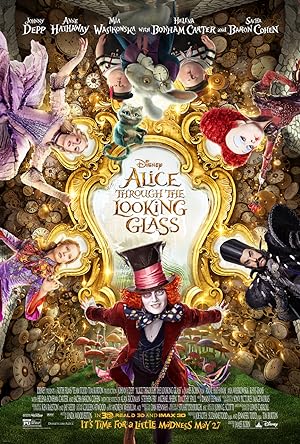
Alice Through the Looking Glass
Alice returns to the magical world of Underland, only to find the Hatter in a horrible state. With the help of her friends, Alice must travel through time to save the Mad Hatter and Underland's fate from the evil clutches of the Red Queen and a clock like creature, known as Time.
Working with a major studio investment of $170.0M, the film achieved a respectable showing with $299.5M in global revenue (+76% profit margin).
4 wins & 20 nominations


Plot Structure
Story beats plotted across runtime


Narrative Arc
Emotional journey through the story's key moments
Story Circle
Blueprint 15-beat structure
Arcplot Score Breakdown
Weighted: Precision (70%) + Arc (15%) + Theme (15%)
Alice Through the Looking Glass (2016) reveals carefully calibrated dramatic framework, characteristic of James Bobin's storytelling approach. This structural analysis examines how the film's 15-point plot structure maps to proven narrative frameworks across 1 hour and 53 minutes. With an Arcplot score of 7.3, the film balances conventional beats with creative variation.
Characters
Cast & narrative archetypes

Alice Kingsleigh
Tarrant Hightopp (Mad Hatter)
Time
Iracebeth (Red Queen)
Mirana (White Queen)
Chessur (Cheshire Cat)
Absolem
Main Cast & Characters
Alice Kingsleigh
Played by Mia Wasikowska
A strong-willed ship captain who travels through time to save the Mad Hatter's family and preserve her friendships.
Tarrant Hightopp (Mad Hatter)
Played by Johnny Depp
The Mad Hatter grieving the loss of his family, struggling with hope and despair until Alice helps him discover the truth.
Time
Played by Sacha Baron Cohen
The cosmic entity who controls time itself, initially antagonistic but ultimately reveals a more nuanced character with his own vulnerabilities.
Iracebeth (Red Queen)
Played by Helena Bonham Carter
The tyrannical Red Queen seeking revenge and desperate to change her past, driving much of the film's conflict.
Mirana (White Queen)
Played by Anne Hathaway
The seemingly benevolent White Queen harboring secrets about her past relationship with her sister.
Chessur (Cheshire Cat)
Played by Stephen Fry
The enigmatic grinning cat who provides guidance and assistance to Alice throughout her journey.
Absolem
Played by Alan Rickman
The wise caterpillar turned butterfly who offers cryptic advice and philosophical insights.
Structural Analysis
The Status Quo at 1 minutes (1% through the runtime) establishes Alice captains her father's ship, the Wonder, navigating dangerous waters with confidence and skill. She has become an independent sea captain, living the adventurous life her father dreamed of.. The analysis reveals that this early placement immediately immerses viewers in the story world.
The inciting incident occurs at 13 minutes when Absolem the butterfly appears and urgently summons Alice back to Underland. Someone she cares about needs her help desperately. This supernatural interruption pulls her away from her Victorian problems.. At 11% through the film, this Disruption aligns precisely with traditional story structure. This beat shifts the emotional landscape, launching the protagonist into the central conflict.
The First Threshold at 27 minutes marks the transition into Act II, occurring at 24% of the runtime. This indicates the protagonist's commitment to Alice makes the active choice to steal the Chronosphere from Time himself in order to travel to the past and save the Hatter's family. She commits to the impossible mission despite warnings that altering history could destroy all of time., moving from reaction to action.
At 57 minutes, the Midpoint arrives at 50% of the runtime—precisely centered, creating perfect narrative symmetry. Notably, this crucial beat Alice discovers the truth: the Hatter's family did survive the Jabberwocky attack. However, she also learns that the Red Queen's childhood trauma (her sister's lie about who ate the tarts) created the tyrant. The stakes raise as Alice realizes changing the past could prevent all the evil but might destroy time itself., fundamentally raising what's at risk. The emotional intensity shifts, dividing the narrative into clear before-and-after phases.
The Collapse moment at 84 minutes (74% through) represents the emotional nadir. Here, Time freezes completely, turning everyone to rust statues. The Hatter, her friends, all of Underland crystallizes and crumbles. Alice watches helplessly as the world dies because of her attempts to change the past. This is the whiff of death - the literal death of time itself., indicates the protagonist at their lowest point. This beat's placement in the final quarter sets up the climactic reversal.
The Second Threshold at 90 minutes initiates the final act resolution at 80% of the runtime. Alice returns the Chronosphere to Time, accepting that the past cannot be changed, only learned from. She synthesizes the lesson: healing comes from truth and reconciliation, not rewriting history. She can save the Hatter by showing him what really happened, not by changing it., demonstrating the transformation achieved throughout the journey.
Emotional Journey
Alice Through the Looking Glass's emotional architecture traces a deliberate progression across 15 carefully calibrated beats.
Narrative Framework
This structural analysis employs structural analysis methodology used to understand storytelling architecture. By mapping Alice Through the Looking Glass against these established plot points, we can identify how James Bobin utilizes or subverts traditional narrative conventions. The plot point approach reveals not only adherence to structural principles but also creative choices that distinguish Alice Through the Looking Glass within the adventure genre.
James Bobin's Structural Approach
Among the 4 James Bobin films analyzed on Arcplot, the average structural score is 7.3, reflecting strong command of classical structure. Alice Through the Looking Glass takes a more unconventional approach compared to the director's typical style. For comparative analysis, explore the complete James Bobin filmography.
Comparative Analysis
Additional adventure films include The Black Stallion, The Bad Guys and Puss in Boots. For more James Bobin analyses, see Dora and the Lost City of Gold, The Muppets and Muppets Most Wanted.
Plot Points by Act
Act I
SetupStatus Quo
Alice captains her father's ship, the Wonder, navigating dangerous waters with confidence and skill. She has become an independent sea captain, living the adventurous life her father dreamed of.
Theme
At the party, Alice's mother tells her "You cannot change the past" when discussing Alice's choices and her late father. This thematic statement about time and the impossibility of altering history becomes the central question Alice must grapple with.
Worldbuilding
Alice returns to London society where she faces pressure to conform: sell her ship, marry Hamish, and abandon her independence. Lord Ascot tries to force her into a clerkship position. The Victorian world constrains her free spirit.
Disruption
Absolem the butterfly appears and urgently summons Alice back to Underland. Someone she cares about needs her help desperately. This supernatural interruption pulls her away from her Victorian problems.
Resistance
Alice returns through the looking glass to Underland and discovers the Mad Hatter is dying of grief, convinced his family (killed by the Jabberwocky) is still alive. Her friends debate whether she can help him, but no one believes the past can be changed.
Act II
ConfrontationFirst Threshold
Alice makes the active choice to steal the Chronosphere from Time himself in order to travel to the past and save the Hatter's family. She commits to the impossible mission despite warnings that altering history could destroy all of time.
Mirror World
Alice meets Time personified, a peculiar being who is both antagonist and thematic mirror. He embodies the rules she's trying to break, but also reveals vulnerability. Their relationship will teach Alice about accepting the past rather than fighting it.
Premise
Alice travels through time, witnessing key moments in the Hatter's past: his childhood, his relationship with his father, and the day the Jabberwocky attacked. She attempts to intervene but discovers she cannot change events, only understand them. Time chases her through various eras.
Midpoint
Alice discovers the truth: the Hatter's family did survive the Jabberwocky attack. However, she also learns that the Red Queen's childhood trauma (her sister's lie about who ate the tarts) created the tyrant. The stakes raise as Alice realizes changing the past could prevent all the evil but might destroy time itself.
Opposition
Alice attempts to prevent young Iracebeth's head injury (the source of her villainy), but this creates a time paradox. The Red Queen steals the Chronosphere to save her younger self. Time itself begins to collapse, rust spreading through Underland. Alice's actions have endangered everything.
Collapse
Time freezes completely, turning everyone to rust statues. The Hatter, her friends, all of Underland crystallizes and crumbles. Alice watches helplessly as the world dies because of her attempts to change the past. This is the whiff of death - the literal death of time itself.
Crisis
In the dying moments, Alice realizes she cannot save anyone by changing the past. She must accept what happened. Her desperate attempts to fix history have only brought destruction. She faces the truth her mother told her: you cannot change the past.
Act III
ResolutionSecond Threshold
Alice returns the Chronosphere to Time, accepting that the past cannot be changed, only learned from. She synthesizes the lesson: healing comes from truth and reconciliation, not rewriting history. She can save the Hatter by showing him what really happened, not by changing it.
Synthesis
Time reverses its collapse. Alice reunites the Hatter with his family (who were alive all along). She helps the Red and White Queens reconcile by revealing the truth of their past. Everyone heals by accepting history, not erasing it. Alice returns to her world with new wisdom.
Transformation
Alice returns to London and partners with her mother to open a trading company, keeping her ship and her independence. She has learned to honor the past (her father's legacy) while creating her own future. She no longer fights against time but works with it.