
Alien
In the distant future, the crew of the commercial spaceship Nostromo are on their way home when they pick up a distress call from a distant moon. The crew are under obligation to investigate and the spaceship descends on the moon afterwards. After a rough landing, three crew members leave the spaceship to explore the area on the moon. At the same time as they discover a hive colony of some unknown creature, the ship's computer deciphers the message to be a warning, not a distress call. When one of the eggs is disturbed, the crew realizes that they are not alone on the spaceship and they must deal with the consequences.
Despite its small-scale budget of $11.0M, Alien became a runaway success, earning $104.9M worldwide—a remarkable 854% return. The film's unconventional structure engaged audiences, showing that strong storytelling can transcend budget limitations.
1 Oscar. 19 wins & 22 nominations


Plot Structure
Story beats plotted across runtime


Narrative Arc
Emotional journey through the story's key moments
Story Circle
Blueprint 15-beat structure
Arcplot Score Breakdown
Weighted: Precision (70%) + Arc (15%) + Theme (15%)
Alien (1979) exemplifies carefully calibrated story structure, characteristic of Ridley Scott's storytelling approach. This structural analysis examines how the film's 15-point plot structure maps to proven narrative frameworks across 1 hour and 57 minutes. With an Arcplot score of 4.6, the film takes an unconventional approach to traditional narrative frameworks.
Characters
Cast & narrative archetypes

Ellen Ripley

Ash

Kane
Dallas

Lambert

Parker

Brett
Main Cast & Characters
Ellen Ripley
Played by Sigourney Weaver
Warrant officer aboard the Nostromo who becomes the sole survivor after fighting the alien creature. Pragmatic and resourceful, she prioritizes crew safety over corporate interests.
Ash
Played by Ian Holm
Science officer who secretly serves the company's interests to bring the alien back at all costs. Later revealed to be an android programmed to ensure the creature's survival.
Kane
Played by John Hurt
Executive officer who is the first to encounter the facehugger and becomes the host for the chestburster. Curious and willing to investigate the derelict ship.
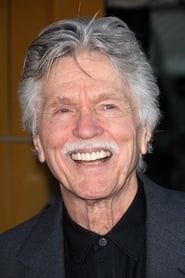
Dallas
Played by Tom Skerritt
Captain of the Nostromo who tries to maintain order and follows company protocol. Attempts to hunt the alien in the air ducts but is killed.
Lambert
Played by Veronica Cartwright
The Nostromo's navigator who becomes increasingly fearful and panicked as the alien kills crew members. Killed while preparing to evacuate.
Parker
Played by Yaphet Kotto
Chief engineer aboard the Nostromo who is vocal about pay disputes and uses improvised weapons against the alien. Loyal to his crew and protective of Lambert.
Brett
Played by Harry Dean Stanton
Engineering technician and Parker's friend who is killed by the alien while searching for the ship's cat. Pragmatic and follows Parker's lead.
Structural Analysis
The Status Quo at 1 minutes (1% through the runtime) establishes The crew of the Nostromo sleeps in hypersleep chambers, returning home after a routine commercial towing mission. The ship operates on autopilot in the quiet void of space.. Significantly, this early placement immediately immerses viewers in the story world.
The inciting incident occurs at 13 minutes when The crew discovers they're not home—they've been awakened prematurely. Mother (the ship's computer) has intercepted an unknown transmission and company protocol requires them to investigate or forfeit their shares.. At 11% through the film, this Disruption aligns precisely with traditional story structure. This beat shifts the emotional landscape, launching the protagonist into the central conflict.
The First Threshold at 26 minutes marks the transition into Act II, occurring at 22% of the runtime. This reveals the protagonist's commitment to Kane, Dallas, and Lambert leave the Nostromo and enter the hostile alien environment to find the source of the signal, physically crossing into unknown danger while Ripley, Ash, and Parker remain aboard., moving from reaction to action.
At 53 minutes, the Midpoint arrives at 45% of the runtime—arriving early, accelerating into Act IIb complications. Notably, this crucial beat The chestburster explodes from Kane's body during dinner and escapes into the ship. The false victory of Kane's apparent recovery becomes a horrific defeat—the alien was growing inside him all along, and now it's loose on the ship., fundamentally raising what's at risk. The emotional intensity shifts, dividing the narrative into clear before-and-after phases.
The Collapse moment at 78 minutes (67% through) represents the emotional nadir. Here, Dallas is killed in the ventilation shaft during the attempt to flush out the alien. The captain is dead, the alien is fully grown and unstoppable, and Ripley discovers the company's真 agenda: crew expendable. All hope seems lost., illustrates the protagonist at their lowest point. This beat's placement in the final quarter sets up the climactic reversal.
The Second Threshold at 83 minutes initiates the final act resolution at 71% of the runtime. Ripley makes the decision to abandon the Nostromo and initiate the self-destruct sequence. She chooses survival over fighting, accepting the loss of the ship and cargo to destroy the alien—prioritizing human life over corporate property., demonstrating the transformation achieved throughout the journey.
Emotional Journey
Alien's emotional architecture traces a deliberate progression across 15 carefully calibrated beats.
Narrative Framework
This structural analysis employs systematic plot point analysis that identifies crucial turning points. By mapping Alien against these established plot points, we can identify how Ridley Scott utilizes or subverts traditional narrative conventions. The plot point approach reveals not only adherence to structural principles but also creative choices that distinguish Alien within the horror genre.
Ridley Scott's Structural Approach
Among the 24 Ridley Scott films analyzed on Arcplot, the average structural score is 6.5, demonstrating varied approaches to story architecture. Alien takes a more unconventional approach compared to the director's typical style. For comparative analysis, explore the complete Ridley Scott filmography.
Comparative Analysis
Additional horror films include Thinner, A Nightmare on Elm Street and Mary Reilly. For more Ridley Scott analyses, see White Squall, American Gangster and Exodus: Gods and Kings.
Plot Points by Act
Act I
SetupStatus Quo
The crew of the Nostromo sleeps in hypersleep chambers, returning home after a routine commercial towing mission. The ship operates on autopilot in the quiet void of space.
Theme
Parker complains about pay shares and how the company treats them as "expendable," establishing the theme of corporate exploitation versus human survival and the cost of prioritizing profit over life.
Worldbuilding
The crew wakes, eats, and discusses their situation. We learn they're blue-collar space workers on a commercial towing vessel hauling ore back to Earth, with tensions about pay and command hierarchy.
Disruption
The crew discovers they're not home—they've been awakened prematurely. Mother (the ship's computer) has intercepted an unknown transmission and company protocol requires them to investigate or forfeit their shares.
Resistance
The crew debates whether to investigate. They locate the signal source on a nearby planetoid. Despite reluctance and concerns about safety, they prepare to land and investigate, bound by company orders.
Act II
ConfrontationFirst Threshold
Kane, Dallas, and Lambert leave the Nostromo and enter the hostile alien environment to find the source of the signal, physically crossing into unknown danger while Ripley, Ash, and Parker remain aboard.
Mirror World
The away team discovers the derelict alien spacecraft and the fossilized "Space Jockey"—a long-dead alien pilot. This ancient victim mirrors their own fate and reveals they're not the first to encounter this threat.
Premise
The alien horror begins: Kane is attacked by a facehugger, brought aboard despite quarantine protocol, and the creature eventually detaches and dies. The crew examines the creature and believes the threat has passed, exploring the promise of the sci-fi horror premise.
Midpoint
The chestburster explodes from Kane's body during dinner and escapes into the ship. The false victory of Kane's apparent recovery becomes a horrific defeat—the alien was growing inside him all along, and now it's loose on the ship.
Opposition
The crew hunts the rapidly-growing alien with improvised weapons and tracking devices. They discover Ash is an android with secret orders to preserve the alien. The creature picks them off one by one—Brett, Dallas, and Ash are eliminated.
Collapse
Dallas is killed in the ventilation shaft during the attempt to flush out the alien. The captain is dead, the alien is fully grown and unstoppable, and Ripley discovers the company's真 agenda: crew expendable. All hope seems lost.
Crisis
Ripley confronts the truth about the company's betrayal through Ash, who tells her she can't win against "the perfect organism." After destroying Ash, she and the remaining survivors face the dark reality that they cannot fight the alien directly.
Act III
ResolutionSecond Threshold
Ripley makes the decision to abandon the Nostromo and initiate the self-destruct sequence. She chooses survival over fighting, accepting the loss of the ship and cargo to destroy the alien—prioritizing human life over corporate property.
Synthesis
Ripley activates the self-destruct, gathers Jones the cat, and races to the shuttle as Parker and Lambert are killed. She barely escapes to the Narcissus shuttle as the Nostromo explodes, combining her newfound survival instinct with her technical competence.
Transformation
Ripley prepares for hypersleep in the shuttle, finally safe and alone except for Jones. She has transformed from a by-the-book officer into a survivor who defied corporate protocol to preserve human life—the opposite of her opening state of compliance.