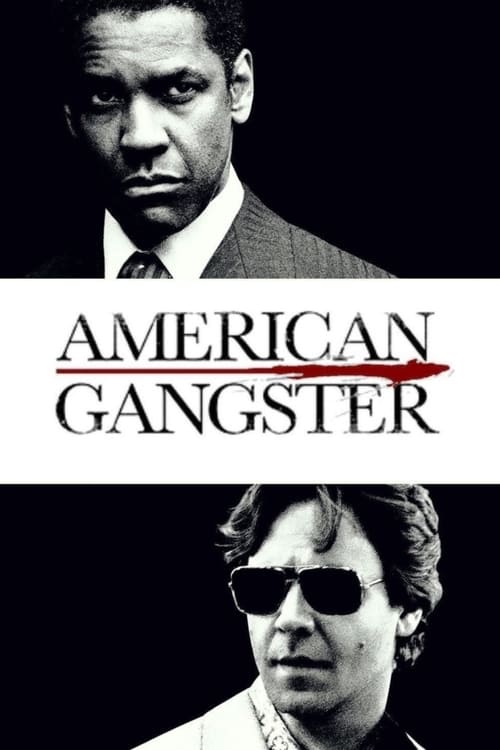
American Gangster
Loosely based on the criminal career of Frank Lucas, a gangster from La Grange, North Carolina, who smuggled heroin into the United States on American service planes returning from the Vietnam War, before being detained by a task force led by Newark Detective Richie Roberts.
Despite a considerable budget of $100.0M, American Gangster became a commercial success, earning $269.8M worldwide—a 170% return.
Nominated for 2 Oscars. 12 wins & 38 nominations


Plot Structure
Story beats plotted across runtime


Narrative Arc
Emotional journey through the story's key moments
Story Circle
Blueprint 15-beat structure
Arcplot Score Breakdown
Weighted: Precision (70%) + Arc (15%) + Theme (15%)
American Gangster (2007) exemplifies carefully calibrated story structure, characteristic of Ridley Scott's storytelling approach. This structural analysis examines how the film's 15-point plot structure maps to proven narrative frameworks across 2 hours and 37 minutes. With an Arcplot score of 6.6, the film balances conventional beats with creative variation.
Characters
Cast & narrative archetypes

Frank Lucas
Richie Roberts
Eva
Huey Lucas
Detective Trupo
Bumpy Johnson
Main Cast & Characters
Frank Lucas
Played by Denzel Washington
Harlem drug kingpin who builds an empire by importing heroin directly from Southeast Asia, bypassing the Italian mafia.
Richie Roberts
Played by Russell Crowe
Honest narcotics detective who leads the investigation into Frank Lucas while navigating a troubled personal life and corrupt police force.
Eva
Played by Lymari Nadal
Frank Lucas's Puerto Rican wife and beauty queen who enjoys the fruits of his illegal empire.
Huey Lucas
Played by Chiwetel Ejiofor
Frank's younger brother who helps run the family drug business but becomes a liability through reckless behavior.
Detective Trupo
Played by Josh Brolin
Corrupt NYPD detective who shakes down drug dealers and represents the institutional corruption Richie fights against.
Bumpy Johnson
Played by Clarence Williams III
Frank's mentor and Harlem crime boss whose death sets Frank on his path to building his own empire.
Structural Analysis
The Status Quo at 2 minutes (1% through the runtime) establishes Frank Lucas works as loyal driver and enforcer for Harlem boss Bumpy Johnson, watching and learning the drug trade. Richie Roberts is introduced as an honest cop in a corrupt system, finding a million dollars in unmarked bills.. Structural examination shows that this early placement immediately immerses viewers in the story world.
The inciting incident occurs at 18 minutes when Bumpy Johnson dies of a heart attack in a store. Frank loses his mentor and protector, leaving him without a place in the changing Harlem underworld. The old order is gone.. At 12% through the film, this Disruption aligns precisely with traditional story structure. This beat shifts the emotional landscape, launching the protagonist into the central conflict.
The First Threshold at 40 minutes marks the transition into Act II, occurring at 25% of the runtime. This demonstrates the protagonist's commitment to Frank travels to Bangkok and then the Golden Triangle, meeting with a Chinese general to establish his direct heroin supply chain, cutting out all middlemen. He actively chooses to become a kingpin on his own terms, importing "Blue Magic."., moving from reaction to action.
At 79 minutes, the Midpoint arrives at 50% of the runtime—precisely centered, creating perfect narrative symmetry. Structural examination shows that this crucial beat Frank wears a flashy chinchilla coat to the Ali-Frazier fight, getting his picture in the paper. This violation of Bumpy's rule about staying quiet puts him on law enforcement's radar. Richie sees the photo and asks, "Who is this guy?" False victory becomes a trap., fundamentally raising what's at risk. The emotional intensity shifts, dividing the narrative into clear before-and-after phases.
The Collapse moment at 119 minutes (75% through) represents the emotional nadir. Here, Frank's operation is raided; his cousin is killed in the takedown. Frank is arrested at his home in front of his family, stripped of his empire, wealth, and dignity. Everything he built is destroyed. The American Dream dies., indicates the protagonist at their lowest point. This beat's placement in the final quarter sets up the climactic reversal.
The Second Threshold at 127 minutes initiates the final act resolution at 81% of the runtime. Frank chooses to cooperate with Richie, providing evidence against the corrupt cops and system that enabled him. He synthesizes his street knowledge with Richie's legal framework to expose corruption. Strange respect forms between opposites., demonstrating the transformation achieved throughout the journey.
Emotional Journey
American Gangster's emotional architecture traces a deliberate progression across 15 carefully calibrated beats.
Narrative Framework
This structural analysis employs systematic plot point analysis that identifies crucial turning points. By mapping American Gangster against these established plot points, we can identify how Ridley Scott utilizes or subverts traditional narrative conventions. The plot point approach reveals not only adherence to structural principles but also creative choices that distinguish American Gangster within the drama genre.
Ridley Scott's Structural Approach
Among the 24 Ridley Scott films analyzed on Arcplot, the average structural score is 6.5, demonstrating varied approaches to story architecture. American Gangster represents one of the director's most structurally precise works. For comparative analysis, explore the complete Ridley Scott filmography.
Comparative Analysis
Additional drama films include After Thomas, South Pacific and Dirty Dancing: Havana Nights. For more Ridley Scott analyses, see Alien, White Squall and Exodus: Gods and Kings.
Plot Points by Act
Act I
SetupStatus Quo
Frank Lucas works as loyal driver and enforcer for Harlem boss Bumpy Johnson, watching and learning the drug trade. Richie Roberts is introduced as an honest cop in a corrupt system, finding a million dollars in unmarked bills.
Theme
Bumpy Johnson tells Frank: "The loudest one in the room is the weakest one in the room." This establishes the film's central theme about power, visibility, and the cost of ambition - true power operates quietly.
Worldbuilding
Introduction to 1968 Harlem drug world and corrupt NYPD. Frank learns the business under Bumpy. Richie's honesty makes him an outcast among cops. Both worlds are established as parallel tracks - criminal empire building and law enforcement corruption.
Disruption
Bumpy Johnson dies of a heart attack in a store. Frank loses his mentor and protector, leaving him without a place in the changing Harlem underworld. The old order is gone.
Resistance
Frank debates his path forward - work for the new bosses or forge his own way. He researches, observes the middlemen inflating prices, and conceives his plan to source heroin directly from Southeast Asia. Meanwhile, Richie's marriage crumbles due to his integrity.
Act II
ConfrontationFirst Threshold
Frank travels to Bangkok and then the Golden Triangle, meeting with a Chinese general to establish his direct heroin supply chain, cutting out all middlemen. He actively chooses to become a kingpin on his own terms, importing "Blue Magic."
Mirror World
Frank meets Eva at a church event and begins courting her, showing his desire for legitimacy and family despite his criminal enterprise. She represents the American Dream he's trying to buy - respectability, love, normalcy.
Premise
The promise of the premise: Frank's empire rises as he floods the streets with pure heroin at better prices, building wealth and power while staying invisible. Richie joins a federal task force targeting drug trafficking. The cat-and-mouse game begins though they haven't met yet.
Midpoint
Frank wears a flashy chinchilla coat to the Ali-Frazier fight, getting his picture in the paper. This violation of Bumpy's rule about staying quiet puts him on law enforcement's radar. Richie sees the photo and asks, "Who is this guy?" False victory becomes a trap.
Opposition
The walls close in on Frank as Richie's investigation focuses on him. Corrupt cops demand payoffs. Frank's brother gets arrested. The Mafia pressures him. Family conflicts arise. Simultaneously, Richie's custody battle intensifies. Both men face increasing pressure from all sides.
Collapse
Frank's operation is raided; his cousin is killed in the takedown. Frank is arrested at his home in front of his family, stripped of his empire, wealth, and dignity. Everything he built is destroyed. The American Dream dies.
Crisis
Frank faces life in prison plus 70 years. He processes the loss of everything - his freedom, his family, his identity. He sits in darkness, confronting the reality that his attempt to transcend his circumstances led to his destruction.
Act III
ResolutionSecond Threshold
Frank chooses to cooperate with Richie, providing evidence against the corrupt cops and system that enabled him. He synthesizes his street knowledge with Richie's legal framework to expose corruption. Strange respect forms between opposites.
Synthesis
Frank's testimony brings down three-quarters of the narcotics division. Richie prosecutes the corrupt cops. The finale shows the collaboration between criminal and cop dismantling the system that corrupted both sides. Justice is served, though imperfectly.
Transformation
15 years later: Frank is released early and encounters Richie on the street. Both men have been changed by their collision - Frank now humble and diminished, Richie now a defense attorney. They acknowledge each other with quiet respect, two sides of a broken system.