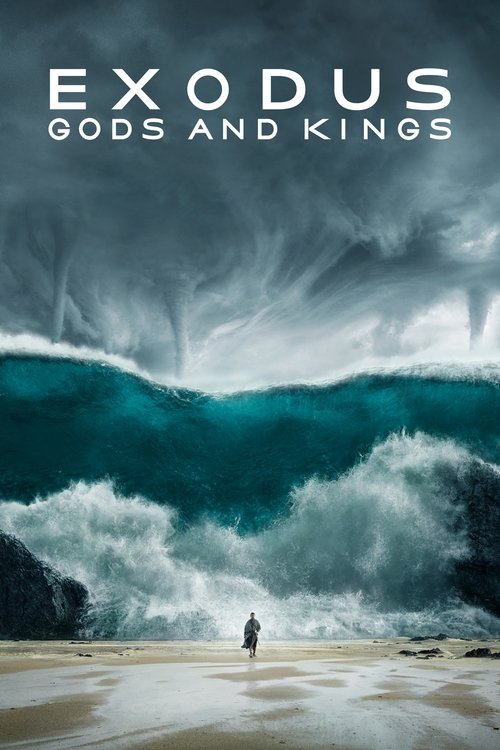
Exodus: Gods and Kings
The defiant leader Moses rises up against the Egyptian Pharaoh Ramses, setting 400,000 slaves on a monumental journey of escape from Egypt and its terrifying cycle of deadly plagues.
Working with a significant budget of $140.0M, the film achieved a modest success with $268.0M in global revenue (+91% profit margin).


Plot Structure
Story beats plotted across runtime


Narrative Arc
Emotional journey through the story's key moments
Story Circle
Blueprint 15-beat structure
Arcplot Score Breakdown
Weighted: Precision (70%) + Arc (15%) + Theme (15%)
Exodus: Gods and Kings (2014) showcases carefully calibrated narrative design, characteristic of Ridley Scott's storytelling approach. This structural analysis examines how the film's 15-point plot structure maps to proven narrative frameworks across 2 hours and 30 minutes. With an Arcplot score of 7.4, the film balances conventional beats with creative variation.
Characters
Cast & narrative archetypes

Moses
Ramses II
Zipporah
Nun
Tuya
Joshua
Malak
Main Cast & Characters
Moses
Played by Christian Bale
Hebrew-born prince of Egypt who becomes the liberator of his enslaved people after discovering his true heritage.
Ramses II
Played by Joel Edgerton
Pharaoh of Egypt and Moses' adoptive brother, whose pride and stubbornness lead to his kingdom's downfall.
Zipporah
Played by María Valverde
Moses' wife, a strong Midianite woman who supports him through his spiritual journey and mission.
Nun
Played by Ben Kingsley
Joshua's father and Hebrew elder who recognizes Moses as the prophesied deliverer of the enslaved Israelites.
Tuya
Played by Sigourney Weaver
Queen Mother of Egypt and Moses' adoptive mother who loves him but ultimately must choose loyalty to her bloodline.
Joshua
Played by Aaron Paul
Young Hebrew warrior who becomes Moses' protégé and eventual successor in leading the Israelites.
Malak
Played by Isaac Andrews
Mysterious child-like manifestation of God who appears to Moses and commands him to free the Israelites.
Structural Analysis
The Status Quo at 2 minutes (1% through the runtime) establishes Moses and Ramses lead Egyptian forces in battle against the Hittites, demonstrating their brotherhood and military prowess. Moses is the skilled general, Ramses the future Pharaoh - both secure in their roles within the Egyptian empire.. Significantly, this early placement immediately immerses viewers in the story world.
The inciting incident occurs at 19 minutes when Nun, a Hebrew elder, reveals to Moses that he is not Egyptian but Hebrew - born of slaves and hidden as a baby to escape Pharaoh's infanticide decree. Moses' entire identity is shattered in an instant.. At 12% through the film, this Disruption aligns precisely with traditional story structure. This beat shifts the emotional landscape, launching the protagonist into the central conflict.
The First Threshold at 38 minutes marks the transition into Act II, occurring at 25% of the runtime. This reveals the protagonist's commitment to Moses is exiled from Egypt and wanders into the desert, leaving behind his identity, his family, and everything he has known. He chooses to accept exile rather than deny his heritage or fight Ramses., moving from reaction to action.
At 76 minutes, the Midpoint arrives at 50% of the runtime—precisely centered, creating perfect narrative symmetry. Notably, this crucial beat Ramses refuses Moses' demands and increases the Hebrews' suffering, forcing them to make bricks without straw. Moses' first attempt to liberate his people results in their situation becoming worse. The Hebrew elders reject Moses, and his mission appears to have failed before truly beginning., fundamentally raising what's at risk. The emotional intensity shifts, dividing the narrative into clear before-and-after phases.
The Collapse moment at 113 minutes (75% through) represents the emotional nadir. Here, The tenth plague - the death of the firstborn - kills Ramses' son and every Egyptian firstborn while the Hebrews who marked their doors with lamb's blood are spared. Ramses, destroyed by grief, finally releases the Hebrew slaves. The death of innocents, especially Ramses' beloved son, represents the ultimate cost of pride and oppression., shows the protagonist at their lowest point. This beat's placement in the final quarter sets up the climactic reversal.
The Second Threshold at 120 minutes initiates the final act resolution at 80% of the runtime. Ramses mobilizes his army and chariots to pursue and slaughter the Hebrews, who are trapped at the Red Sea. Moses realizes that liberation requires complete separation from Egypt - there can be no half-freedom. He must trust God completely to deliver them through impossible circumstances., demonstrating the transformation achieved throughout the journey.
Emotional Journey
Exodus: Gods and Kings's emotional architecture traces a deliberate progression across 15 carefully calibrated beats.
Narrative Framework
This structural analysis employs systematic plot point analysis that identifies crucial turning points. By mapping Exodus: Gods and Kings against these established plot points, we can identify how Ridley Scott utilizes or subverts traditional narrative conventions. The plot point approach reveals not only adherence to structural principles but also creative choices that distinguish Exodus: Gods and Kings within the adventure genre.
Ridley Scott's Structural Approach
Among the 24 Ridley Scott films analyzed on Arcplot, the average structural score is 6.5, demonstrating varied approaches to story architecture. Exodus: Gods and Kings represents one of the director's most structurally precise works. For comparative analysis, explore the complete Ridley Scott filmography.
Comparative Analysis
Additional adventure films include The Black Stallion, The Bad Guys and Puss in Boots. For more Ridley Scott analyses, see Alien, White Squall and American Gangster.
Plot Points by Act
Act I
SetupStatus Quo
Moses and Ramses lead Egyptian forces in battle against the Hittites, demonstrating their brotherhood and military prowess. Moses is the skilled general, Ramses the future Pharaoh - both secure in their roles within the Egyptian empire.
Theme
The High Priestess tells Ramses that "a leader will be saved, and a savior will lead" after interpreting troubling omens. This plants the central question: what does it mean to be a true leader versus a liberator?
Worldbuilding
Establishes the world of 1300 BC Egypt: Ramses ascends to Pharaoh after his father's death, Moses serves as his trusted general and adopted brother, and 400,000 Hebrew slaves build monuments to Egyptian gods. The relationship between Moses and Ramses is strong, but whispers of Moses' true Hebrew birth create underlying tension.
Disruption
Nun, a Hebrew elder, reveals to Moses that he is not Egyptian but Hebrew - born of slaves and hidden as a baby to escape Pharaoh's infanticide decree. Moses' entire identity is shattered in an instant.
Resistance
Moses struggles with his identity revelation while Ramses grows increasingly paranoid about threats to his rule. Moses attempts to continue his life as an Egyptian prince, but his knowledge of his Hebrew heritage creates internal conflict. Ramses eventually exiles Moses after learning the truth, unable to execute his brother but unwilling to keep a potential threat.
Act II
ConfrontationFirst Threshold
Moses is exiled from Egypt and wanders into the desert, leaving behind his identity, his family, and everything he has known. He chooses to accept exile rather than deny his heritage or fight Ramses.
Mirror World
Moses meets Zipporah and her family of Midianite shepherds. This new relationship represents a peaceful life disconnected from power, empire, and slavery - a thematic counterpoint to Egyptian imperial might. Moses marries Zipporah and becomes a shepherd.
Premise
Moses builds a new life as a shepherd and father in Midian over nine years. During a storm on the mountain, he encounters God (appearing as a young boy) who commands him to return to Egypt and free the Hebrew slaves. Moses initially resists but eventually accepts his mission. He returns to Egypt and confronts Ramses, now hardened and tyrannical, demanding freedom for the Hebrews.
Midpoint
Ramses refuses Moses' demands and increases the Hebrews' suffering, forcing them to make bricks without straw. Moses' first attempt to liberate his people results in their situation becoming worse. The Hebrew elders reject Moses, and his mission appears to have failed before truly beginning.
Opposition
God unleashes the ten plagues upon Egypt: water turns to blood, frogs, lice, flies, pestilence, boils, hail, locusts, and darkness. Each plague escalates the conflict between Moses and Ramses. Ramses remains defiant despite the suffering of his people, and his son begins to fall ill. The Egyptian empire crumbles under divine judgment while Ramses' heart hardens further.
Collapse
The tenth plague - the death of the firstborn - kills Ramses' son and every Egyptian firstborn while the Hebrews who marked their doors with lamb's blood are spared. Ramses, destroyed by grief, finally releases the Hebrew slaves. The death of innocents, especially Ramses' beloved son, represents the ultimate cost of pride and oppression.
Crisis
The Hebrews rapidly depart Egypt with their possessions. Moses leads 400,000 people toward the Red Sea while processing the devastating price of freedom. Ramses mourns his son and wrestles with his decision, rage building as grief transforms into desire for vengeance.
Act III
ResolutionSecond Threshold
Ramses mobilizes his army and chariots to pursue and slaughter the Hebrews, who are trapped at the Red Sea. Moses realizes that liberation requires complete separation from Egypt - there can be no half-freedom. He must trust God completely to deliver them through impossible circumstances.
Synthesis
Moses raises his staff and God parts the Red Sea, allowing the Hebrews to cross on dry ground while holding back the waters. The Egyptian army pursues into the seabed, but the waters collapse upon them, drowning Ramses' forces. Ramses survives but is utterly defeated. The Hebrews are finally free, and Moses leads them into the wilderness where he receives the Ten Commandments on stone tablets, establishing the law for his people.
Transformation
Moses descends from Mount Sinai carrying the tablets of the Law, having transformed from an Egyptian prince to the liberator and lawgiver of the Hebrew people. He has embraced his true identity and purpose, leading his people toward the promised land.