
All That Jazz
Joe Gideon is a Broadway director, choreographer and filmmaker, he in the process of casting the chorus and staging the dance numbers for his latest Broadway show, starring his ex-wife Audrey Paris in what is largely a vanity project for her in playing a role several years younger than her real age, and editing a film he directed on the life of stand-up comic Davis Newman. Joe's professional and personal lives are intertwined, he a chronic philanderer, having slept with and had relationships with a series of dancers in his shows, Victoria Porter, who he hired for the current show despite she not being the best dancer, in the former category, and Kate Jagger, his current girlfriend, in the latter category. That philandering has led to relationship problems, with Audrey during their marriage, and potentially now with Kate who wants a committed relationship with Joe largely in not wanting the alternative of entering the dating world again. Joe also lives a hard and fast life, he chain smoking, drinking heavily, listening to hard driving classical music and popping uppers to keep going. In addition to pressures from investors and meeting film deadlines above and beyond his own self-induced hard life, he is teetering on the brink physically and emotionally. With Kate, Audrey, and his and Audrey's teenage daughter Michelle looking over him as best they can, Joe flirts with "Angelique" in the process, he potentially succumbing to her if he doesn't listen to them or what his body is telling him.
Despite its modest budget of $12.0M, All That Jazz became a financial success, earning $37.8M worldwide—a 215% return. The film's unconventional structure resonated with audiences, confirming that strong storytelling can transcend budget limitations.
4 Oscars. 12 wins & 14 nominations

Plot Structure
Story beats plotted across runtime


Narrative Arc
Emotional journey through the story's key moments
Story Circle
Blueprint 15-beat structure
Arcplot Score Breakdown
Weighted: Precision (70%) + Arc (15%) + Theme (15%)
All That Jazz (1979) reveals carefully calibrated story structure, characteristic of Bob Fosse's storytelling approach. This structural analysis examines how the film's 15-point plot structure maps to proven narrative frameworks across 2 hours and 3 minutes. With an Arcplot score of 6.8, the film balances conventional beats with creative variation.
Characters
Cast & narrative archetypes
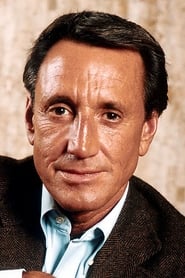
Joe Gideon
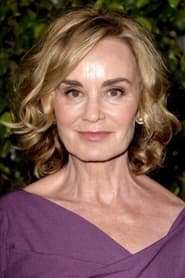
Angelique

Kate Jagger
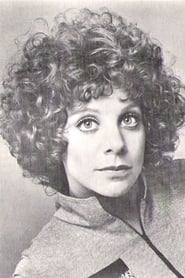
Audrey Paris
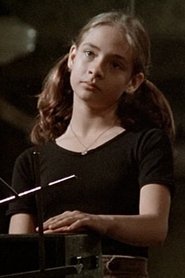
Michelle Gideon

O'Connor Flood

Paul Klein
Main Cast & Characters
Joe Gideon
Played by Roy Scheider
A brilliant but self-destructive choreographer and director juggling multiple shows, relationships, and addictions while confronting his mortality.
Angelique
Played by Jessica Lange
A mysterious, ethereal figure in white who appears to Joe in hallucinatory sequences, representing death and acceptance.
Kate Jagger
Played by Ann Reinking
Joe's ex-wife and dance collaborator who maintains a complicated but caring relationship with him despite their divorce.
Audrey Paris
Played by Leland Palmer
Joe's girlfriend and lead performer in his show, struggling with his infidelity and self-destructive behavior.
Michelle Gideon
Played by Erzsebet Foldi
Joe's young daughter who loves him deeply but witnesses his flaws and deterioration.
O'Connor Flood
Played by Cliff Gorman
A stand-up comedian whose act Joe is editing, representing the raw material Joe shapes into art.
Paul Klein
Played by John Lithgow
A television executive and producer overseeing Joe's comedy special, concerned about budget and deadlines.
Structural Analysis
The Status Quo at 1 minutes (1% through the runtime) establishes Joe Gideon begins his daily ritual: eyedrops, Dexedrine, Vivaldi, and "It's showtime, folks!" - a controlled, compartmentalized life driven by work, women, and self-medication.. Significantly, this early placement immediately immerses viewers in the story world.
The inciting incident occurs at 15 minutes when Joe experiences chest pains and physical warning signs during rehearsals, but dismisses them. His doctor warns him about his health, but Joe continues his destructive patterns, setting the collision course.. At 12% through the film, this Disruption aligns precisely with traditional story structure. This beat shifts the emotional landscape, launching the protagonist into the central conflict.
The First Threshold at 31 minutes marks the transition into Act II, occurring at 25% of the runtime. This reveals the protagonist's commitment to Joe fully commits to opening the show despite all warnings, choosing his work over his health. He pushes through rehearsals with increasing intensity, fully entering the self-destructive path of "the show must go on."., moving from reaction to action.
At 62 minutes, the Midpoint arrives at 50% of the runtime—precisely centered, creating perfect narrative symmetry. Notably, this crucial beat Joe suffers a major heart attack and is hospitalized. False defeat: everything seems lost - the show, his film, his life. The pace that sustained him has literally broken his heart., fundamentally raising what's at risk. The emotional intensity shifts, dividing the narrative into clear before-and-after phases.
The Collapse moment at 93 minutes (76% through) represents the emotional nadir. Here, Joe suffers complete heart failure. Medical team rushes to save him as he flatlines. The ultimate "whiff of death" - actual death arriving. Angelique tells him: "You're on in five."., shows the protagonist at their lowest point. This beat's placement in the final quarter sets up the climactic reversal.
The Second Threshold at 99 minutes initiates the final act resolution at 80% of the runtime. Joe accepts his death and chooses to go out performing. He orchestrates his final number "Bye Bye Love" - controlling his exit the only way he knows how, turning his death into showbiz., demonstrating the transformation achieved throughout the journey.
Emotional Journey
All That Jazz's emotional architecture traces a deliberate progression across 15 carefully calibrated beats.
Narrative Framework
This structural analysis employs systematic plot point analysis that identifies crucial turning points. By mapping All That Jazz against these established plot points, we can identify how Bob Fosse utilizes or subverts traditional narrative conventions. The plot point approach reveals not only adherence to structural principles but also creative choices that distinguish All That Jazz within the drama genre.
Bob Fosse's Structural Approach
Among the 3 Bob Fosse films analyzed on Arcplot, the average structural score is 6.7, demonstrating varied approaches to story architecture. All That Jazz represents one of the director's most structurally precise works. For comparative analysis, explore the complete Bob Fosse filmography.
Comparative Analysis
Additional drama films include After Thomas, South Pacific and Dirty Dancing: Havana Nights. For more Bob Fosse analyses, see Cabaret, Star 80.
Plot Points by Act
Act I
SetupStatus Quo
Joe Gideon begins his daily ritual: eyedrops, Dexedrine, Vivaldi, and "It's showtime, folks!" - a controlled, compartmentalized life driven by work, women, and self-medication.
Theme
Angelique (the Angel of Death figure) asks Joe during their first fantasy sequence: "When are you going to stop all this work?" The film's central question about obsession, mortality, and what we sacrifice for art.
Worldbuilding
Joe's fragmented world: juggling his Broadway show "NY/LA", editing his film "The Standup", affairs with multiple women, a strained relationship with ex-wife Audrey and daughter Michelle, chain-smoking, and the toll of his lifestyle evident in chest pains.
Disruption
Joe experiences chest pains and physical warning signs during rehearsals, but dismisses them. His doctor warns him about his health, but Joe continues his destructive patterns, setting the collision course.
Resistance
Joe debates whether to change, resisting concerns from Audrey, his girlfriend Katie, and his own body. He continues rehearsals, editing, affairs, and medication while the show backers pressure him and his health deteriorates.
Act II
ConfrontationFirst Threshold
Joe fully commits to opening the show despite all warnings, choosing his work over his health. He pushes through rehearsals with increasing intensity, fully entering the self-destructive path of "the show must go on."
Mirror World
Michelle, Joe's daughter, performs "Everything Old is New Again" - representing innocence, genuine talent without corruption, and the pure love of performance that Joe has lost. She is what he could have been.
Premise
The "promise of the premise" - spectacular musical numbers, creative editing sessions, sexual encounters, rehearsal breakthroughs. Joe operates at peak manic creativity, delivering dazzling work while personally unraveling through pills, alcohol, and infidelity.
Midpoint
Joe suffers a major heart attack and is hospitalized. False defeat: everything seems lost - the show, his film, his life. The pace that sustained him has literally broken his heart.
Opposition
Joe battles recovery in the hospital, hallucinating elaborate musical numbers with Angelique. His relationships fracture as Katie, Audrey, and Victoria confront him. The show is postponed. His film gets re-cut. Death closes in as his body fails.
Collapse
Joe suffers complete heart failure. Medical team rushes to save him as he flatlines. The ultimate "whiff of death" - actual death arriving. Angelique tells him: "You're on in five."
Crisis
Joe confronts his life in hallucinated therapy sessions and memories, admitting his failings to the women he hurt. Dark night of the soul as he processes that his obsession destroyed everything he loved.
Act III
ResolutionSecond Threshold
Joe accepts his death and chooses to go out performing. He orchestrates his final number "Bye Bye Love" - controlling his exit the only way he knows how, turning his death into showbiz.
Synthesis
Joe performs his final spectacular musical number in hallucination, surrounded by everyone from his life. A dazzling finale that is simultaneously celebration and condemnation - art and death intertwined. He's zipped into a body bag while taking bows.
Transformation
Joe is zipped into a body bag, giving a final smile and "Bye bye" wave. The showman performs even his own death. No redemption, no change - just the ultimate curtain call for a man who gave everything to performance and paid with his life.