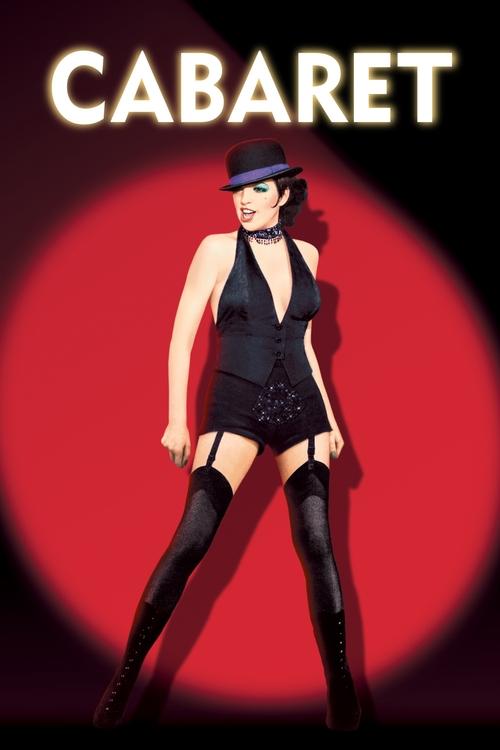
Cabaret
Inside the Kit Kat Club of 1931 Berlin, starry-eyed singer Sally Bowles and an impish emcee sound the clarion call to decadent fun, while outside a certain political party grows into a brutal force.
Despite its limited budget of $4.6M, Cabaret became a massive hit, earning $42.8M worldwide—a remarkable 830% return. The film's compelling narrative found its audience, showing that strong storytelling can transcend budget limitations.
8 Oscars. 35 wins & 17 nominations


Plot Structure
Story beats plotted across runtime


Narrative Arc
Emotional journey through the story's key moments
Story Circle
Blueprint 15-beat structure
Arcplot Score Breakdown
Weighted: Precision (70%) + Arc (15%) + Theme (15%)
Cabaret (1972) reveals deliberately positioned dramatic framework, characteristic of Bob Fosse's storytelling approach. This structural analysis examines how the film's 15-point plot structure maps to proven narrative frameworks across 2 hours and 4 minutes. With an Arcplot score of 6.3, the film takes an unconventional approach to traditional narrative frameworks.
Characters
Cast & narrative archetypes

Sally Bowles
Brian Roberts
Master of Ceremonies
Maximilian von Heune
Fritz Wendel
Natalia Landauer
Fraulein Schneider
Herr Schultz
Main Cast & Characters
Sally Bowles
Played by Liza Minnelli
A carefree English cabaret singer at the Kit Kat Klub in Berlin, living for pleasure while ignoring the rise of Nazism.
Brian Roberts
Played by Michael York
A reserved British academic who comes to Berlin to teach English and begins a relationship with Sally.
Master of Ceremonies
Played by Joel Grey
The enigmatic, androgynous emcee of the Kit Kat Klub who guides the audience through the cabaret performances.
Maximilian von Heune
Played by Helmut Griem
A wealthy, charismatic playboy who seduces both Sally and Brian into a brief love triangle.
Fritz Wendel
Played by Fritz Wepper
A German Jew who hides his heritage and pursues a relationship with the wealthy Natalia Landauer.
Natalia Landauer
Played by Marisa Berenson
A wealthy Jewish heiress who falls in love with Fritz and must confront the dangers of Nazi Germany.
Fraulein Schneider
Played by Elisabeth Neumann-Viertel
The pragmatic landlady of the boarding house who must choose between love and survival.
Herr Schultz
Played by Sigrid von Richthofen
A kind Jewish fruit shop owner who romances Fraulein Schneider until Nazi pressure intervenes.
Structural Analysis
The Status Quo at 1 minutes (1% through the runtime) establishes The Kit Kat Klub stage: the Emcee welcomes us to Berlin, 1931. Sally Bowles performs "Mein Herr" in glittering decadence, establishing the hedonistic, willfully blind world of Weimar cabaret culture before the storm.. Notably, this early placement immediately immerses viewers in the story world.
The inciting incident occurs at 15 minutes when Sally Bowles abruptly moves into Brian's room, fleeing her previous arrangement. She bursts into his orderly life with chaos, champagne, and sexual freedom, disrupting his reserved academic existence.. At 12% through the film, this Disruption aligns precisely with traditional story structure. This beat shifts the emotional landscape, launching the protagonist into the central conflict.
The First Threshold at 31 minutes marks the transition into Act II, occurring at 25% of the runtime. This illustrates the protagonist's commitment to Brian and Sally consummate their relationship. Brian makes the active choice to abandon his inhibitions and embrace both Sally and the intoxicating Berlin lifestyle, entering the emotional and moral "mirror world" of cabaret hedonism., moving from reaction to action.
At 63 minutes, the Midpoint arrives at 50% of the runtime—precisely centered, creating perfect narrative symmetry. The analysis reveals that this crucial beat The beer garden scene: a beautiful blond youth sings "Tomorrow Belongs to Me," revealing himself as a Nazi. The camera pulls back to show nearly everyone joining in. The false victory of hedonism cracks - the coming darkness can no longer be ignored. Sally's face shows dawning horror., fundamentally raising what's at risk. The emotional intensity shifts, dividing the narrative into clear before-and-after phases.
The Collapse moment at 93 minutes (75% through) represents the emotional nadir. Here, Sally has an abortion, killing both the baby and the dream of escape with Brian. She chooses the cabaret over reality, over love, over life itself. The "whiff of death" is literal (the abortion) and metaphorical (the death of hope and future)., shows the protagonist at their lowest point. This beat's placement in the final quarter sets up the climactic reversal.
The Second Threshold at 100 minutes initiates the final act resolution at 80% of the runtime. Brian makes his final plea for Sally to leave with him, offering reality and love. Sally refuses, choosing the stage over survival. Brian accepts he cannot save her and must save himself. The synthesis is tragic: understanding that some people choose beautiful lies even unto death., demonstrating the transformation achieved throughout the journey.
Emotional Journey
Cabaret's emotional architecture traces a deliberate progression across 15 carefully calibrated beats.
Narrative Framework
This structural analysis employs a 15-point narrative structure framework that maps key story moments. By mapping Cabaret against these established plot points, we can identify how Bob Fosse utilizes or subverts traditional narrative conventions. The plot point approach reveals not only adherence to structural principles but also creative choices that distinguish Cabaret within the music genre.
Bob Fosse's Structural Approach
Among the 3 Bob Fosse films analyzed on Arcplot, the average structural score is 6.7, demonstrating varied approaches to story architecture. Cabaret takes a more unconventional approach compared to the director's typical style. For comparative analysis, explore the complete Bob Fosse filmography.
Comparative Analysis
Additional music films include South Pacific, Dirty Dancing: Havana Nights and Yesterday. For more Bob Fosse analyses, see All That Jazz, Star 80.
Plot Points by Act
Act I
SetupStatus Quo
The Kit Kat Klub stage: the Emcee welcomes us to Berlin, 1931. Sally Bowles performs "Mein Herr" in glittering decadence, establishing the hedonistic, willfully blind world of Weimar cabaret culture before the storm.
Theme
The Emcee's performance of "Willkommen" articulates the theme: life is a cabaret - choose pleasure and performance over confronting harsh reality. "Leave your troubles outside. In here, life is beautiful."
Worldbuilding
Brian Roberts arrives in Berlin as an English tutor, meets his landlady Fräulein Schneider, and is introduced to the Kit Kat Klub by Sally Bowles. We see the contrast between the decadent nightlife and rising Nazi presence in the streets.
Disruption
Sally Bowles abruptly moves into Brian's room, fleeing her previous arrangement. She bursts into his orderly life with chaos, champagne, and sexual freedom, disrupting his reserved academic existence.
Resistance
Brian resists Sally's advances and lifestyle while they develop an unconventional friendship. Sally teaches Brian to embrace pleasure and spontaneity. Meanwhile, Fräulein Schneider begins a romance with Jewish fruit seller Herr Schultz as Nazi presence grows.
Act II
ConfrontationFirst Threshold
Brian and Sally consummate their relationship. Brian makes the active choice to abandon his inhibitions and embrace both Sally and the intoxicating Berlin lifestyle, entering the emotional and moral "mirror world" of cabaret hedonism.
Mirror World
Maximilian von Heune, a wealthy German playboy, enters their lives and begins a flirtation with both Sally and Brian. He represents the seductive glamour of willful ignorance - the thematic mirror showing what happens when you choose beautiful lies over ugly truths.
Premise
The trio embarks on a decadent affair. Sally performs at the cabaret, Brian tutors, and Max lavishes them with gifts and glamorous outings. They party, drink, and deliberately ignore the increasingly ominous Nazi activity. This is the "promise of the premise" - life as a beautiful, irresponsible cabaret.
Midpoint
The beer garden scene: a beautiful blond youth sings "Tomorrow Belongs to Me," revealing himself as a Nazi. The camera pulls back to show nearly everyone joining in. The false victory of hedonism cracks - the coming darkness can no longer be ignored. Sally's face shows dawning horror.
Opposition
Reality closes in from all sides. Max abandons them after sleeping with both. Sally reveals she's pregnant. Fräulein Schneider's engagement to Herr Schultz is destroyed by Nazi pressure. Brian is beaten by Nazi thugs. The cabaret world can't protect anyone anymore.
Collapse
Sally has an abortion, killing both the baby and the dream of escape with Brian. She chooses the cabaret over reality, over love, over life itself. The "whiff of death" is literal (the abortion) and metaphorical (the death of hope and future).
Crisis
Brian processes the loss, packs to return to England alone. Sally retreats deeper into performance and denial. Fräulein Schneider sings "What Would You Do?" - a haunting acknowledgment that survival sometimes means moral compromise. Everyone faces their dark night.
Act III
ResolutionSecond Threshold
Brian makes his final plea for Sally to leave with him, offering reality and love. Sally refuses, choosing the stage over survival. Brian accepts he cannot save her and must save himself. The synthesis is tragic: understanding that some people choose beautiful lies even unto death.
Synthesis
Sally performs "Cabaret" - a defiant, desperate anthem of willful blindness. Brian departs Berlin by train. The cabaret continues performing as Nazi officers fill the audience. The world outside has already been lost, but the show must go on.
Transformation
The final shot mirrors the opening: the Emcee on stage, but now reflected in distorted carnival mirrors. The audience is revealed to be Nazi officers and brownshirts. The cabaret hasn't changed, but we now see it clearly - complicity dressed as entertainment, death dressed as life.