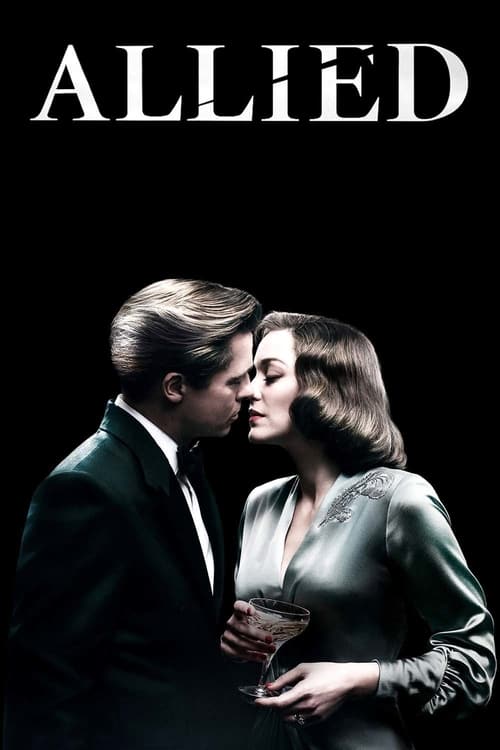
Allied
In 1942, an intelligence officer in North Africa encounters a female French Resistance fighter on a deadly mission behind enemy lines. When they reunite in London, their relationship is tested by the pressures of war.
Working with a considerable budget of $106.0M, the film achieved a modest success with $119.5M in global revenue (+13% profit margin).
Nominated for 1 Oscar. 1 win & 10 nominations


Plot Structure
Story beats plotted across runtime


Narrative Arc
Emotional journey through the story's key moments
Story Circle
Blueprint 15-beat structure
Arcplot Score Breakdown
Weighted: Precision (70%) + Arc (15%) + Theme (15%)
Allied (2016) demonstrates meticulously timed plot construction, characteristic of Robert Zemeckis's storytelling approach. This structural analysis examines how the film's 15-point plot structure maps to proven narrative frameworks across 2 hours and 4 minutes. With an Arcplot score of 7.3, the film balances conventional beats with creative variation.
Characters
Cast & narrative archetypes

Max Vatan
Marianne Beausejour
Frank Heslop
Bridget Vatan
Guy Sangster
Main Cast & Characters
Max Vatan
Played by Brad Pitt
A Canadian intelligence officer who falls in love during a dangerous mission in Casablanca, only to face devastating doubts about his wife's loyalty.
Marianne Beausejour
Played by Marion Cotillard
A French Resistance fighter who partners with Max on a mission and becomes his wife, later suspected of being a German spy.
Frank Heslop
Played by Jared Harris
Max's superior officer and friend who delivers the devastating news about Marianne and monitors the investigation.
Bridget Vatan
Played by Lizzy Caplan
Max's lesbian sister who is a pilot and provides emotional support during his crisis.
Guy Sangster
Played by Matthew Goode
A British intelligence operative who helps run the test to determine Marianne's loyalty.
Structural Analysis
The Status Quo at 1 minutes (1% through the runtime) establishes Max Vatan parachutes into the Moroccan desert in 1942, a Canadian intelligence officer arriving alone for a dangerous mission. The stark, isolated landscape establishes him as a solitary operative in a world of deception.. The analysis reveals that this early placement immediately immerses viewers in the story world.
The inciting incident occurs at 14 minutes when During a sandstorm in their car, Max and Marianne make love—crossing from professional partners to genuine intimacy. This unexpected emotional connection disrupts the mission's clinical nature and Max's emotional isolation.. At 12% through the film, this Disruption aligns precisely with traditional story structure. This beat shifts the emotional landscape, launching the protagonist into the central conflict.
The First Threshold at 31 minutes marks the transition into Act II, occurring at 25% of the runtime. This illustrates the protagonist's commitment to Marianne arrives in London and marries Max. He makes the active choice to build a life with her, transitioning from the world of temporary deception to permanent commitment. They enter married life together., moving from reaction to action.
At 62 minutes, the Midpoint arrives at 50% of the runtime—precisely centered, creating perfect narrative symmetry. The analysis reveals that this crucial beat Max's superior Frank Heslop reveals that Marianne may be a German spy who killed and replaced the real Marianne Beauséjour. Max must run a secret test to prove her guilt or innocence. The perfect marriage becomes a potential lie—false defeat., fundamentally raising what's at risk. The emotional intensity shifts, dividing the narrative into clear before-and-after phases.
The Collapse moment at 92 minutes (74% through) represents the emotional nadir. Here, The planted information is leaked to the Germans—proof that Marianne is a spy. Max's worst fear is confirmed. His entire marriage, his daughter's mother, the woman he loves—all built on a lie. His world dies., demonstrates the protagonist at their lowest point. This beat's placement in the final quarter sets up the climactic reversal.
The Second Threshold at 99 minutes initiates the final act resolution at 80% of the runtime. Max chooses love over duty—he decides to escape with Marianne and their daughter to France. He synthesizes his identity as both spy and husband, attempting to use his skills to save his family rather than serve the mission., demonstrating the transformation achieved throughout the journey.
Emotional Journey
Allied's emotional architecture traces a deliberate progression across 15 carefully calibrated beats.
Narrative Framework
This structural analysis employs a 15-point narrative structure framework that maps key story moments. By mapping Allied against these established plot points, we can identify how Robert Zemeckis utilizes or subverts traditional narrative conventions. The plot point approach reveals not only adherence to structural principles but also creative choices that distinguish Allied within the action genre.
Robert Zemeckis's Structural Approach
Among the 20 Robert Zemeckis films analyzed on Arcplot, the average structural score is 6.9, demonstrating varied approaches to story architecture. Allied represents one of the director's most structurally precise works. For comparative analysis, explore the complete Robert Zemeckis filmography.
Comparative Analysis
Additional action films include The Bad Guys, Puss in Boots and Venom: The Last Dance. For more Robert Zemeckis analyses, see Who Framed Roger Rabbit, Beowulf and Welcome to Marwen.
Plot Points by Act
Act I
SetupStatus Quo
Max Vatan parachutes into the Moroccan desert in 1942, a Canadian intelligence officer arriving alone for a dangerous mission. The stark, isolated landscape establishes him as a solitary operative in a world of deception.
Theme
Marianne Beauséjour tells Max: "In this job, feelings get people killed." The thematic question is established: Can love survive in a world built on lies? Can trust exist between spies?
Worldbuilding
Max and Marianne pose as husband and wife in Casablanca to assassinate a German ambassador. We see their world: espionage, false identities, constant danger, and the necessity of performance over authenticity.
Disruption
During a sandstorm in their car, Max and Marianne make love—crossing from professional partners to genuine intimacy. This unexpected emotional connection disrupts the mission's clinical nature and Max's emotional isolation.
Resistance
Max and Marianne complete their assassination mission successfully. He asks her to come to London with him. She hesitates, debating whether to continue their relationship outside the false world they've created. The mission ends; real life looms.
Act II
ConfrontationFirst Threshold
Marianne arrives in London and marries Max. He makes the active choice to build a life with her, transitioning from the world of temporary deception to permanent commitment. They enter married life together.
Mirror World
Marianne gives birth to their daughter during a bombing raid, refusing to go to the shelter. This relationship—their family—becomes the thematic mirror that will test whether love can be real when it began as performance.
Premise
Max and Marianne live as a married couple in wartime London. They navigate air raids, raise their daughter, and build a domestic life. The premise: a spy couple trying to have a normal marriage. But suspicion lurks beneath the surface.
Midpoint
Max's superior Frank Heslop reveals that Marianne may be a German spy who killed and replaced the real Marianne Beauséjour. Max must run a secret test to prove her guilt or innocence. The perfect marriage becomes a potential lie—false defeat.
Opposition
Max investigates Marianne while maintaining the facade of normalcy. He plants false information to test her. The pressure intensifies as he uncovers evidence suggesting she might be guilty. His love and duty are in direct conflict.
Collapse
The planted information is leaked to the Germans—proof that Marianne is a spy. Max's worst fear is confirmed. His entire marriage, his daughter's mother, the woman he loves—all built on a lie. His world dies.
Crisis
Max confronts Marianne. She confesses the truth: she is a German spy, but her love for him and their daughter is real. Max faces an impossible choice between duty and love, law and family, truth and mercy.
Act III
ResolutionSecond Threshold
Max chooses love over duty—he decides to escape with Marianne and their daughter to France. He synthesizes his identity as both spy and husband, attempting to use his skills to save his family rather than serve the mission.
Synthesis
Max executes an escape plan, forging documents and arranging transport. But Marianne, knowing they'll never be free and Max will be destroyed, makes her own choice. She shoots herself, leaving a letter affirming her love was real. Max is found with the gun.
Transformation
Max reads Marianne's letter to their daughter: her love was real even if her identity was false. The final image shows Max transformed—he now understands that love and truth can coexist even in a world of lies, though at devastating cost.